
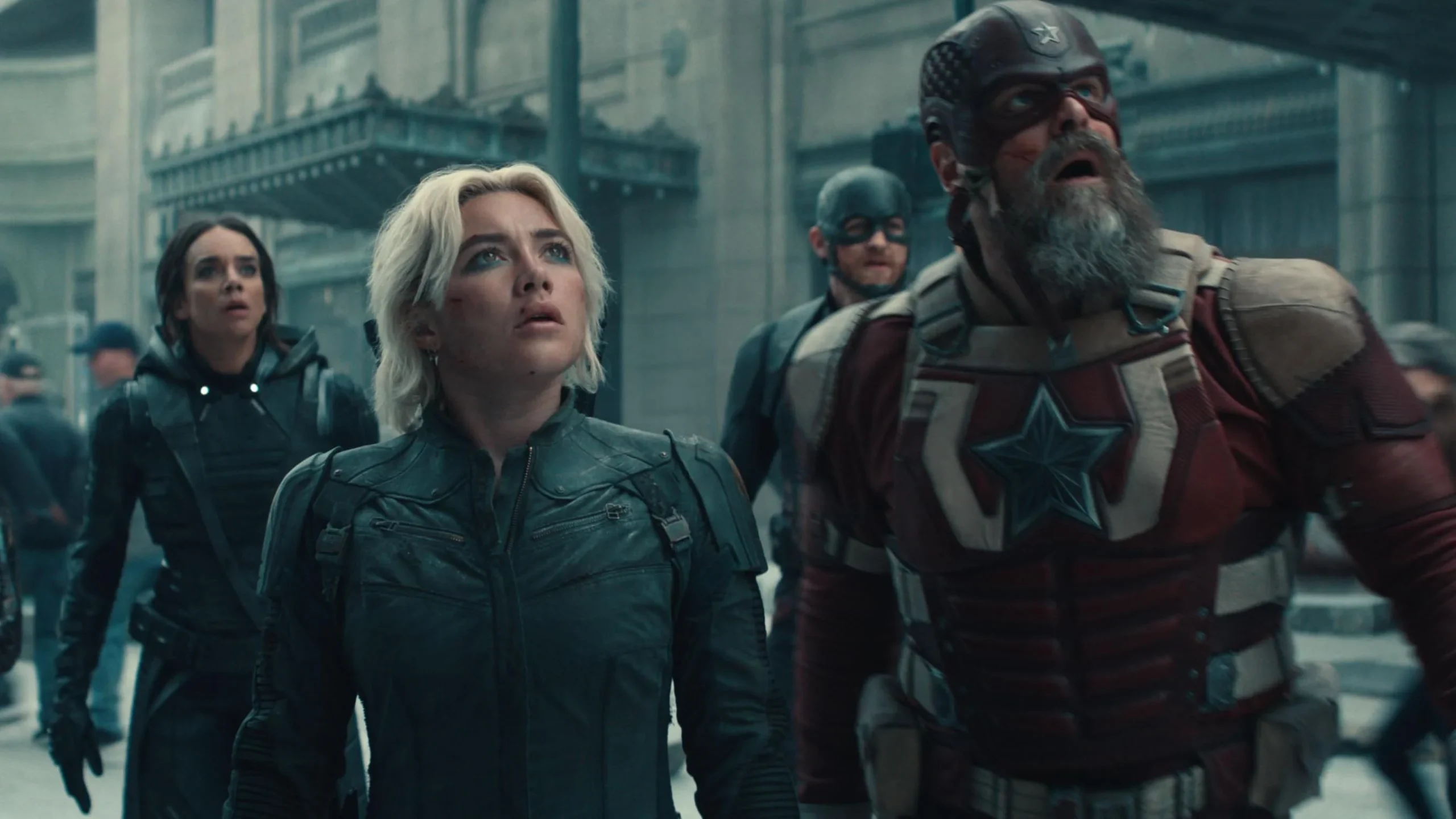

Parents often pause when a new Marvel title arrives and wonder whether it fits comfortably within family viewing. Thunderbolts (2025) features characters who are already known from darker corners of the Marvel universe, which naturally raises questions about tone and intensity. While the film still operates within the familiar superhero format, its focus on morally complicated characters and more serious themes means that some parts may land differently for younger viewers.
Considering Thunderbolts (2025) as a Marvel movie kids might want to watch
Many children who enjoy Marvel stories are drawn to superhero teams, fast action, and recognizable characters. Thunderbolts (2025) presents a team made up of individuals who have previously appeared in other Marvel stories, including characters connected to espionage, government missions, and morally gray decisions. The basic setup—bringing together a group of powerful or skilled fighters to work on a dangerous mission—resembles the structure of other ensemble Marvel films.
From a child’s perspective, much of the movie still looks like a traditional superhero adventure. There are action sequences, team interactions, and moments of humor between characters who do not always trust each other. The visual style also follows the Marvel pattern of large set pieces and dramatic confrontations.
However, the difference lies in the personalities leading the story. Unlike heroes who are clearly noble or idealistic, the Thunderbolts team is made up of characters who have questionable pasts or complicated motivations. Younger children may not fully understand the background of these characters, while older kids who have seen earlier Marvel entries might recognize them immediately.
The darker team of antiheroes in Thunderbolts and how their story tone differs from typical Marvel adventures
One of the main elements that affects suitability for children is the nature of the team itself. The Thunderbolts are not traditional superheroes. Instead, the group includes antiheroes and former villains who are brought together to complete missions that other heroes might refuse.
Because of this, the tone can feel more serious than some lighter Marvel films. Characters often argue about trust, loyalty, and whether their actions are justified. Instead of clear-cut good-versus-evil conflicts, the story explores situations where characters must make difficult decisions.
Children who are used to straightforward hero stories may find this moral complexity harder to follow. Some characters act selfishly or make choices that are not presented as heroic in the traditional sense. For younger viewers, these gray areas can be confusing because the film does not always present a simple message about right and wrong.
At the same time, older children and teenagers may find the characters interesting precisely because they are flawed. The story often focuses on whether people with troubled pasts can change or work together for a larger purpose.
How intense the action scenes and combat moments feel compared with other MCU films
Action is a major part of Thunderbolts (2025), and the film includes several sequences involving combat, weapons, and large-scale confrontations. These scenes follow the typical Marvel pattern of choreographed fights, explosions, and physical battles between powerful characters.
Compared with some of the more family-oriented entries in the Marvel universe, the tone of these action scenes can feel slightly heavier. The characters involved often rely on military-style tactics, firearms, or covert operations rather than purely fantastical powers.
Visually, the film still avoids graphic violence, which is consistent with most Marvel productions. However, the context of the action may feel more serious. Missions often involve dangerous objectives, government control, or situations where characters are forced into risky confrontations.
Younger children may still enjoy the spectacle of the fights, but some moments may feel more intense than the lighter, colorful battles found in certain superhero films. The stakes of the missions are sometimes presented in a more grounded or threatening way.
The kind of humor and character banter kids are likely to notice or enjoy
Despite the darker tone of the team, the film still includes humor. Much of it comes from the personalities clashing within the group. Since the Thunderbolts are not natural allies, their conversations often involve sarcasm, teasing, and reluctant cooperation.
Children who enjoy character banter may respond well to these moments. The humor tends to come from awkward situations, rivalries, or the frustration of characters who are forced to work together even though they do not trust each other.
Some jokes may rely on references to earlier Marvel stories or the characters’ past actions. Younger viewers who have not seen those earlier appearances might miss some of the context, but the basic comedic exchanges are usually easy to follow.
Overall, the humor serves as a break from the more serious parts of the story. It helps balance the darker themes and keeps the tone from becoming too heavy for extended periods.
Themes about redemption, loyalty, and morally complicated heroes that younger viewers may need help understanding
Beyond the action, Thunderbolts (2025) revolves around themes that are slightly more complex than those in many superhero stories. The characters are individuals with troubled histories, and the narrative frequently raises the question of whether they deserve a second chance.
The idea of redemption appears repeatedly throughout the film. Characters who once acted as villains are placed in situations where they must decide whether to act selfishly or support the team. Their choices often affect not only the mission but also the trust between them.
For younger viewers, these themes may require some explanation. Children who prefer clear heroes and villains may find it confusing when a character behaves both heroically and selfishly at different moments.
Older kids, particularly those who enjoy character-driven stories, may find these emotional conflicts interesting. The film spends time showing how the characters struggle with their past decisions and whether they can change.
Scenes or emotional moments that could feel tense or unsettling for sensitive kids
Some parts of the movie rely on emotional tension rather than action. Characters sometimes confront their past mistakes, deal with pressure from authority figures, or question whether they can trust the people around them.
These moments are not frightening in a traditional sense, but they can feel intense. The story occasionally places characters in situations where failure would have serious consequences. The mood during these scenes may feel heavy or serious compared with lighter superhero films.
Sensitive children may also react to the darker emotional tone. Certain scenes emphasize isolation, guilt, or mistrust within the group. The film does not always resolve these feelings quickly, which can create a lingering sense of tension.
For many viewers, these elements add depth to the story. However, they may feel emotionally heavier for younger children who prefer more straightforward adventure stories.
Why older kids and teens who already follow the Marvel universe may enjoy the characters and story
Children who are already familiar with the Marvel universe may recognize several members of the Thunderbolts team. These characters have appeared in earlier films or series, often in roles connected to espionage or morally complicated missions.
Because of that background, older kids and teenagers who have followed previous Marvel entries may find the story easier to understand. They may already know the personalities and past actions of certain characters, which makes the group dynamic more interesting.
The film also builds on the idea that people with different motivations must cooperate to face a common threat. For viewers who enjoy team-based superhero stories, watching characters with conflicting personalities learn to work together can be engaging.
Teenagers in particular may connect with the film’s focus on identity and redemption. The characters often struggle with how others see them and whether they can change their reputation.
Where Thunderbolts (2025) tends to land best in terms of age suitability for younger viewers
When considering tone, action intensity, and the emotional themes involved, Thunderbolts (2025) generally works best for viewers who are old enough to understand morally complex characters and slightly darker superhero stories. The action scenes are frequent but not graphic, and the film avoids extreme violence, yet the missions, weapons, and serious tone may feel heavier than the lightest Marvel entries.
Children who are very young may enjoy the action but struggle with the motivations behind the characters or the more serious emotional moments. Some parts of the story rely on understanding why the team members distrust each other and how their past actions shape their decisions.
A practical viewing recommendation for this film is around 12+. At that age, most kids can follow the complex team dynamics, handle the tense mission scenarios, and understand the themes about redemption and loyalty. Younger children may still watch with guidance, but some may find the darker tone confusing or emotionally intense compared with more lighthearted superhero adventures.
