
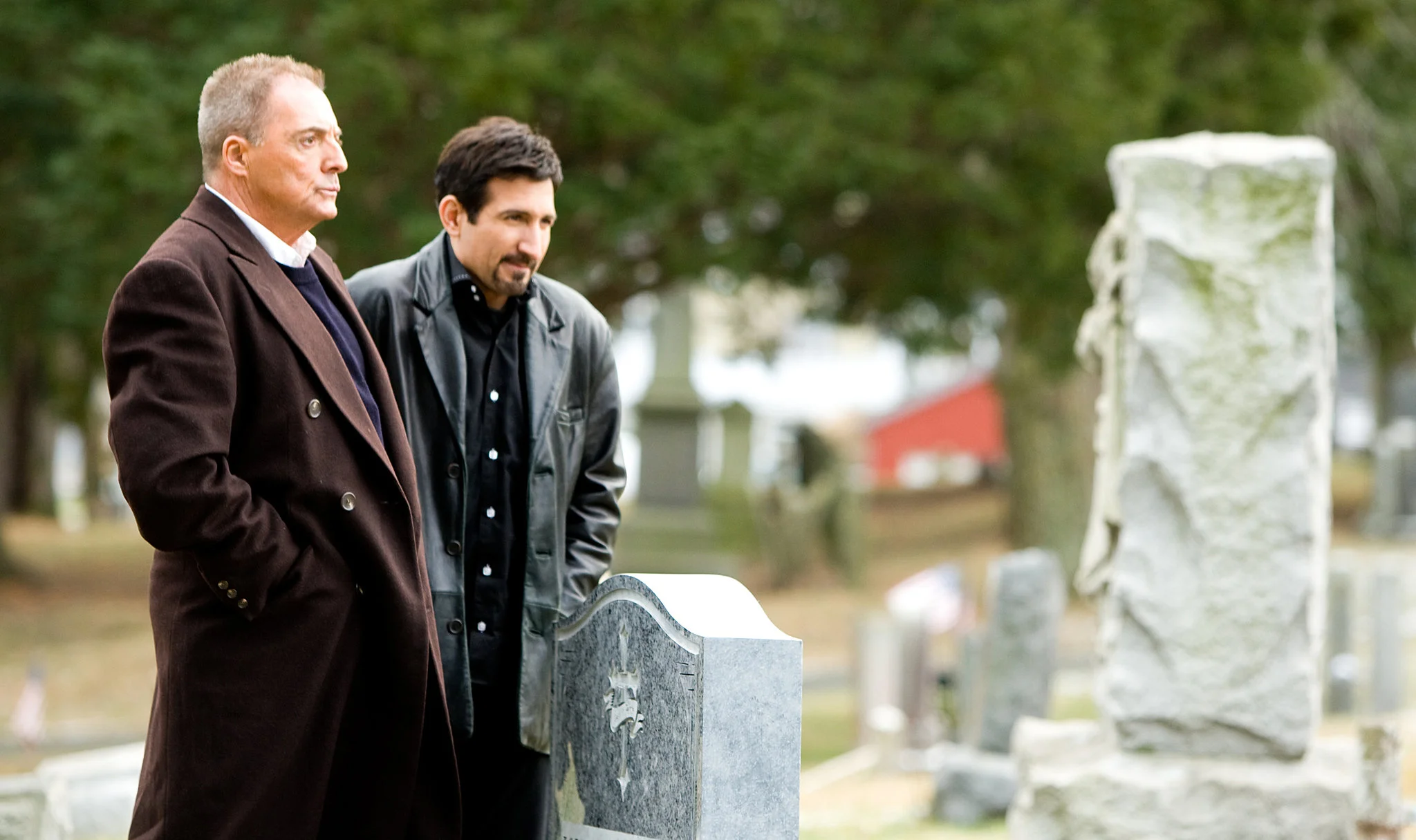

The closing stretch of Once Upon a Time in Brooklyn shifts from tense maneuvering to sudden, irreversible violence, leaving several characters’ fates hanging in the balance until the last minutes.
Loyalties that seemed stable throughout the story fracture under pressure, and the consequences unfold quickly. The quiet final images contrast sharply with the chaos that precedes them, prompting questions about what the outcome really means for the man at the center of it all.
The Shootout at the Nightclub That Decides the Fate of Bobby and the Crew
The climax erupts inside a nightclub where Bobby and several members of the criminal organization converge after a series of betrayals. What begins as a tense meeting quickly devolves into violence when hidden weapons are drawn and accusations surface. Gunfire spreads across the crowded room, forcing patrons to flee while the rival factions target each other at close range.
Bobby fights his way through the chaos, using the environment for cover and focusing on key adversaries rather than indiscriminate shooting. The confrontation eliminates much of the leadership structure that had controlled operations in the area. This moment effectively ends the old power balance in Brooklyn’s underworld, leaving a vacuum that cannot be easily filled.
Why Bobby Turns Against His Former Allies in the Final Confrontation
During the shootout, Bobby deliberately targets individuals who had previously been allies. Earlier in the story, he had discovered that members of his own circle were manipulating events for personal gain, including attempts to eliminate him once he was no longer useful. Faced with the choice between submission and survival, he acts decisively.
His actions are not portrayed as sudden impulsiveness but as the culmination of mounting distrust. By the time the nightclub meeting occurs, Bobby understands that reconciliation is impossible. Turning against them becomes a defensive move rather than a strategic power grab, underscoring that the criminal world he inhabited allows no neutral position once betrayal is exposed.
The Role of Father Moretti in Triggering the Last Chain of Events
Father Moretti’s involvement becomes crucial shortly before the confrontation. He provides Bobby with information that confirms the depth of the conspiracy against him and warns that the meeting is likely a trap. This revelation prompts Bobby to prepare for violence rather than negotiation.
Although the priest does not participate directly in the shootout, his intervention alters the outcome by ensuring Bobby is not caught off guard. His role reflects the moral tension present throughout the story: a religious figure attempting to prevent bloodshed yet inadvertently contributing to it by revealing the truth. Without this warning, Bobby might have entered the nightclub unarmed and vulnerable.
Who Survives the Violence and Who Pays the Ultimate Price
When the gunfire subsides, several major figures lie dead or critically wounded, including leaders who had dominated the organization. Bobby survives, though injured, having eliminated the most immediate threats to his life. Some secondary characters escape the scene, suggesting that remnants of the network will persist even after the leadership collapse.
The losses are not framed as a clean victory. Allies as well as enemies fall, emphasizing the indiscriminate cost of the confrontation. The absence of a triumphant aftermath reinforces the idea that survival itself is the only attainable outcome, not success in any conventional sense.
What the Police Intervention Means for the Criminal Network in Brooklyn
Police sirens approach as the shootout concludes, and officers quickly secure the area. Survivors are either apprehended or scatter before the perimeter tightens. Authorities begin cataloging weapons and bodies, signaling the end of the operation that had allowed the criminal enterprise to function with relative impunity.
The intervention does not suggest that law enforcement has dismantled organized crime entirely. Instead, it indicates that the visible structure has collapsed, forcing whatever remains underground. The sudden presence of police also prevents Bobby from consolidating power even if he had intended to, leaving the future of the network uncertain.
Bobby’s Emotional State After the Bloodshed Settles
In the immediate aftermath, Bobby shows little outward celebration or relief. He appears exhausted and disoriented, processing the scale of what has happened. His injuries and the sight of fallen acquaintances reinforce that survival came at a significant personal cost.
This subdued reaction contrasts with earlier scenes where ambition or anger drove his actions. The quiet demeanor suggests that the experience has stripped away any illusion of control or achievement. He has outlived the confrontation but lost the framework that once defined his identity.
The Final Scene’s Quiet Moment and What It Suggests About His Future
The film ends with Bobby alone, removed from the chaos of the nightclub. He sits in a calm setting, physically safe yet emotionally distant, with no indication that he intends to return to criminal life. There is no dialogue explaining his next step, only a prolonged moment that allows the audience to observe his isolation.
This closing image implies a break from the past rather than the start of a new reign. The absence of allies, enemies, or clear purpose suggests that survival has left him without direction. Rather than resolving his future, the film leaves it open, emphasizing that escaping the violent cycle does not automatically provide redemption or peace.
