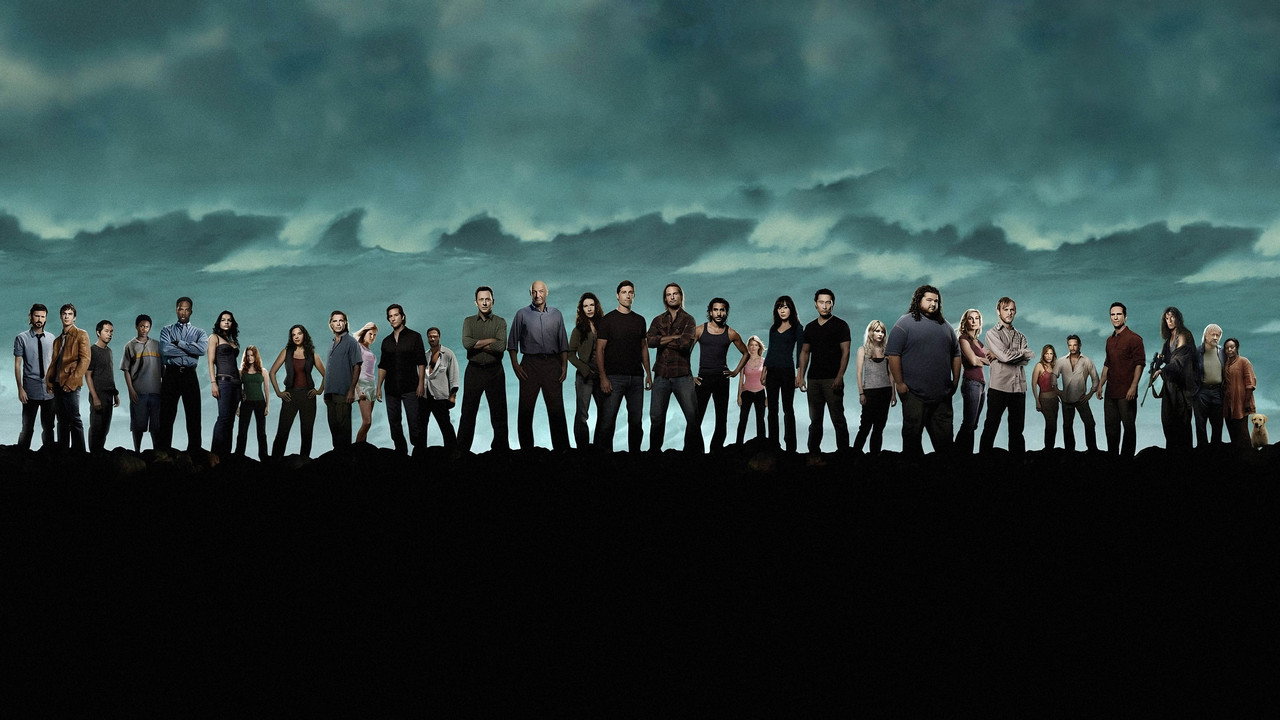

Lost spends six seasons building mysteries out of a plane crash, a hostile island, strange electromagnetic pockets, and a group of people who seem connected long before they ever met. By the time the final episodes arrive, the show is no longer just asking why the island behaves the way it does. It is asking how all of those mysteries fit together: which ones have concrete answers, which ones are part of the island’s larger mythology, and which ones are really about the characters’ need to find one another.
The ending works because it does not erase the show’s earlier questions, even if it changes the scale of what matters most. The final episodes connect the biggest mysteries of Lost by separating the island’s physical events from the emotional afterlife story in the finale, then bringing both strands together through Jack, Desmond, Hurley, Locke, Kate, Sawyer, and the others. The result is not a single tidy explanation for every phenomenon, but a framework that shows how the crash survivors’ lives, the island’s rules, and the series’ final images are all meant to echo each other.
The island’s biggest mystery was never just the crash
From the beginning, Lost framed the plane crash as the starting point rather than the whole puzzle. The survivors quickly discover that the island is unlike any other place they have known: there is a hatch, a smoke monster, a hidden underground research network, and evidence that other people have been there for years. The final episodes make clear that these details were never random obstacles. They are all part of a larger system that mixes scientific experimentation with something far older and stranger.
That system comes into focus through the island’s role as a place with a special electromagnetic source, one that people have tried to study, exploit, and contain. The Dharma Initiative’s stations, the Button in the Swan, and the later efforts to manipulate the island all connect back to that central force. The finale does not replace those mysteries with a simple explanation, but it does confirm that the island is real, dangerous, and important in ways the characters never fully control. The point is not that every secret gets a neat label; it is that the island’s secrets all belong to the same underlying history.
Jacob and the Man in Black give the mythology a human shape
The strongest late-series answer to the island’s mythology comes through Jacob and his brother, the Man in Black. Their conflict reveals that the island has long been tied to a struggle over whether humanity can be trusted with power and freedom. Jacob brings people to the island because he believes they can make moral choices for themselves. The Man in Black, trapped in another form and increasingly bitter, sees those people as corrupt, predictable, and disposable.
This tension explains why so many of the island’s events feel like tests. The survivors are not simply victims of random supernatural forces; they are people being pushed into situations where their pasts, loyalties, and fears matter. The final episodes clarify that the island’s central conflict is not about one winner taking all the magic. It is about whether the island’s power will be used to preserve balance or to let destructive impulses escape it. When Jack, Hurley, and others take part in the final struggle, they are stepping into a conflict that has been waiting for someone to resolve it for a very long time.
Jack’s journey turns the mystery into a choice
Jack Shephard is the character who most directly connects the show’s puzzles to its ending. Early on, he wants explanations, proof, and control. He treats the island like a problem to solve, and that need often makes him rigid and miserable. By the end, he understands that the island cannot be mastered in the way he once imagined. What matters is not perfect knowledge, but the willingness to act when the answer is incomplete.
That shift becomes crucial in the finale. Jack accepts a role that requires sacrifice rather than certainty, and he does so with the same intensity he once brought to surgery and leadership. His final confrontation with the island’s forces is both physical and symbolic: he helps protect the island’s light, but he also accepts that his own story is ending. The show connects his arc to its biggest mystery by showing that the island was never only a place to decode. It was the setting that forced Jack to become someone capable of letting go.
The sideways timeline answers the show’s emotional mystery
The flash-sideways structure in the final season initially seems like another layer of puzzle-box storytelling, but the finale reveals its true purpose. It is not an alternate timeline that changes the crash or rewrites the island. Instead, it is a form of afterlife space where the characters gather when they are ready to move on. Their memories return to them as they reconnect with one another, and that recognition explains why the sideways story has been filled with echoes of their original lives.
This is where the series answers its most personal mystery: why these people mattered to one another so deeply. The sideways timeline is built around reunion, not plot mechanics. It allows the show to show characters in new circumstances, then reveal that their lives were always linked by the emotional bonds formed on the island. The final episodes make clear that the sideways world is not about escaping the island’s history; it is about finding closure for it.
Not every mystery is solved, and the show knows it
Lost does not explain every question fans could ask, and the final episodes do not pretend otherwise. The smoke monster, the source of the island’s power, and the exact mechanics of every phenomenon are only partially defined. Some viewers may want a more literal scientific or mythological blueprint, but the series chooses a different kind of resolution. It gives enough information to make the island coherent, while leaving some of its deepest mechanics mysterious.
That choice matters because it matches the show’s own storytelling. The series spent years creating a sense of wonder through partial answers, sudden revelations, and shifting perspectives. The finale honors that approach by resolving the emotional and moral arcs more fully than the technical ones. The island remains extraordinary, but the characters’ relationships and decisions are what the ending ultimately treats as knowable. In that sense, the unanswered pieces are not a failure of the finale; they are part of the world the finale says was always bigger than any single explanation.
The final confrontation ties the island’s rules to the survivors’ bonds
The last major conflict on the island brings several of the show’s biggest ideas together at once. Jack, Kate, Sawyer, Hurley, and others are pulled into a battle that is both literal and symbolic, because the Man in Black’s plan depends on breaking the island’s protections. Their actions show that the island’s mysteries have never been isolated from their relationships. Every alliance, betrayal, and sacrifice across the series feeds into this last struggle.
Hurley’s eventual role is especially important because it turns the island’s power toward stewardship rather than domination. Where earlier characters often tried to control the island, Hurley is suited to protect it with humility and care. That shift helps answer one of the show’s biggest questions: what is the island for? The finale suggests that it is not a prize to be claimed, but a responsibility that must be carried by someone who understands the cost of power.
What the ending finally says about the mysteries
The final episodes of Lost connect the show’s biggest mysteries by making them serve a larger emotional truth. The island’s strange properties are real, its history is layered, and its conflict is ancient, but those elements matter most because they shape the people who survive it. The finale does not say that the mysteries were meaningless. It says they were the environment in which the characters discovered who they were to one another.
That is why the ending lands on recognition, memory, and release. The island story closes with Jack’s sacrifice, Hurley’s guardianship, and the surviving characters moving forward in the world. The sideways story closes with reunion and acceptance. Together, they show that Lost was always connecting two kinds of mysteries at once: the puzzle of the island and the puzzle of human connection. The final episodes bring them together by insisting that the second mystery was the one that truly had to be solved.