
Some mystery shows give you one big reveal and then spend the rest of the season tidying up the loose ends. The best ones do the opposite: they keep changing shape, widening the circle of suspects, and making you rethink what you thought you knew. That’s the sweet spot this list is built around—series where the answer is withheld long enough to matter, but the clues are laid in carefully enough that the ending feels earned rather than arbitrary.
To fit the promise of the title, these picks lean toward shows that are genuinely plot-driven mysteries, not just crime procedurals with a case-of-the-week structure. A few are compact limited series, while others stretch across multiple seasons but still keep a central enigma alive until the final episode of the relevant arc. In every case, the fun comes from watching the story constantly reframe itself without giving away the game too early.
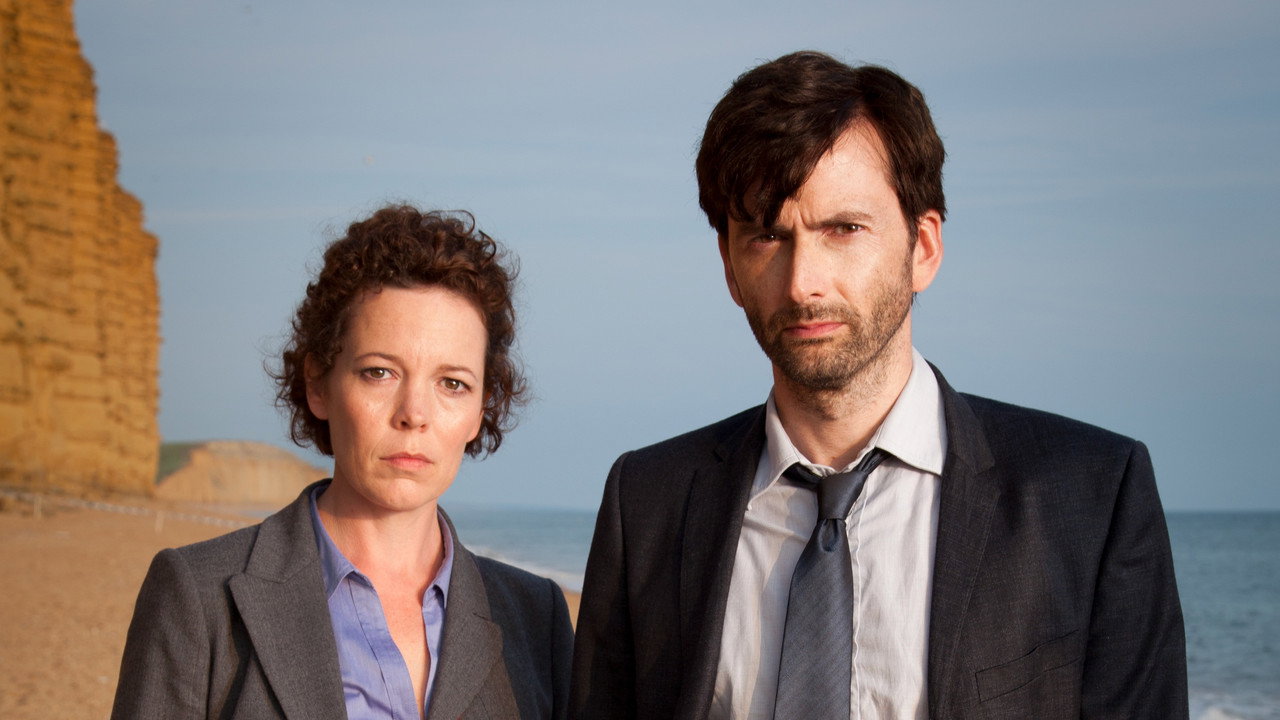
Broadchurch: a coastal murder case that keeps expanding
Broadchurch starts with a tragic death in a small English seaside town, then uses that event to expose how many secrets can hide inside a community that looks outwardly ordinary. What makes it fit this list is the way it resists easy answers: every new piece of evidence shifts suspicion, but the emotional stakes remain tied to the town’s relationships, not just the mechanics of the investigation.
The show is especially effective if you like mystery series that make you study faces, conversations, and small behavioral details. It doesn’t rely on flashy twists so much as accumulating pressure, and the final stretch feels satisfying because it has spent so much time making every potential answer plausible. It’s also a good example of a mystery that stays gripping even when you think you’ve settled on a theory.
The sinner: each season starts with a crime and hides the real mystery underneath
The Sinner is structured around a deceptively simple premise: a person commits a shocking act, and the investigation becomes an excavation of memory, trauma, and motive. The reason it belongs here is that the obvious question is never the real one. Instead of asking only who did it, the series keeps pushing toward why, and that second question often takes until the end to fully answer.
Because each season works as its own contained mystery, it’s easy to jump in without committing to a huge backlog. The tone is dark and psychologically focused, with enough procedural momentum to keep the plot moving but enough emotional ambiguity to keep viewers guessing. If you want a show that withholds the truth through character rather than gimmick, this is one of the stronger examples.
Dark: the puzzle box mystery that rewards close attention
Dark is the rare mystery series that asks you to track both people and timelines with equal concentration. Set around disappearances in a German town, it gradually reveals a much larger web of connections that stretches across generations. It fits this list because the series is built on controlled revelation: each answer opens a new question, and the final episode lands after the story has fully committed to its labyrinthine design.
This is not a casual watch, but it is an unusually coherent one. The show plants details early and expects you to remember them, which makes the ending feel less like a surprise than a painstakingly assembled solution. If you enjoy mysteries that are dense, atmospheric, and structurally ambitious, Dark delivers the feeling of being outmaneuvered in the best possible way.
The oa: a mystery that keeps you off balance on purpose
The OA is one of the most unusual mystery series ever made, because it keeps refusing to stay inside a single genre. It begins with a young woman returning after a mysterious disappearance, but the story quickly becomes stranger, deeper, and much harder to pin down. That constant instability is exactly why it qualifies: the audience is always trying to decide what kind of mystery it is, and the answer keeps evolving.
The series asks for patience, but it gives that patience back with a payoff that comes from accumulated belief, pattern recognition, and emotional commitment. Rather than simply hiding information, it uses perspective itself as part of the puzzle. If you want a show that feels unpredictable all the way to the end because it never lets you settle into one comfortable interpretation, this is a standout choice.
Why didn’t they ask evans?: an old-school whodunit with a modern mini-series pace
This adaptation of Agatha Christie’s Why Didn’t They Ask Evans? works well as a mystery for viewers who want a compact series that still holds back its central answer until the end. It follows a pair of amateur sleuths drawn into a death that seems straightforward at first and then opens into a broader conspiracy of motives, disguises, and false leads.
What distinguishes it from a lot of contemporary thrillers is its willingness to play fair in a classic mystery mode: clues matter, personalities matter, and the ending depends on a careful rearrangement of assumptions rather than nonstop escalation. Because it’s a short series, there’s no filler to dilute the suspense, and the final episode has the clean satisfaction of a traditional reveal done with restraint.
Bodyguard: political thriller energy with a mystery at its core
Bodyguard is often described as a thriller, but it earns a place on this list because so much of its tension comes from not knowing who can be trusted, what each character is really after, and how far the conspiracy reaches. The series keeps tightening the screw around its central figure while steadily expanding the number of moving parts.
The show is ideal if you like mysteries that are fast-moving without becoming disposable. It balances surveillance, political pressure, and personal ambiguity, which means the story keeps generating new possibilities right up to the finish. By the time the final episode arrives, the earlier scenes have been recalibrated in a way that makes the whole season feel like one sustained game of misdirection.
Behind her eyes: the kind of mystery that changes the rules late
Behind Her Eyes begins as a domestic psychological mystery and then steadily pulls the floor out from under that setup. At first, it seems to be about secrets, affairs, and manipulation, but the series keeps widening its frame until the viewer realizes the story has been building toward something far more unsettling. That late shift is exactly why it belongs here: the ending reframes the entire show.
Even if you come in expecting a conventional relationship thriller, the series is designed to keep you second-guessing every apparent explanation. It doesn’t just hide the truth; it makes the truth hard to imagine until the final stretch. For viewers who like mysteries that are deliberately disorienting and highly discussable afterward, it’s a memorable pick.
Only murders in the building: playful clues, real suspense, and a season-long answer
Only Murders in the Building approaches mystery with a lighter touch than the other titles here, but the structure is still serious about withholding its solution. Each season centers on a new death and builds a web of suspects, motives, and mistaken assumptions around it. The show earns its place because it keeps the audience guessing while also making the clue trail feel accessible and fun to follow.
Part of the appeal is that the series knows exactly how to balance comedy with genuine investigative momentum. The central trio may be charmingly dysfunctional, but the mysteries themselves are not throwaway; they are carefully arranged and usually pay off in a final episode that reshuffles the whole season. If you want a mystery that is warm, brisk, and still genuinely hard to solve early, this one fits nicely.
The night of: a single case that stays morally murky until the end
The Night Of is not a conventional whodunit, but it absolutely belongs among mysteries that keep you guessing until the final episode. The central case begins with a crime that seems to point in one direction, then unfolds into a dense, unsettling examination of evidence, identity, and the way the system can distort the truth. The question is never only what happened; it’s also how much certainty is even possible.
The series works because it refuses to give viewers the comfort of easy clarity. Instead, it turns uncertainty into the point of the experience, and each episode changes the way the evidence looks. By the end, the show has not just solved a case but challenged the audience’s assumptions about what a mystery story can promise and still deliver.