
Few viewing experiences are as fun as a movie that seems to be playing fair, then suddenly turns the floorboards out from under you. A strong twist does more than surprise; it reorders the entire story, sending earlier scenes into a new light and making viewers rethink what they assumed they knew. The best examples are not just twisty for the sake of it. They are carefully built so the reveal feels shocking in the moment and inevitable afterward.
This list focuses on films and one limited-series-sized story that use plot twists as a structural engine, not as a cheap last-minute gimmick. Some hide their real premise in plain sight, some turn a genre inside out, and some make you question the reliability of the world you have been watching. If you want stories that genuinely change shape midstream, these are the kinds of titles that reward attention without giving up their secrets too early.
The sixth sense: the twist that reframes everything you thought you saw
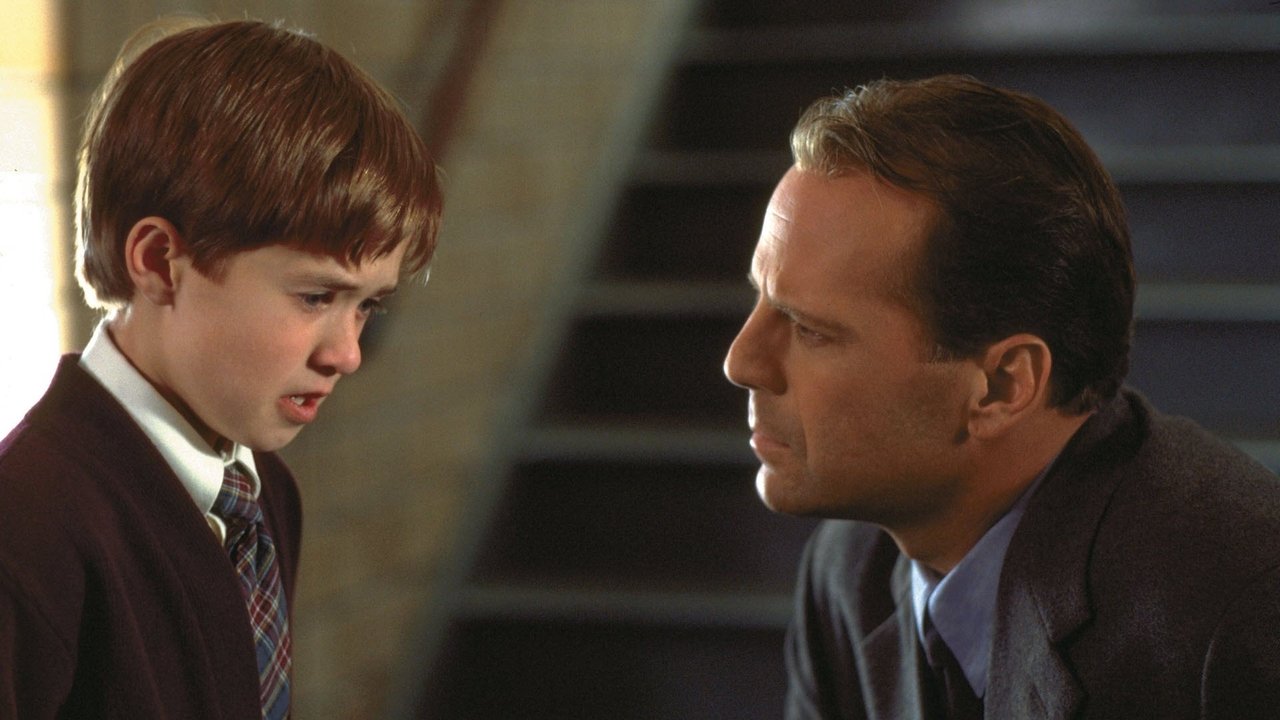
M. Night Shyamalan’s The Sixth Sense remains one of the clearest examples of a twist that truly changes the whole movie rather than simply decorating it. On the surface, it is a quiet supernatural drama about a child psychologist helping a frightened young boy who claims to see dead people. What makes it so effective is how carefully it balances melancholy, suspense, and emotional restraint before the final revelation lands.
The payoff works because the movie has been playing by its own rules all along. Once the twist arrives, earlier scenes feel different without becoming invalid. That rewatch value is exactly why this belongs on a list like this: it is not just surprising once, it changes the meaning of everything that came before it.
Fight club: a genre movie that keeps mutating underneath you
David Fincher’s Fight Club starts as a bleak comedy about alienation, masculinity, and consumer culture, then gradually reveals that its real concerns are far stranger and more destabilizing. It is easy to talk about the movie as a cult favorite, but the reason it endures is that its twist is tied directly to theme, not just to shock value. The story keeps tightening until it cannot be read the same way twice.
What makes it fit here is the way its structure asks viewers to question identity, memory, and control. By the time the film opens up into its larger consequences, the initial premise has been completely transformed. It is the sort of twist that doesn’t merely alter a plot point; it changes the entire emotional and psychological frame of the movie.
Gone girl: a marital mystery that keeps rewriting the crime
David Fincher’s Gone Girl begins like a disappearance thriller and then starts pulling the audience through a series of increasingly sharp reversals. Adapted from Gillian Flynn’s novel, the movie is built to make viewers settle into one theory before taking that theory apart. Its power comes from how confidently it handles that pivot, never treating the twist as a detour from the main story but as the story itself.
Because the film keeps shifting perspective, its surprises feel less like one big reveal and more like a cascade of recontextualizations. The result is a thriller where every new development changes the moral weight of the previous one. If you want a modern mystery that keeps reassigning blame and sympathy, this is a strong fit.
Arrival: a sci-fi twist that changes time, not just the plot
Denis Villeneuve’s Arrival is often remembered as a thoughtful first-contact film, but its most powerful twist is also one of its most elegant. Rather than simply resolving an alien-contact mystery, the movie reveals that the protagonist’s understanding of time itself has been transformed. That makes the twist deeply emotional, because it is not just about what is happening—it is about how the character experiences life.
This is a rare example of a surprise that expands the story instead of narrowing it. Once the film’s structure clicks into place, earlier scenes become richer and more poignant. It fits this list because the twist changes the meaning of the entire narrative without undermining the restrained, humane tone that makes the movie special in the first place.
Oldboy: revenge storytelling taken to a brutal extreme
Park Chan-wook’s Oldboy is a revenge thriller that becomes much more unsettling than its premise suggests. The film follows a man who is imprisoned without explanation and then released, only to pursue the truth behind his ordeal. That setup alone is gripping, but the narrative eventually reveals a deeper and far more disturbing game beneath the surface.
What earns it a place here is the way the twist alters the entire moral landscape of the film. It is not a clean reversal or a clever trick; it is a devastating structural reveal that changes how every character’s actions are understood. Few movies use a twist to such corrosive effect, which is exactly why it remains unforgettable.
Shutter island: a mystery where the ending redefines the investigation
Martin Scorsese’s Shutter Island looks, for most of its running time, like a moody detective story set in a remote psychiatric institution. Leonardo DiCaprio’s character arrives to investigate a disappearance, and the movie invites viewers to follow the clues as though they are solving a conventional case. That familiarity is part of the trap.
The eventual twist does more than explain the mystery; it forces a complete reassessment of what kind of story has been unfolding. The film becomes a psychological puzzle about guilt, denial, and the limits of self-knowledge. It belongs on this list because the reveal is not just a surprise ending—it is the key that unlocks the movie’s real design.
The prestige: a duel of illusions with layered surprises
Christopher Nolan’s The Prestige is built around magicians, rivalry, and obsession, which makes it an ideal vehicle for a story full of misdirection. The film keeps asking viewers to pay attention to what is being shown versus what is being concealed, and it does so with unusual discipline. Each major turn feels like part of a larger act of deception.
Its best twist is memorable because it is both narratively clever and thematically consistent. The movie is about the cost of obsession, but it is also about performance itself—how much of life is illusion, and what it takes to maintain one. That dual purpose makes the surprises feel earned rather than ornamental.
Se7en: a crime thriller that ends with a truly grim reversal
David Fincher’s Se7en is a procedural built on dread, tracking two detectives through a city-sized nightmare shaped by ritualized murders. The film’s atmosphere is already oppressive long before the final act, but its ending is what pushes it into this category. The last turn does not merely identify the killer or solve the case; it changes the emotional stakes of everything that has led up to it.
What makes Se7en fit the title is how its twist lands with narrative force and thematic cruelty at the same time. It is a crime film that refuses catharsis, replacing clean resolution with a final blow that lingers. The surprise works because the movie has been building toward hopelessness all along, even when it looks like a standard investigation story.
The others: a haunted-house story with an elegant reversal
Alejandro Amenábar’s The Others is one of the most effective haunted-house movies precisely because it takes its supernatural premise seriously before quietly changing what that premise means. Nicole Kidman’s character lives in a shadowy manor with her children, and the film leans into unease, silence, and old-fashioned Gothic tension. It feels like a ghost story in the classic sense.
The twist is so memorable because it does not simply reveal a hidden fact; it reorients the entire spiritual logic of the film. Earlier scenes gain an entirely different texture afterward, and the mood shifts from eerie uncertainty to tragic recognition. That combination of atmosphere and structural reversal is what makes the movie a perfect fit for this list.
Primal fear: a courtroom drama with a devastating final turn
Gregory Hoblit’s Primal Fear is a legal thriller that thrives on performance, testimony, and doubt. Richard Gere plays a defense attorney drawn into a high-profile murder case, and the movie carefully layers its suspicions so that viewers are never fully sure which version of events to trust. It is a classic courtroom setup, but one that has much more on its mind than a simple verdict.
The final twist changes the entire moral and psychological reading of the story. Rather than merely solving the case, it reveals that the assumptions driving the investigation have been deeply manipulated. That kind of structural reversal is exactly what this list is about: a plot twist that doesn’t just surprise, but fundamentally alters the movie’s meaning.