
Treasure hunt stories work best when the prize is only part of the appeal. The real pleasure comes from following a chain of clues, decoding maps, and watching characters interpret the same set of hidden signs in very different ways. That’s what separates a simple chase movie from something more playful and suspenseful: the mystery is built into the structure, so every room, artifact, inscription, and rumor might matter. The best examples also know how to balance wonder with movement, giving you enough logic to follow while still keeping the search alive.
The films and series below all lean hard into that pleasure. Some are globe-trotting adventures built around ancient relics and coded messages; others turn the hunt into a modern mystery full of secret societies, family histories, and locked-door revelations. A few are lighter and more family-friendly, while others are closer to crime thrillers with a puzzle-box shape. Together, they offer a useful spread of treasure-hunt storytelling in which the clues are not just decoration but the engine of the plot.
National Treasure and the joy of clue-chasing through American history
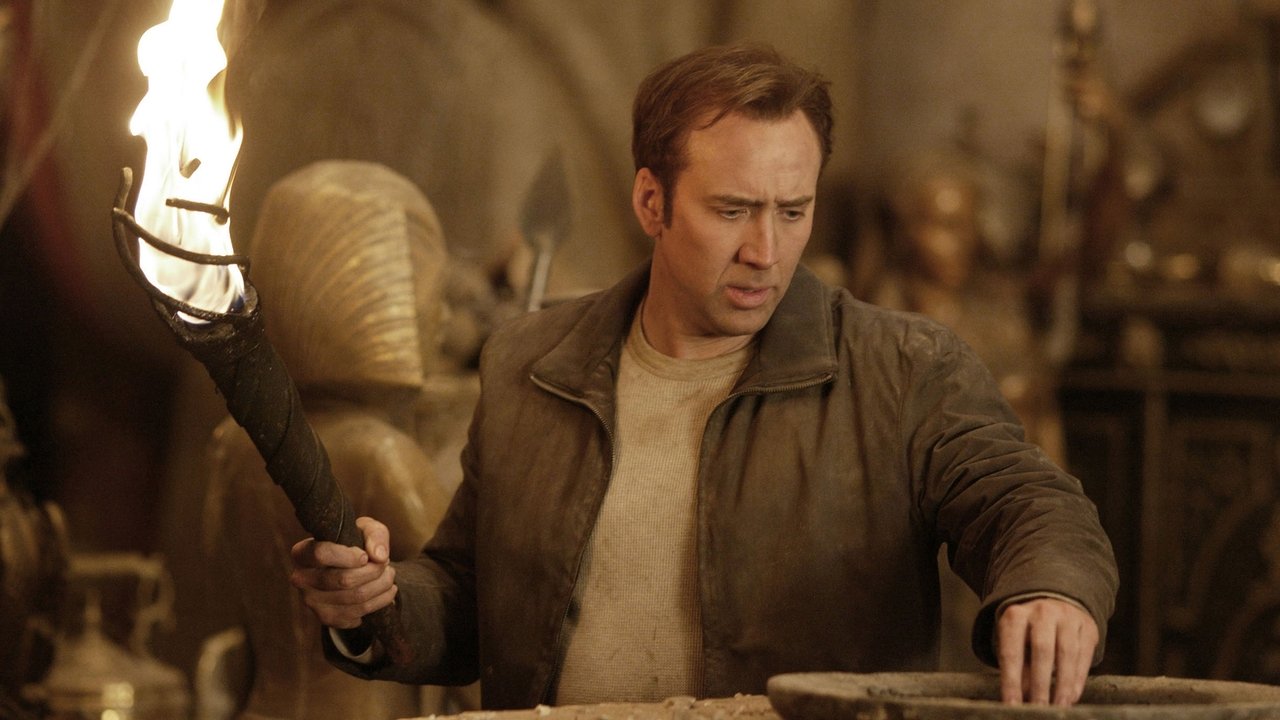
National Treasure is one of the cleanest examples of a modern treasure-hunt movie because it treats history like a trail of breadcrumbs. The hunt is driven by coded messages, hidden references in documents, and a chain of public landmarks that all conceal private meaning. That makes it especially satisfying for viewers who like stories where the characters have to read between the lines, not just outrun danger.
What makes it stand out is the way it turns familiar institutions and historical symbols into pieces of a larger puzzle. The movie keeps the pace moving, but it still gives the audience time to follow the logic of the clues. It’s a good entry point if you want treasure hunting without a heavy tone: adventurous, accessible, and built around deciphering secrets rather than merely stumbling onto them.
Indiana Jones and the Last Crusade and a father-son hunt built around tests and symbols
Among the Indiana Jones films, The Last Crusade is especially puzzle-driven because the search for the Holy Grail is structured around trials, inscriptions, and historical riddles. The treasure is not hidden in a single location waiting to be dug up; it must be earned through interpretation, courage, and the ability to understand the clues left behind by earlier seekers. That gives the film a strong sense of progression from one stage of the hunt to the next.
The movie also benefits from making the search personal. The treasure hunt is tied to a family relationship, which adds emotional pressure to the problem-solving. Even when the set pieces get big, the story keeps returning to the idea that knowledge matters just as much as action. If you want a treasure movie where clues, not just explosives, shape the journey, this is one of the strongest choices.
The Da Vinci Code and a trail of hidden messages inside art and history
The Da Vinci Code is built almost entirely on layered clues. The mystery unfolds through symbols embedded in artworks, religious history, and coded references that require the characters to keep reinterpreting what they already know. That makes it a good fit for viewers who enjoy treasure hunts that feel intellectual and conspiratorial, where each answer opens a new question.
Its tone is more investigative than swashbuckling, but the structure is still very much a hunt for a buried secret. The appeal lies in watching the characters move from one encoded reference to another while trying to separate truth from misinformation. If you like treasure stories where the map is less literal and the puzzle matters more than the prize, this one belongs on the list.
Sahara and a fast-moving search that connects relics, maps, and political intrigue
Sahara takes the treasure-hunt framework and sends it into a wider adventure setting, where the clues are tied to lost history, regional conflict, and a chain of artifacts that point the way forward. The movie has the satisfying feel of a scavenger hunt that keeps expanding, because each clue not only reveals the next stop but also broadens the stakes around the discovery itself.
What makes it distinctive is the mix of problem-solving and travel. The search moves through changing environments, and the characters have to read signs in both objects and landscapes. It’s lighter than some puzzle-heavy thrillers, but it still gives you that essential treasure-hunt rhythm: decode, travel, investigate, and piece together the bigger picture before someone else gets there first.
The Goonies and a kid-led hunt full of maps, traps, and hidden chambers
The Goonies is one of the most beloved treasure-hunt stories because it treats the hunt as a physical adventure through secret spaces. The clues lead to tunnels, mechanisms, and concealed routes, so the mystery is not abstract; it’s something the characters literally crawl through. The movie’s energy comes from the sense that every obstacle is part of a larger design waiting to be uncovered.
It also works because the treasure hunt is filtered through the perspective of kids who are figuring things out as they go. That makes the puzzle-solving feel impulsive and fun, with real danger balanced by humor and momentum. If you want a treasure story that leans into hidden passages, old maps, and the thrill of discovery, this remains a classic for a reason.
Uncharted and a globe-spanning chase for lost cargo and coded history
Uncharted brings video game-style treasure hunting to the screen with a focus on deciphering clues, following coded leads, and tracking down a legendary cache that has been hidden across centuries. The movie is especially effective when it leans into the idea that the treasure hunt is a chain reaction of half-hidden references, each one pointing to a new location or a new piece of the puzzle.
It also has the advantage of constantly shifting scale. The search moves from one exotic setting to another, but the logic of the hunt stays central. There are traps, betrayals, and competing factions, yet the clue work remains the backbone of the story. For viewers who want a more contemporary treasure movie with fast pacing and lots of clue-driven movement, this is a strong match.
National Treasure: Book of Secrets and a sequel that doubles down on family mystery
National Treasure: Book of Secrets continues the original’s fondness for historical codes, hidden documents, and secret passages, but it adds a stronger sense of inherited mystery. The hunt is not just about finding a lost object; it is also about proving or disproving claims buried inside family history and national mythology. That gives the clues a personal and archival quality at the same time.
The sequel fits this list because it keeps the puzzle-solving front and center. Characters still have to interpret symbols, cross-reference clues, and chase information from one location to another. If you enjoyed the first film’s mix of action and riddle-solving, this one offers more of that same satisfaction, with a slightly different emphasis on legacy and hidden records.
Tomb Raider and a survival-driven search for an ancient secret
Tomb Raider works as a treasure-hunt film because it makes discovery feel earned through physical risk and careful interpretation of what has been left behind. The story follows a search tied to a vanished figure and a hidden historical secret, with clues that demand persistence rather than luck. That keeps the movie firmly in the puzzle-adventure tradition even when the action grows large-scale.
Its version of treasure hunting is also more survival-oriented than some of the others here. The challenge is not only locating the secret but also surviving the spaces, mechanisms, and people protecting it. The clues push the character deeper into the mystery, and the treasure itself becomes part of a larger revelation. It’s a solid pick if you want a modern adventure with a classic hunt structure.
Outer Banks and a TV treasure hunt built for long-form clue solving
Outer Banks turns treasure hunting into an ongoing series engine, which means the clues, rivalries, and hidden histories can stretch across multiple episodes. The show repeatedly returns to maps, family secrets, and local legends, so the search evolves as the characters uncover more of the past. That makes it especially rewarding for viewers who like treasure stories with room to breathe.
Because it is serialized, the show can layer mysteries instead of resolving everything quickly. One clue often exposes another, and the competition around the treasure keeps the tension alive from episode to episode. If you want a treasure-hunt story that feels expansive and cliffhanger-friendly, this is one of the most obvious TV choices.
Treasure Island and the original blueprint for map-driven adventure
Treasure Island remains one of the clearest foundations for the entire genre because its pleasures are so direct: a map, a buried fortune, dangerous alliances, and people interpreting the clues with competing motives. Whether in film or television adaptations, the story has the essential ingredients that later treasure hunts keep borrowing—coded directions, hidden motives, and the ever-present possibility that the map itself may not be trustworthy.
It fits this list not because it is the flashiest entry, but because it defines the shape of the hunt so many later stories follow. The appeal is in the accumulation of clues and shifting loyalties, with the treasure serving as the endpoint of a much larger game. If you want to see the classic template in its purest form, this is where to start.