

The story of a tiny Alaskan town challenging elite professional hockey players sounds like the kind of sports legend that might have happened somewhere in the rugged north.
Mystery, Alaska builds its narrative around that appealing idea: a proud local team from a remote community stepping onto the ice against one of the best teams in the world. Because the premise feels rooted in hockey folklore, many viewers wonder whether the film reflects an actual historical event or simply draws from the sport’s colorful past.
The small-town hockey story at the center of Mystery, Alaska and why viewers connect it to real events
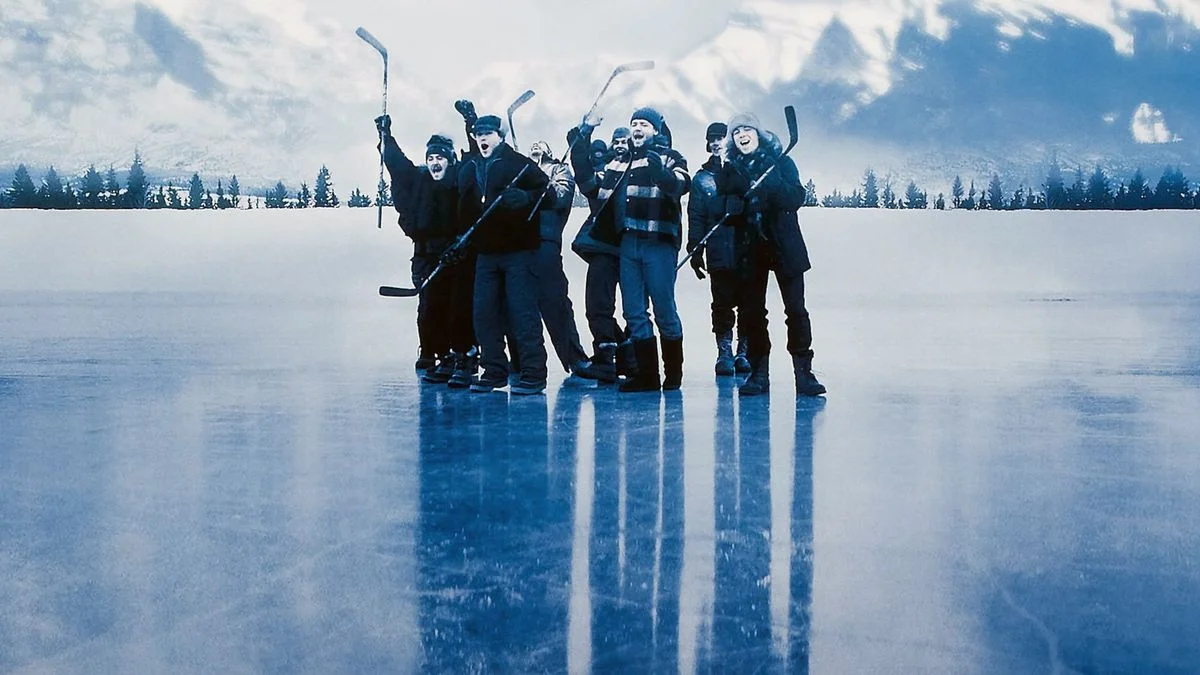
At the heart of Mystery, Alaska is a classic sports underdog story. The film follows a group of amateur players from a remote town in Alaska who participate in a weekly pond hockey game that becomes a defining part of the community’s identity. When a national sports magazine highlights the unusual tradition, the attention leads to a once-in-a-lifetime opportunity: the town’s amateur team is invited to face the New York Rangers, one of the most prominent franchises in professional hockey.
The premise resonates strongly with real-world sports history because it reflects a long-standing cultural idea in hockey. Throughout the sport’s early years, especially in the late nineteenth and early twentieth centuries, amateur teams from small towns often dreamed of challenging powerful clubs from larger cities. Hockey developed in communities where outdoor rinks and frozen ponds made the sport accessible even in remote areas.
That cultural backdrop makes the story feel believable. Viewers recognize the authenticity of small-town pride, outdoor hockey traditions, and the tension between amateur passion and professional competition. While the film presents these elements through fictional characters and settings, the overall concept closely resembles episodes from the early history of organized hockey.
The 1905 Stanley Cup challenge between the Ottawa Senators and the Dawson City Nuggets
The historical event most frequently linked to Mystery, Alaska took place in 1905, during an era when the Stanley Cup operated under a challenge system rather than a fixed league playoff format. At the time, amateur and semi-professional teams could challenge the reigning champions for the trophy.
In early 1905, the Dawson City Nuggets, an amateur hockey team from Dawson City in Canada’s Yukon Territory, issued such a challenge to the Ottawa Senators, who were among the strongest professional teams of the era. Dawson City was a remote settlement shaped by the Klondike Gold Rush, and its players were largely amateurs who had developed their skills in a small northern community.
Traveling to Ottawa for the challenge was a major undertaking. Because Dawson City was isolated from the rest of Canada’s rail network, the team had to complete a long and difficult journey that included dog sleds, trains, and riverboats. The trip itself became part of hockey folklore, representing the determination of a small northern team seeking a chance to compete on the sport’s biggest stage.
When the games finally took place, the difference in skill and experience was evident. Ottawa defeated Dawson City by overwhelming scores, including a 23–2 result in one of the games. Despite the one-sided outcome, the challenge became a memorable episode in hockey history, symbolizing the gap between amateur teams from remote communities and the professional clubs dominating the sport at the time.
How the idea of a remote northern town facing professional hockey giants shaped the film’s premise
The central idea of Mystery, Alaska reflects the same narrative dynamic that defined the Dawson City challenge: a small northern community confronting a powerful professional opponent. In the film, the town’s amateur team earns the chance to face the New York Rangers after national media attention brings their weekly pond games into the spotlight.
The filmmakers used this structure to create a story that captures both the pride of a remote community and the intimidating presence of elite athletes arriving from the professional world. The match becomes more than just a sporting event; it represents a clash between two very different versions of hockey culture.
On one side are players who have spent their lives skating on frozen ponds, representing the traditions of grassroots hockey. On the other are highly trained professionals accustomed to modern arenas, commercial pressure, and global recognition. That contrast echoes the historical circumstances of early Stanley Cup challenges, when amateur clubs occasionally tested themselves against the strongest teams in the sport.
Although the film does not recreate the 1905 event directly, the narrative clearly draws from the same idea: an unlikely meeting between a northern amateur team and an established professional powerhouse.
The fictional town of Mystery, Alaska and its community team in the movie’s narrative
Despite the historical inspiration behind its premise, the setting of Mystery, Alaska is entirely fictional. The town of Mystery does not exist as a real location, and the characters who make up its hockey team are inventions created for the film’s story.
The narrative focuses on several members of the community team, including John Biebe, the town’s sheriff and one of its most skilled players. Other teammates include local residents with different roles in the town’s social life, from construction workers to politicians. Their weekly hockey game on a frozen pond becomes a central ritual that brings the community together.
This fictional setting allows the film to explore themes of local pride, identity, and community bonds without being tied to the details of a specific real town. The story portrays Mystery as a place where hockey carries symbolic importance, reflecting the traditions of many northern communities where outdoor rinks and informal leagues have long been part of everyday life.
By creating a fictional town and team, the filmmakers gained the freedom to shape characters and events for dramatic purposes. The narrative focuses on personal relationships, rivalries within the team, and the emotional impact of facing professional players, all of which are designed to support the film’s storytelling rather than reconstruct historical facts.
Elements of the Dawson City story that echo in the film’s underdog hockey match
Even though Mystery, Alaska does not recreate the 1905 challenge in a literal way, certain elements of the Dawson City story appear in a modified form. The most obvious connection lies in the idea of an isolated northern community gaining a rare opportunity to face elite hockey players.
Both stories highlight the contrast between amateur enthusiasm and professional experience. In the historical challenge, Dawson City’s players were miners and local residents who competed against one of the strongest professional teams of the era. Similarly, the fictional team from Mystery consists of ordinary townspeople who suddenly find themselves skating against world-class athletes.
Another parallel is the cultural symbolism attached to the event. In both cases, the game represents more than just a sporting contest. For the small community involved, it becomes a moment of pride and recognition, placing their remote town on the map of the hockey world.
The film also captures the sense of spectacle surrounding such an encounter. In real life, the Dawson City challenge attracted attention because it involved a remote team traveling enormous distances for the chance to compete. In the movie, the arrival of a professional team in a tiny Alaskan town creates a similar sense of excitement and curiosity.
Where Mystery, Alaska departs from historical events and builds its own characters and storyline
While the film draws inspiration from hockey history, most of its plot developments are fictional. The characters, their relationships, and the details of the exhibition game against the New York Rangers were created specifically for the screenplay.
The structure of the film differs significantly from the 1905 challenge as well. In reality, the Dawson City Nuggets faced a crushing defeat against the Ottawa Senators, highlighting the enormous gap between amateur and professional teams. Mystery, Alaska instead builds a dramatic contest designed to emphasize determination and resilience.
The journey to the game is also portrayed differently. The historical Dawson City team endured a long and physically demanding trip to reach Ottawa, which became a defining element of the story. In the film, the professional team travels to the small town instead, shifting the focus to how the community prepares for the momentous event.
These changes illustrate how the filmmakers used historical inspiration as a starting point rather than a blueprint. By reshaping the situation into a fictional narrative, the story could emphasize personal drama, community relationships, and the emotional stakes of the game.
Real history versus cinematic storytelling in the hockey world portrayed by Mystery, Alaska
The difference between the historical challenge and the film’s storyline reflects a broader pattern in sports storytelling. Real events often provide the initial spark for a narrative, but filmmakers typically adapt those events to create a more dramatic and character-driven experience.
In Mystery, Alaska, the historical idea of a remote amateur team confronting elite competition becomes the foundation for a fictional tale about community pride and personal ambition. The film focuses less on documenting a specific historical episode and more on capturing the spirit of small-town hockey culture.
This approach allows the story to resonate with audiences who recognize the traditions of outdoor hockey and tight-knit northern communities. At the same time, the film avoids being constrained by the exact details of any one historical event.
The result is a narrative that reflects real aspects of hockey’s past while remaining firmly within the realm of fiction.
Mystery, Alaska as a fictional sports drama loosely inspired by a historic early hockey challenge
The story presented in Mystery, Alaska is not a direct retelling of an actual event. The town, the characters, and the specific exhibition game against the New York Rangers are fictional creations designed for the film’s narrative.
However, the movie clearly draws inspiration from real hockey history, particularly the 1905 Stanley Cup challenge between the Ottawa Senators and the Dawson City Nuggets. That historical episode provided a real example of a small northern amateur team confronting a powerful professional opponent.
Because of this connection, the film can be described as a fictional sports drama loosely inspired by real events. It reflects the spirit and circumstances of early hockey history while telling its own story built around invented characters and a fictional community.
