
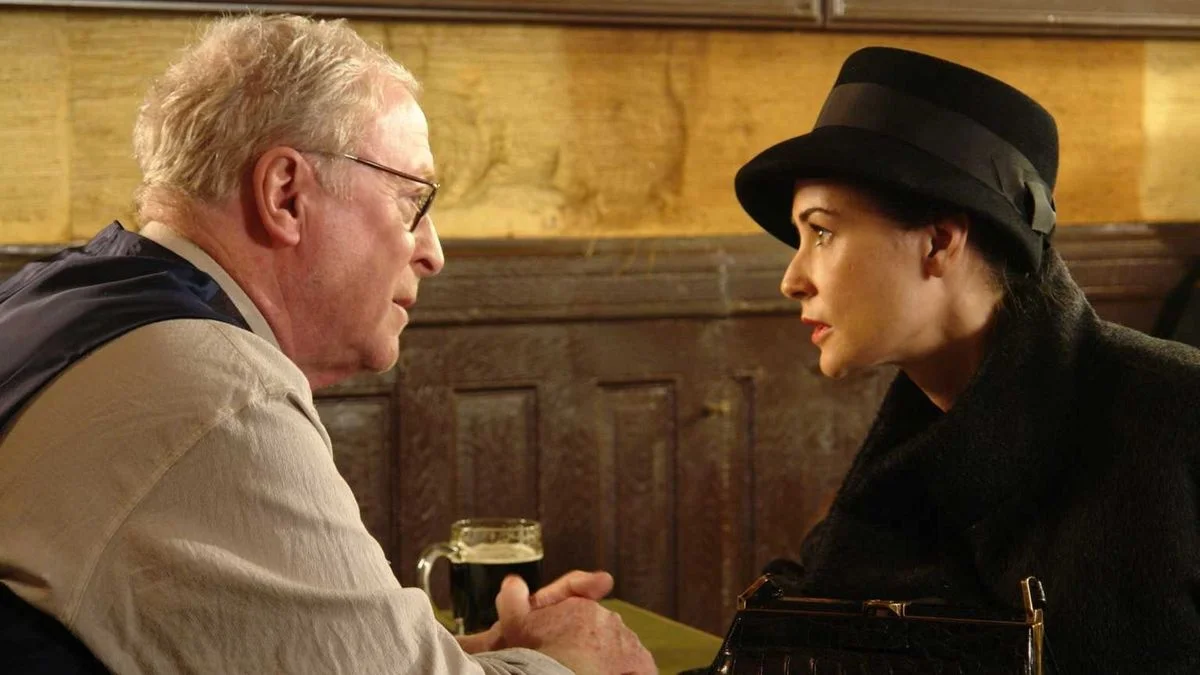

A meticulous diamond robbery inside a powerful London corporation, carried out by insiders who know the system from within, sounds like the kind of story drawn from real headlines.
The film’s period setting, restrained tone, and focus on workplace dynamics can make it feel less like fantasy and more like a dramatized historical case. That sense of plausibility often leads viewers to wonder whether the events actually happened or were inspired by a specific crime.
The 1960s London Setting That Makes Flawless Feel Historically Real
The story unfolds in late-1960s London, a time portrayed with careful attention to detail. Office hierarchies, dress codes, social customs, and corporate culture all reflect documented aspects of British professional life during that era. Women in executive roles were rare, secretarial pools were common, and strict class divisions influenced workplace interactions.
These authentic details create the impression of a true historical backdrop. However, while the social environment is grounded in real conditions, the narrative itself does not correspond to a specific documented incident. The London Diamond Corporation depicted in the story resembles the type of large trading institutions that existed, but it is not presented as a real company tied to an actual scandal or robbery.
In this way, the film uses a believable historical framework without anchoring the plot to real events. The realism comes from atmosphere and context rather than from a factual case.
Laura Quinn and Mr. Hobbs as Invented Characters Rather Than Real Figures
The central partnership between Laura Quinn, an overlooked executive, and Mr. Hobbs, a quiet janitor, drives the entire story. Both characters appear carefully constructed to represent different social positions within a rigid corporate system: Quinn as the ambitious woman blocked by gender barriers, and Hobbs as the invisible worker who understands the building better than anyone.
No historical records or credible sources link these characters to real individuals involved in a diamond heist. They function as fictional archetypes rather than dramatized versions of actual people. Their motivations, backgrounds, and personal histories are crafted to serve the narrative rather than to mirror documented lives.
This fictional status becomes especially clear in the way their partnership evolves. The story depends on precise coordination, secret planning, and emotional revelations that unfold in a highly structured dramatic arc. Such development reflects screenwriting choices rather than reconstructed testimony from real participants.
The Diamond Heist at the London Diamond Corporation as a Fictional Crime
At the center of the plot is a large-scale theft of diamonds from within the company’s vaults. The plan involves exploiting internal security procedures, timing the operation carefully, and manipulating corporate oversight. The heist is presented as meticulous and plausible, avoiding exaggerated action sequences in favor of quiet deception.
Despite this realism, no documented robbery matches the specifics shown. Major diamond thefts in history have been widely reported, particularly those involving corporate insiders or large financial losses. None correspond to the precise scenario depicted in the film.
The narrative also introduces twists about how the stolen gems are concealed and removed, emphasizing ingenuity rather than brute force. These elements align with classic fictional heist conventions rather than forensic reconstructions of an actual crime. The absence of identifiable victims, investigations, or public fallout further suggests that the event was invented for storytelling purposes.
How Workplace Discrimination Themes Reflect Real Social Conditions of the Era
One aspect grounded firmly in reality is the depiction of gender inequality in the workplace. Laura Quinn’s frustration at being passed over for promotion in favor of less qualified male colleagues reflects documented patterns from mid-20th-century corporate culture. Women often faced limited advancement opportunities regardless of competence or education.
This theme is not tied to a single historical incident but to broader social conditions that have been extensively recorded. The character’s experience resonates because it mirrors real struggles faced by professional women during the period. Her resentment becomes a believable motive within the fictional story.
By incorporating authentic social dynamics, the film strengthens its illusion of truth. However, these conditions serve as context rather than evidence that the specific events occurred. The discrimination is real; the crime built around it is not.
Absence of Any Documented Robbery Matching the Film’s Plot
Extensive records exist for major jewel thefts, especially those involving organized operations or large corporate losses. High-profile cases typically attract media attention, legal proceedings, and detailed investigation reports. None describe a theft resembling the methodical insider job portrayed here.
The lack of documentation is significant because the film presents the robbery as large enough to matter financially and strategically. If such an event had occurred, it would likely appear in historical crime archives or business records. No such connection has been established.
This absence strongly indicates that the narrative was conceived independently rather than adapted from an obscure real case. The story feels plausible precisely because it borrows realistic elements from known corporate practices without tying them to a specific incident.
Elements That Resemble Classic Heist Lore Rather Than Recorded Events
Many aspects of the plot align with long-standing traditions of fictional heist storytelling. The partnership between an underestimated insider and an unlikely accomplice, the exploitation of routine procedures, and the emphasis on intellectual strategy over violence are hallmarks of the genre.
The story also incorporates the idea of a “perfect crime” designed to leave minimal evidence, another common trope. Such narratives focus on cleverness and moral ambiguity rather than procedural accuracy. While real crimes rarely unfold so neatly, fiction often highlights elegance and symmetry in the plan.
These conventions help explain why the story feels familiar even without a real counterpart. It draws on narrative patterns audiences recognize from decades of crime fiction, blending them with period realism to enhance credibility.
Why the Story Was Designed as a Period Thriller Instead of a True Account
Setting the story in the late 1960s serves both aesthetic and thematic purposes. The era predates modern surveillance technology, digital tracking, and contemporary security systems, making an insider heist more believable. It also allows the narrative to explore social tensions around class and gender in a way that would be different in a modern setting.
Choosing a historical period gives the story a sense of distance, which can make fictional events feel authentic without requiring adherence to documented facts. The restrained pacing and understated tone reinforce the impression of a realistic drama rather than an action spectacle.
This approach suggests the filmmakers aimed to create a plausible scenario within a carefully reconstructed past, not to recount a known case. The authenticity lies in mood and setting, not in historical accuracy of the events themselves.
Final Verdict on Whether Flawless (2007) Is Based on Real Events
Flawless (2007) is not based on a documented crime or real individuals involved in a diamond robbery. Its characters, corporate setting, and central heist are fictional creations designed to fit within a believable historical framework. While the film incorporates authentic details about 1960s workplace culture and social inequality, these elements provide context rather than evidence of a true story.
The narrative succeeds in feeling plausible because it blends real social conditions with classic heist storytelling techniques. However, no verified case mirrors the events shown, and the key figures are not drawn from identifiable historical sources. The most accurate description is that the film is a fictional period thriller that uses realism to enhance credibility.
