
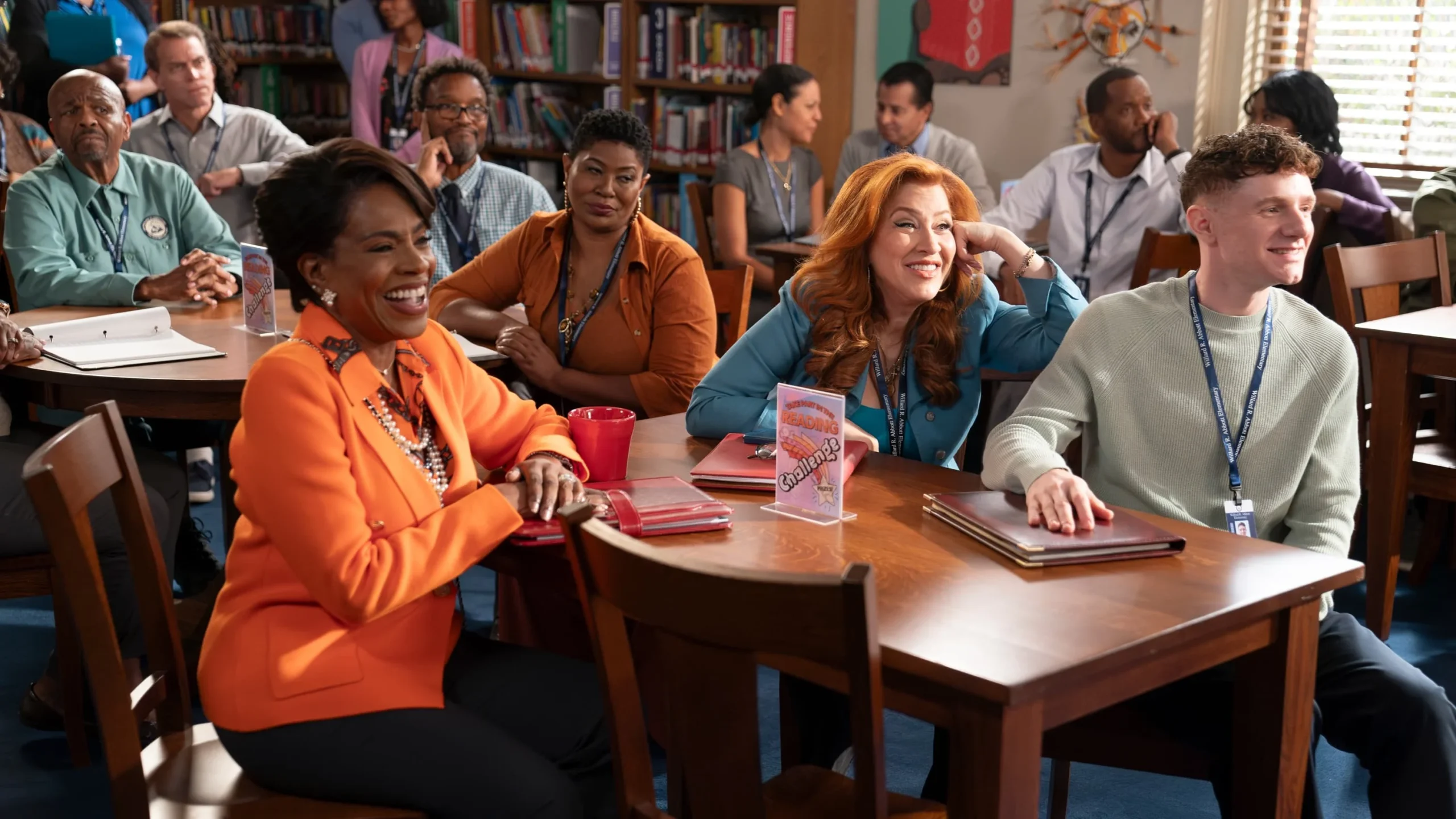

Watching Abbott Elementary with children can seem like a natural choice at first, since it takes place in a school and focuses on teachers and students.
At the same time, the show is built as a workplace comedy, which means many of its jokes and conversations are written with adults in mind. The tone stays calm and grounded, but the way situations are handled can raise small questions about how younger viewers will interpret what they see.
A light workplace comedy set in a school that parents may consider for shared viewing
Abbott Elementary is structured as a mockumentary-style comedy that follows a group of teachers working in an underfunded public school. Most scenes take place in classrooms, hallways, or staff areas, showing day-to-day challenges faced by educators.
From a child’s perspective, the setting feels familiar and easy to recognize. Students appear regularly, and classroom activities are part of many episodes. However, the focus is primarily on the teachers rather than the children. Conversations, reactions, and humor are centered on adult perspectives, even when kids are present in the scene.
This makes the show suitable for shared viewing in some cases, but it is not designed as a children’s program. Kids may enjoy the school environment, while adults will understand the deeper context behind the situations.
The classroom setting and familiar school situations kids can easily recognize
Much of what happens on screen reflects everyday school life. Scenes include lessons, classroom management, interactions with students, and moments like school events or staff meetings. Children watching the show can easily recognize these situations from their own experiences.
The familiarity helps younger viewers stay engaged, even if they do not fully understand every conversation. Seeing students interact with teachers, ask questions, or behave in ways that feel realistic can make the show approachable.
At the same time, the challenges shown—such as limited resources or difficult classroom situations—are presented from an adult point of view. Children may notice these elements but not fully grasp their significance without explanation.
The show can also be a simple way for families to connect what children see on screen with real school topics, especially when an episode leads to questions about classrooms, teachers, or local communities.
For example, a parent can turn that curiosity into a short conversation about U.S. states and their symbols, helping children link entertainment with basic educational ideas in a natural way.
The style of humor and jokes that may go over younger children’s heads
The humor in Abbott Elementary is mostly subtle and dialogue-driven. Many jokes come from awkward situations, misunderstandings between staff members, or commentary on how the school operates.
Younger children may pick up on physical humor or expressive reactions, but a large portion of the comedy relies on context. For example, jokes about workplace dynamics, budgets, or teaching methods may not be clear to someone without that background.
This does not create a negative experience, but it does mean that younger viewers may not find the show consistently funny. Instead, they may watch passively while adults respond more directly to the humor.
Mild language and adult conversations that appear in a school context
The show includes mild language and everyday conversations typical of adult interactions. This can involve light sarcasm, frustration expressed verbally, or discussions about workplace stress.
While there is no strong or explicit language, the tone of these conversations reflects adult communication. Some comments may include references to personal challenges, job dissatisfaction, or subtle social topics that are not aimed at children.
These moments are generally brief and not intense, but they may require context for younger viewers. They are unlikely to be harmful, but they are not written with a child audience in mind.
Emotional moments about teachers and students that younger kids can still follow
Beyond humor, the show includes emotional scenes that focus on relationships between teachers and students. These moments often involve helping a child succeed, dealing with disappointment, or supporting students through challenges.
Children can usually understand these situations because they are presented clearly and directly. A teacher encouraging a student or helping solve a problem is easy to follow, and these scenes can feel positive and reassuring.
The emotional tone remains moderate. The show does not include heavy or overwhelming situations, but it does highlight real-life struggles in a way that feels sincere rather than exaggerated.
Situations that reflect real school challenges and may raise questions for children
Abbott Elementary does not present school life as idealized. It shows issues such as lack of funding, teacher burnout, and the difficulty of managing a classroom with limited support. These topics appear through conversations and storylines rather than dramatic events.
Children may notice that teachers seem stressed or that the school lacks certain resources. This can lead to questions about why these problems exist or whether their own school faces similar challenges.
These moments are not frightening, but they introduce ideas that younger children may not fully understand. They can be opportunities for discussion, especially if a child is curious about what they see.
Why the calm tone and lack of intense scenes make it easy to watch together
One of the most consistent aspects of the show is its calm and steady tone. There are no fast-paced action scenes, loud confrontations, or visually intense moments. The pacing remains even, with most episodes focusing on small, everyday situations.
This makes the viewing experience predictable and easy to follow. Children are not exposed to sudden scares or high-pressure sequences. The environment stays grounded, and conflicts are resolved through conversation rather than dramatic escalation.
Because of this, the show can feel comfortable to watch in a shared setting, even if not every part is fully engaging for younger viewers.
How older kids and pre-teens are more likely to understand the humor and themes
Children who are slightly older, particularly those approaching pre-teen years, are more likely to follow both the humor and the themes of the show. They may begin to understand why teachers behave in certain ways and how workplace dynamics influence interactions.
At this stage, viewers can better connect the school setting to broader ideas, such as responsibility, teamwork, and problem-solving. They may also find more of the dialogue-based humor accessible.
Younger children, by contrast, may focus mainly on visible actions and reactions, missing the context that gives many scenes their meaning.
Where the show tends to feel most appropriate in terms of age and maturity
Abbott Elementary tends to feel most comfortable for children around 10+, when they can follow both the school-based setting and the adult-focused conversations. At this age, the tone remains gentle enough to avoid discomfort, while the humor and themes begin to make more sense.
Children under 8 may still watch without difficulty in terms of intensity, since there are no frightening or aggressive scenes. However, they are likely to miss much of the humor and may not fully understand the situations being presented.
From a practical standpoint, 10+ works best because the balance of mild language, workplace themes, and dialogue-driven humor becomes more accessible, while younger viewers may need occasional explanation to stay engaged.
