
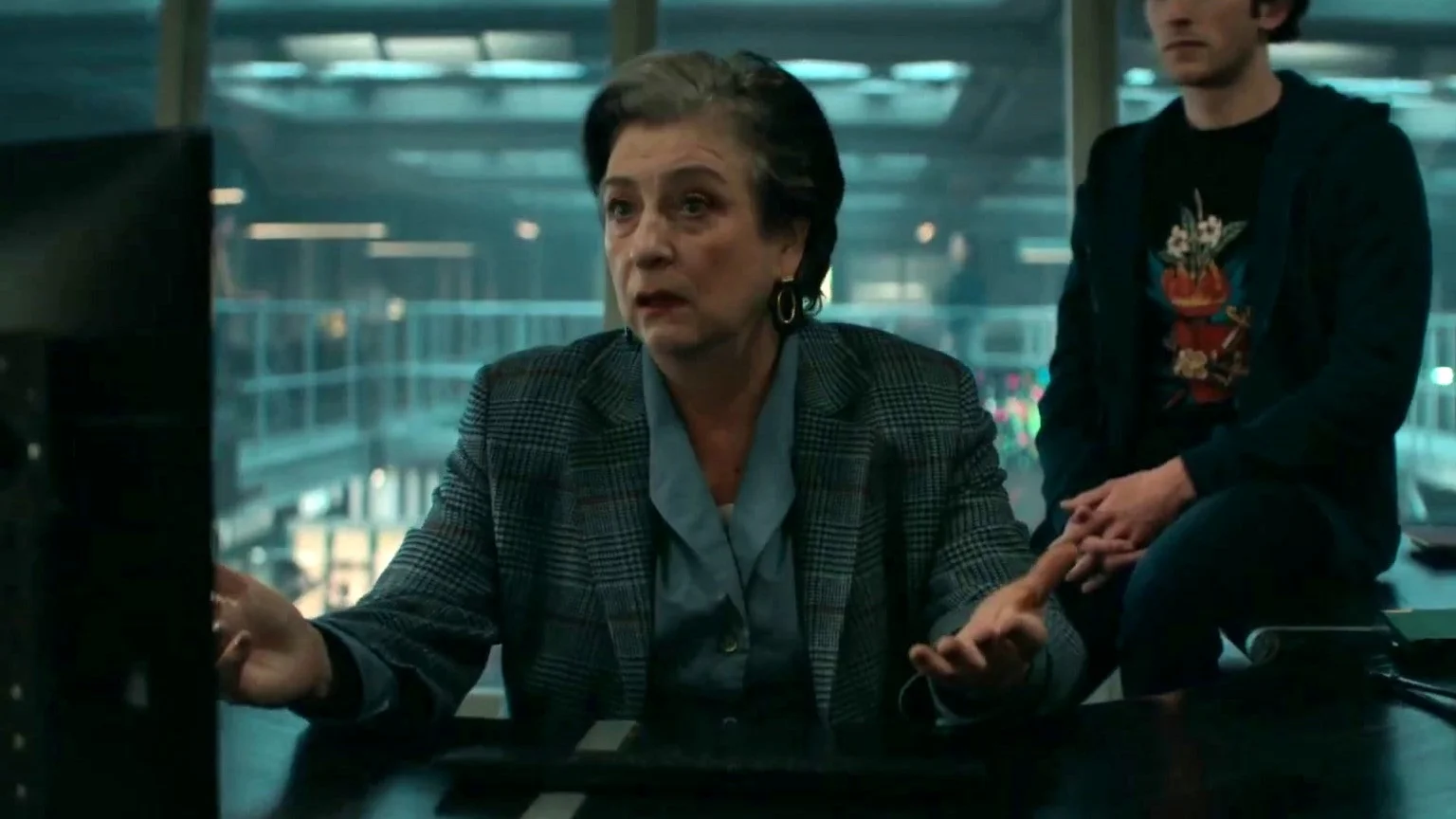

Some viewers come across The Lazarus Project after hearing that it was cancelled and wonder whether it is still worth the time. The series presents a high-concept sci-fi thriller built around time resets, secret missions, and characters who remember disasters that the rest of the world never experienced.
Its story unfolds over two seasons with a mixture of action, conspiracy, and personal conflict, which makes the viewing experience engaging for some audiences even though the narrative does not continue beyond that point.
A time-loop thriller where agents quietly reset the world after disasters no one else remembers
The Lazarus Project centers on the idea that a secret organization can reset time when catastrophic events threaten humanity. When a global disaster occurs—such as a nuclear accident or a large-scale attack—the group activates a reset that turns the calendar back several months. Only members of the Lazarus organization retain their memories of the previous timeline.
The story follows George Addo, an ordinary man who suddenly begins remembering events that no one else recalls. After experiencing a year that seems to repeat itself, he is recruited by the Lazarus Project and learns that he now belongs to a team responsible for protecting the world by restarting time when necessary.
Across the two seasons, the organization handles threats that range from political crises to experimental technologies capable of destabilizing entire countries. The structure of the show means that viewers often see events unfold once, then revisit them with new consequences after the timeline resets. This approach creates a mixture of action and investigation as the characters try to fix problems that have technically already happened.
The central mystery around George and the Lazarus organization that keeps the story engaging
A major reason the series holds attention early on is the mystery surrounding George’s connection to the Lazarus Project. At the start of the story, he believes he is simply losing his memory or experiencing hallucinations because the year around him appears to repeat.
When he discovers that the organization deliberately resets time, the narrative expands into a larger conspiracy. George must decide whether he truly trusts the Lazarus Project’s leadership or whether the group is manipulating global events for its own purposes.
Episodes frequently reveal new information about how the resets work and who controls them. George’s relationship with the organization’s leader, Wes, becomes a central tension point as George begins to question whether the resets always serve the greater good.
This mystery gives the show forward momentum. Each mission reveals additional pieces of information about the system that allows the organization to restart the timeline.
Repeating timelines and hidden consequences that make each mission feel different
Although the show revisits the same time periods more than once, the repeating structure does not simply replay events in the same way. Characters who remember previous timelines try to change outcomes, which leads to different consequences each time.
For example, a disaster that occurs during one timeline might be prevented after the reset, but that change could create a different problem later. The Lazarus team must constantly decide whether stopping one crisis might cause another.
This structure allows the series to show multiple possible outcomes of the same situation. A mission that fails in one version of the timeline may succeed in the next attempt after the team gathers new information.
Watching these variations unfold creates a sense of puzzle-solving. The audience gradually learns how the resets work alongside the characters, which adds depth to the action sequences and investigations.
Strong character dynamics inside the Lazarus team that give the sci-fi premise emotional weight
While the science fiction concept drives the plot, much of the show’s emotional impact comes from the relationships among the Lazarus agents. Members of the team have lived through multiple versions of the same events, which creates a unique kind of shared history.
George forms connections with colleagues who remember tragedies that technically never happened in the current timeline. These relationships give the story emotional stakes because the characters carry memories of losses that no one else recognizes.
Conflicts within the team also become part of the drama. Some members believe the organization’s mission justifies any decision, while others question whether rewriting time repeatedly causes moral consequences.
These personal dynamics help anchor the high-concept premise in recognizable human reactions. The series spends time showing how the agents cope with responsibility, guilt, and loyalty after witnessing events erased from reality.
The challenge of a cancelled series leaving some story threads unresolved
The Lazarus Project ran for two seasons before being cancelled, which means the story does not reach a fully planned conclusion. By the end of the second season, several major narrative threads remain open.
The organization’s long-term control over time resets remains uncertain, and George’s role within the system continues to evolve. Certain antagonists and political forces connected to the resets are introduced but not completely resolved.
Because the show was building toward larger consequences involving the repeated manipulation of time, the final episodes feel more like the midpoint of a continuing story than a final chapter.
This does not make the two seasons incomplete in every sense. Many individual missions and character arcs reach temporary resolution, but the wider narrative leaves room for additional development that never arrives.
Plot complexity and shifting timelines that may confuse viewers expecting a straightforward story
Another factor that affects the viewing experience is the complexity of the timeline mechanics. The show frequently jumps between different versions of the same year while revealing how earlier resets influence later decisions.
For viewers who prefer linear storytelling, this structure may require careful attention. Characters sometimes refer to events that occurred in previous timelines that no longer exist in the current reality.
The series explains the rules gradually, but the narrative assumes that the audience is willing to follow the shifting cause-and-effect relationships created by the resets.
Those who enjoy detailed science fiction concepts may find this complexity engaging, while others might feel that the story becomes harder to follow as the seasons progress.
Viewers who enjoy layered sci-fi thrillers about time manipulation tend to appreciate this series
The Lazarus Project tends to resonate most strongly with viewers who enjoy science fiction stories built around complicated systems. The show spends significant time examining how time manipulation affects politics, personal relationships, and ethical choices.
Fans of series that combine espionage elements with speculative technology often find the format appealing. The mix of covert missions, international crises, and philosophical questions about altering history creates a distinctive style.
Because the show focuses heavily on its central concept, viewers who prefer straightforward action or lighter storytelling may find the narrative slower or more analytical.
The series works best for audiences interested in speculative ideas about time and the long-term consequences of changing events.
Even without a continuation, the journey through its two seasons can still feel worthwhile
Spending time with The Lazarus Project offers a complete experience in terms of character development and individual missions. Across two seasons, the story explores how George transitions from an ordinary civilian into a central figure within the organization controlling time resets.
The show builds a layered science fiction premise and gradually reveals the implications of its technology. Each season expands the scale of the conflict, moving from isolated incidents to questions about whether humanity should possess the ability to rewrite history.
Even though the narrative stops before fully resolving its larger conspiracy, the episodes provide a consistent mixture of action, investigation, and character drama. The structure allows viewers to see multiple outcomes of the same events and watch the team struggle with the consequences of their decisions.
Taken as a two-season story about the ethics and dangers of resetting time, the series delivers a substantial amount of material. Based on the overall experience of the story and characters, The Lazarus Project is worth watching.
Other time-loop and secret-organization stories to try if The Lazarus Project leaves you wanting more
- 12 Monkeys – This series follows a time traveler attempting to stop a future pandemic, combining shifting timelines and conspiracies in a similar way.
- Dark – A German sci-fi drama built around interconnected timelines and hidden family histories that gradually reveal a complex time paradox.
- Travelers – A team from the future secretly inhabits present-day bodies to prevent global disasters, blending mission-based storytelling with time manipulation.
- Edge of Tomorrow – A film about a soldier reliving the same battle repeatedly while learning how to defeat an alien invasion.
- Counterpart – A suspenseful series about parallel worlds and secret agencies managing the fragile balance between two realities.
