
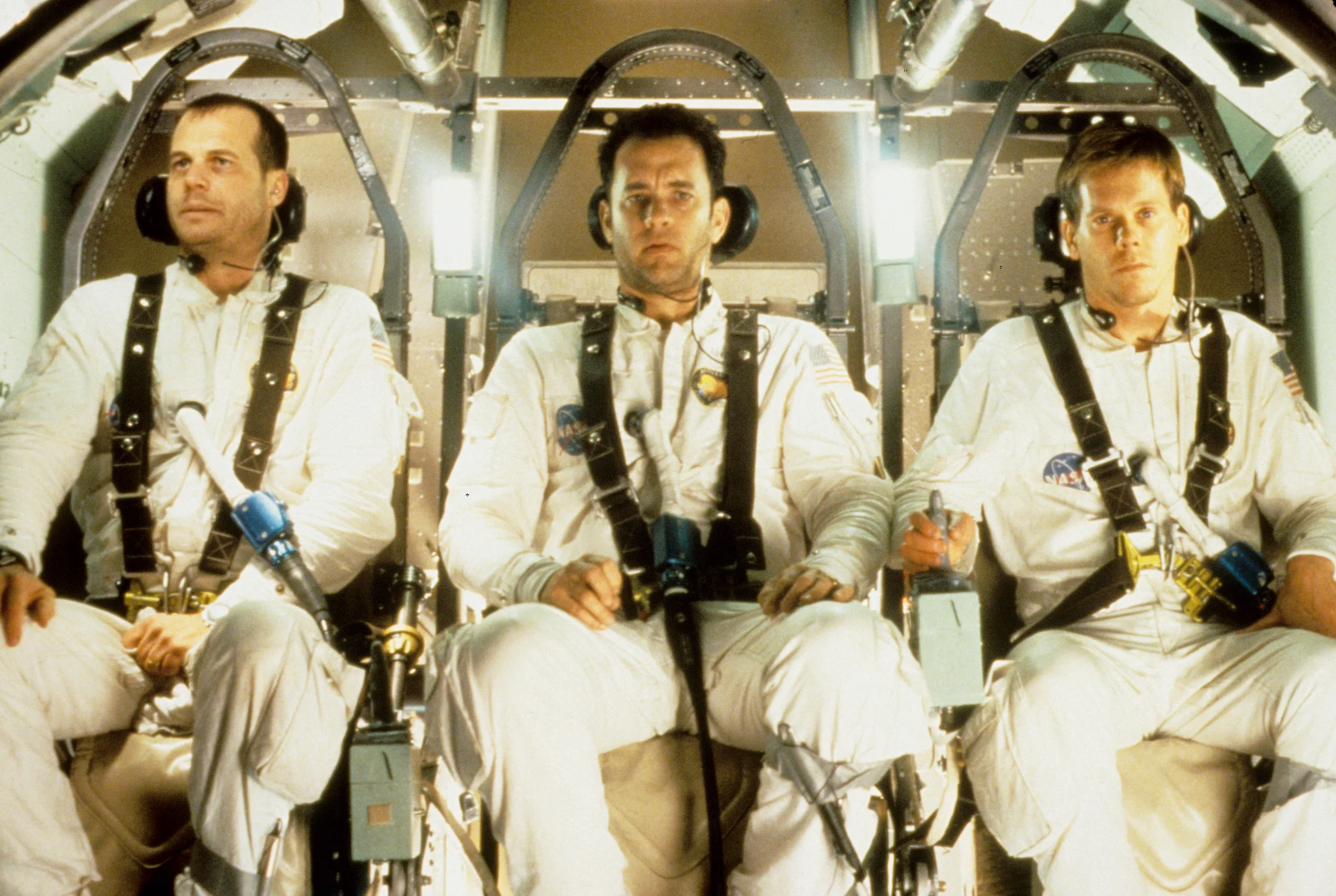

Deciding whether Apollo 13 is suitable for children often comes down to how comfortable a family is with serious, tension-filled storytelling based on real events.
The film presents a high-stakes space mission where danger unfolds gradually, relying more on suspense and emotional pressure than on action or spectacle. While there is no graphic content, the intensity and realistic tone can shape how different age groups experience it.
Considering Apollo 13 as a shared viewing experience with children
Apollo 13 is grounded in a real historical crisis, and that realism defines the entire viewing experience. Children watching it will see adults working under extreme pressure, facing life-threatening problems without clear solutions. There is no fantasy element to soften the situation, which makes the story feel serious from the start.
As a shared viewing experience, the movie often works best when adults are present to provide context. Many scenes involve technical discussions, quiet decision-making, and moments of concern that benefit from explanation, especially for children who are unfamiliar with space travel or historical dramas.
The serious, realistic tone and how it shapes the movie’s overall mood
The tone of Apollo 13 is focused and restrained. Music, lighting, and dialogue are all used to reinforce the seriousness of the situation rather than to lighten it. Children will likely notice that there are very few moments of humor and almost no scenes meant to relax the audience.
This steady seriousness can feel heavy for younger viewers who are used to clearer emotional highs and lows. The mood rarely shifts into relief until late in the story, which may make the experience feel long or emotionally demanding for children with shorter attention spans.
Moments of danger and tension that may feel stressful for younger kids
Much of the film’s tension comes from the constant threat to the astronauts’ lives. Children will see equipment failures, oxygen shortages, and the fear of not being able to return home safely. While there is no on-screen injury or graphic imagery, the danger is communicated through dialogue and reactions.
Younger children may find these situations stressful rather than exciting. Extended scenes of characters worrying, calculating risks, and confronting possible death can create anxiety, especially for kids who are sensitive to stories where outcomes are uncertain for a long time.
How the space mission setting affects understanding and attention
Apollo 13 relies heavily on technical language related to space travel, engineering, and physics. Terms are often explained indirectly through conversations between adults, not through simplified exposition aimed at children. This can make it harder for younger viewers to follow exactly what is happening.
Children may grasp the basic idea that something has gone wrong and needs to be fixed, but the details of how and why may be confusing. For some kids, this leads to disengagement during slower, more technical scenes, even if the broader story remains understandable.
Emotional themes around fear, teamwork, and responsibility
The emotional core of the movie centers on fear, trust, and responsibility. Astronauts rely on each other to survive, while teams on Earth work together to bring them home. These themes are presented in an adult, understated way rather than through overt emotional moments.
Children may notice the seriousness of adults carrying responsibility for others’ lives, which can prompt questions about danger, risk, and decision-making. While these themes are positive in nature, they require a level of emotional maturity to process comfortably.
Scenes and ideas that many children may find inspiring or engaging
Despite its seriousness, the film does contain elements that children often respond to positively. The idea of astronauts working together in space, the ingenuity used to solve problems, and the emphasis on cooperation can be engaging. Some children may find the problem-solving aspects motivating and impressive.
The absence of profanity, sexual content, or graphic violence also makes the film feel safer in a traditional sense. Kids who enjoy science, space, or real-life heroism may connect with the perseverance shown by the characters.
Why some parts may feel slow, confusing, or heavy for younger viewers
Large portions of the movie focus on planning, discussions, and waiting for outcomes. These scenes are essential to the story but lack visual action. Younger children may struggle to stay focused during these stretches, especially when the stakes are explained through dialogue rather than visuals.
The emotional weight of adults quietly confronting possible loss can also feel heavy. Without clear moments of relief, some children may lose interest or feel unsettled rather than entertained.
Where this movie tends to work best in terms of age and maturity
Apollo 13 generally works best for children aged 10+ who can handle sustained tension, serious themes, and slower pacing. At this age, kids are more likely to understand the basic context, appreciate teamwork and problem-solving, and manage the emotional stress of the situation. Younger children under 10 may find the movie confusing or emotionally intense and often need guidance or discussion to process what they are seeing.
