
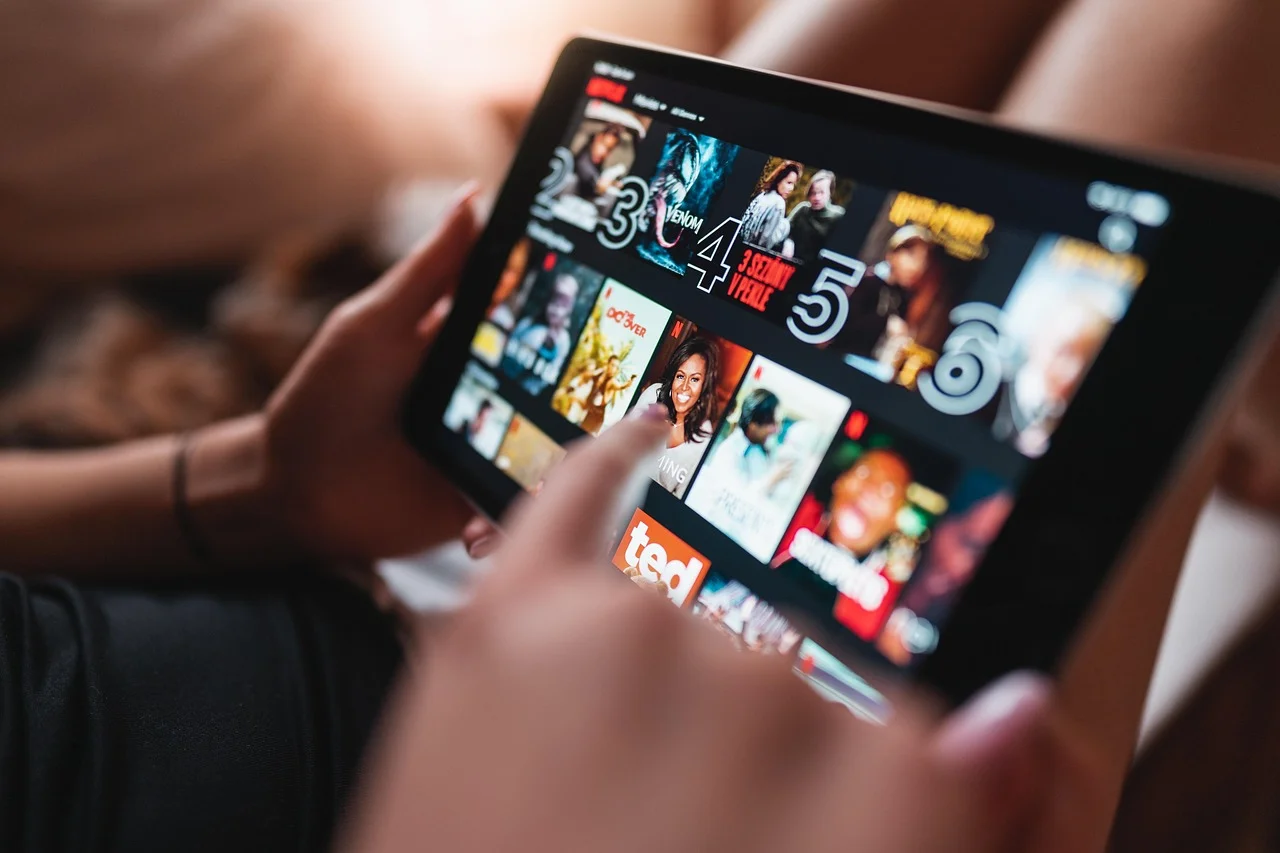

Watching movies and television has changed dramatically over the past two decades. Instead of browsing shelves in a video store or waiting for scheduled broadcasts, viewers now open a streaming platform and instantly receive suggestions tailored to their interests.
These recommendations often feel uncannily accurate, as if the platform understands individual taste. Behind this experience lies a complex interaction between automated algorithms and human decision-making.
How streaming platforms learn from viewer behavior
Streaming services rely heavily on recommendation algorithms. These systems analyze enormous amounts of data generated by users: what people watch, how long they watch it, when they pause, skip, or abandon a program, and how often they return to certain genres. Each interaction becomes a signal that helps the platform refine its suggestions.
For example, if someone consistently watches science fiction series and documentaries about space, the algorithm interprets this pattern as a preference. The platform then prioritizes similar titles in its recommendations. Over time, the system builds a detailed profile of viewing habits, identifying connections between thousands of users with overlapping interests.
This process creates a feedback loop. As viewers follow recommendations, the algorithm gathers more information about their choices, allowing it to generate even more targeted suggestions. The experience can feel personalized, though it is driven by statistical patterns rather than a deep understanding of individual taste.
The design of recommendation interfaces
Algorithms do not influence viewers only through invisible calculations. Their impact is also reflected in the design of streaming interfaces. Rows of suggested titles, highlighted banners, and auto-playing previews guide attention toward certain programs.
Most viewers rarely scroll endlessly through the entire catalog of a streaming service. Instead, they choose from the first few options presented to them. Because of this behavior, the order in which titles appear has a powerful effect on what gets watched.
Platforms carefully organize these rows using algorithmic predictions. If the system believes a particular show matches a user’s interests, it may appear prominently on the home screen. This placement increases the likelihood that the viewer will select it.
In this way, recommendation systems shape the environment in which choices occur. Rather than controlling decisions directly, they influence what viewers notice first.
The role of human curiosity and personal taste
Despite the sophistication of algorithms, human curiosity remains an important factor. Viewers often watch programs for reasons that go beyond automated recommendations. A friend’s suggestion, a cultural trend, or a striking trailer can inspire someone to try something completely different from their usual preferences.
Personal mood also affects viewing choices. A person who usually watches complex dramas may occasionally prefer light comedies after a long day. These decisions may not align with the patterns detected by an algorithm.
Additionally, many viewers actively search for new experiences. They browse categories, read reviews, or explore titles outside the platform’s suggestions. This behavior reflects a desire for discovery that algorithms cannot fully predict.
Human taste is therefore dynamic rather than fixed. It evolves through experiences, conversations, and curiosity about unfamiliar genres.
The influence of popularity signals
Streaming platforms often highlight titles labeled as “trending,” “most watched,” or “popular today.” These signals introduce a social dimension to the viewing experience. Even if a recommendation algorithm selects titles based on individual preferences, popularity indicators encourage viewers to consider what others are watching.
Psychologically, people tend to trust collective behavior as a guide to quality. If many viewers are discussing a particular series, others may feel motivated to watch it in order to participate in the cultural conversation.
This phenomenon demonstrates that viewing choices are rarely isolated decisions. Social influence continues to shape entertainment habits, even in a highly personalized streaming environment.
Editorial teams behind the scenes
Although algorithms play a central role in recommendation systems, human curators also contribute to what viewers see. Many streaming platforms employ editorial teams that organize collections, highlight new releases, and create thematic categories.
For example, a service might feature a curated section dedicated to classic thrillers or international dramas. These collections reflect human judgment about what might interest audiences at a given moment.
Editorial teams also shape promotional campaigns. A platform may choose to emphasize certain titles through trailers, homepage banners, or marketing partnerships. These decisions influence which programs gain visibility and which remain less noticed.
The combination of algorithmic analysis and editorial selection creates a hybrid system in which both machines and people shape the viewing landscape.
Algorithmic bias and content visibility
Recommendation systems do not treat every title equally. Because algorithms rely on existing viewing patterns, popular content tends to become more visible over time. Shows that already attract large audiences are recommended more frequently, reinforcing their success.
This dynamic can make it difficult for smaller or experimental productions to gain attention. If an algorithm prioritizes titles similar to what users have previously watched, new or unconventional stories may appear less often in recommendation lists.
As a result, viewers may unknowingly encounter a narrower range of content than what is actually available. While the platform appears to offer endless variety, algorithmic filtering shapes which options are most visible.
Understanding this effect helps explain why certain shows dominate cultural conversations while others remain relatively obscure.
The illusion of effortless discovery
One of the most appealing features of streaming platforms is the sense that finding something to watch requires little effort. A user opens the app and immediately sees personalized suggestions.
However, this convenience can create an illusion of discovery. The viewer may feel that they are freely exploring the catalog, while in reality the platform has already filtered thousands of titles into a smaller set of recommendations.
This does not eliminate choice, but it structures the process. The viewer selects from options that have been prearranged by the system.
The result is a partnership between human decision-making and algorithmic guidance. Each side influences the outcome, often without the viewer consciously recognizing the interaction.
A shared responsibility for what we watch
The relationship between streaming algorithms and human taste is not a competition in which one side fully controls the outcome. Instead, it functions as a dynamic collaboration.
Algorithms analyze patterns and predict what viewers might enjoy. Humans bring curiosity, emotional context, and unpredictable preferences to the decision-making process. Social influence, marketing, and editorial choices also play important roles.
In practice, the shows people watch emerge from all of these factors combined. A recommendation might introduce a viewer to a series they would never have searched for independently, while personal curiosity might lead them to ignore the algorithm’s suggestions entirely.
Streaming technology has reshaped how audiences encounter entertainment, but it has not replaced individual choice. Instead, it has created a new environment where human taste and automated systems constantly interact, shaping the stories that find their way onto our screens.
