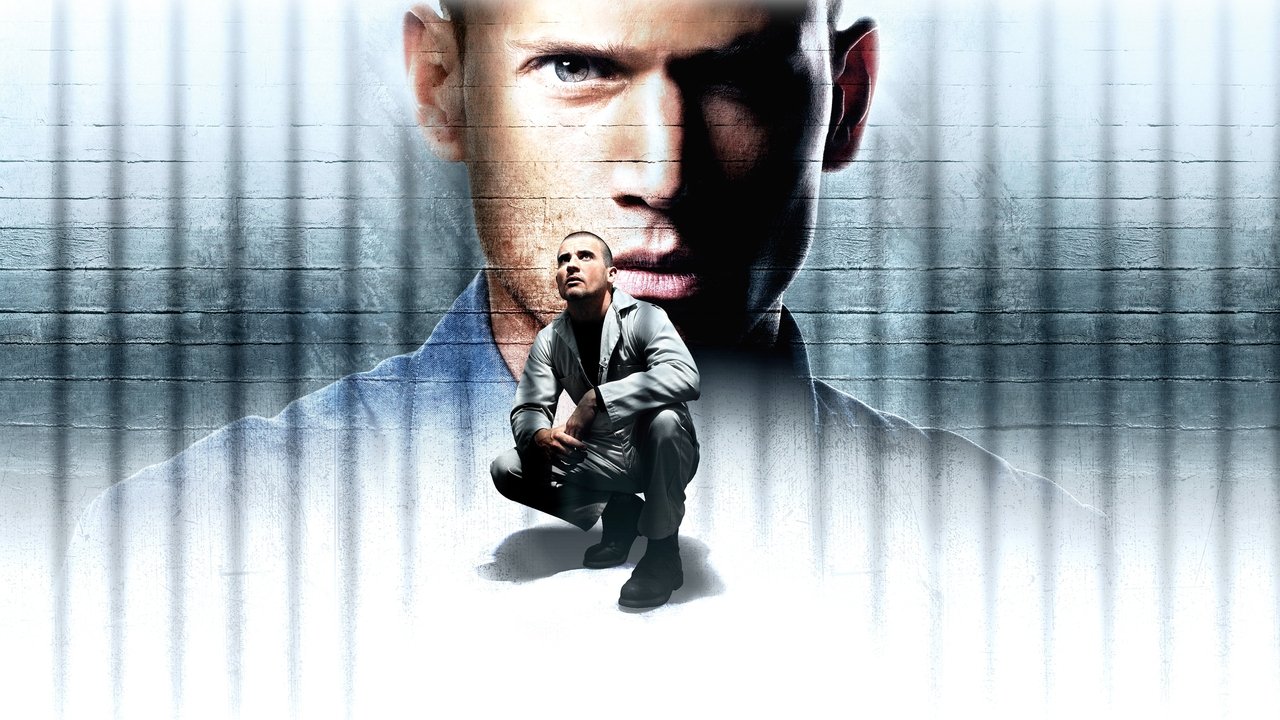

Prison Break begins with a premise so lean and high-stakes that it barely feels like a network drama at first. Michael Scofield walks into Fox River State Penitentiary with a plan hidden in plain sight, and the early episodes turn every corridor, every cell block, and every glance from a guard into part of the mechanism. Season 1 is built like a puzzle box: tightly plotted, claustrophobic, and always aware that one bad move could collapse everything.
That structure is a big part of why the first season feels so different from what follows. Once the story moves beyond the prison walls, Prison Break becomes a broader conspiracy thriller, changing shape as often as the fugitives change location. The later seasons still carry the show’s signature urgency, but they trade the original’s contained pressure for a more sprawling, unpredictable game. What makes Season 1 stand apart is not just that it happens in a prison, but that the prison itself is the entire engine of the series.
A story built around one airtight objective
Season 1 has a single, clean mission: get Lincoln Burrows out before his execution date arrives. Everything in the season is organized around that deadline, which gives even small scenes a sense of movement. Characters are not just talking; they are adding pieces to a plan, testing trust, or discovering new obstacles. The result is a story that feels unusually focused for a series with such an elaborate setup.
Later seasons still involve escape, pursuit, and danger, but the narrative becomes less singular. Once the central prison-break premise is complete, the show has to keep reinventing its stakes. That can create momentum, but it also means the storytelling becomes more dependent on new complications, shifting alliances, and broader conspiracies. Season 1, by contrast, gets its power from the simplicity of the mission and the relentless forward motion it creates.
Fox River is not just a setting, but a system
What makes Season 1 feel so distinctive is how fully Fox River shapes the action. The prison is not background scenery; it is a machine with rules, routines, factions, and physical limits. Michael’s tattooed map, the plumbing routes, the infirmary, the yard, the guard schedule, and the prison hierarchy all matter because the setting constantly pushes back. Every success has a cost, and every shortcut has a consequence.
As the series expands beyond Fox River, that intense spatial focus loosens. Roads, safe houses, offices, and cities replace the confined architecture that once defined every move. The later seasons can widen the world, but they lose some of the constant friction that came from one tightly controlled environment. Season 1 keeps reminding viewers that escape is not an abstract idea; it is a problem of walls, timing, and proximity.
Michael and Lincoln anchor the season’s emotional shape
The relationship between Michael Scofield and Lincoln Burrows gives Season 1 its emotional center. Michael’s plan is astonishingly elaborate, but it is never presented as a stunt. It is an act of loyalty carried to the point of self-destruction. Lincoln, meanwhile, is not simply a wrongfully accused man waiting to be saved; he is a brother whose fate gives the entire story its urgency and moral weight.
Later seasons broaden the ensemble and spread attention across more storylines, which can dilute that original emotional line. Michael and Lincoln remain important, but the show increasingly has to balance their bond against government conspiracies, new threats, and shifting group dynamics. In Season 1, their relationship is the reason the story exists, and almost everything else grows outward from that fact.
The season’s suspense comes from small moves, not big reveals
Season 1 is at its strongest when it treats progress as fragile. A successful exchange, a concealed object, or a carefully timed conversation can be more suspenseful than an action scene because the show understands how little room the characters have for error. The tension often comes from ordinary routines: who is watching, who is missing, who asks the wrong question at the wrong time.
That makes the season feel methodical in a way the later episodes do not always match. As the series moves into larger-scale plotting, it leans more often on twists, reversals, and chases. Those elements are part of Prison Break‘s identity, but Season 1 is more rewarding because suspense grows naturally out of the prison environment and the careful labor of the escape plan. It is less about constantly resetting the board and more about surviving each move already on it.
The supporting cast is introduced as part of a living ecosystem
One reason Season 1 feels so complete is that the supporting characters are not just there to fill space. Inmates, guards, allies, and adversaries all have recognizable functions in the ecosystem of Fox River. Characters like Sucre, T-Bag, C-Note, Abruzzi, Dr. Sara Tancredi, and Captain Brad Bellick each add a different pressure point to the story. Some help the plan, some threaten it, and some do both depending on the moment.
As the series progresses, the ensemble becomes even larger and more dispersed, which can make the show feel more like an ongoing conspiracy web than a tightly woven prison drama. That expansion has its own appeal, but Season 1 is more striking because almost everyone matters to the same immediate goal. The prison’s social landscape is dense, and each relationship feels as if it could alter the entire plan.
Its tone is more controlled than the later, more chaotic seasons
Season 1 has a cool, deliberate confidence. Even when the stakes are intense, the show often plays scenes with precision rather than frenzy. The visual style reinforces that mood: narrow hallways, muted colors, and hard surfaces make the prison feel severe and enclosed. Michael’s calm exterior also helps define the season’s tone, since he frequently appears to be several steps ahead while the people around him are still reacting.
Later seasons lean harder into chaos. There are more escapes, more reversals, more international movement, and a greater sense that the story is constantly outrunning itself. That can make the series more volatile, but it also changes the emotional texture. Season 1 is distinctive because it feels disciplined. Even when it is surprising, it is not scattered. The show knows exactly what kind of tension it wants and how to hold it.
Genre shifts change the identity of the series
At its core, Season 1 is a prison thriller with conspiracy elements. The later seasons increasingly behave like a chase story, a fugitive drama, and at times a full-on serialized conspiracy thriller. That shift is important because it changes what viewers are watching for. In Season 1, the suspense is about whether the escape is possible at all. Afterward, the suspense often becomes about survival, exposure, and who is manipulating whom.
This change in genre balance is one of the biggest reasons the first season stands apart. A prison drama naturally thrives on confinement, routine, and pressure. A fugitive story thrives on movement and reinvention. Prison Break can do both, but Season 1 is the version most perfectly matched to its premise. It feels like a show that had found the ideal form for its central idea before it had to expand beyond it.
Season 1 leaves room for mystery in a way the later seasons cannot
Because the series begins with such a strong central hook, it can spend Season 1 building layers of doubt around the official story without exhausting them too quickly. The conspiracy behind Lincoln’s conviction gives the season an ominous backdrop, but it does not have to fully explain everything at once. That balance keeps the focus on the escape while still hinting that the prison is only one part of a larger machine.
Once the story moves on, the conspiracy elements become more prominent and more elaborate, which changes the rhythm. Later seasons often have to answer, complicate, or replace earlier mysteries, while Season 1 benefits from restraint. It understands that not every secret needs to be unveiled immediately. The uncertainty hanging over Fox River is part of what makes the season memorable, because it lets the prison break feel urgent without making the world feel overexposed.