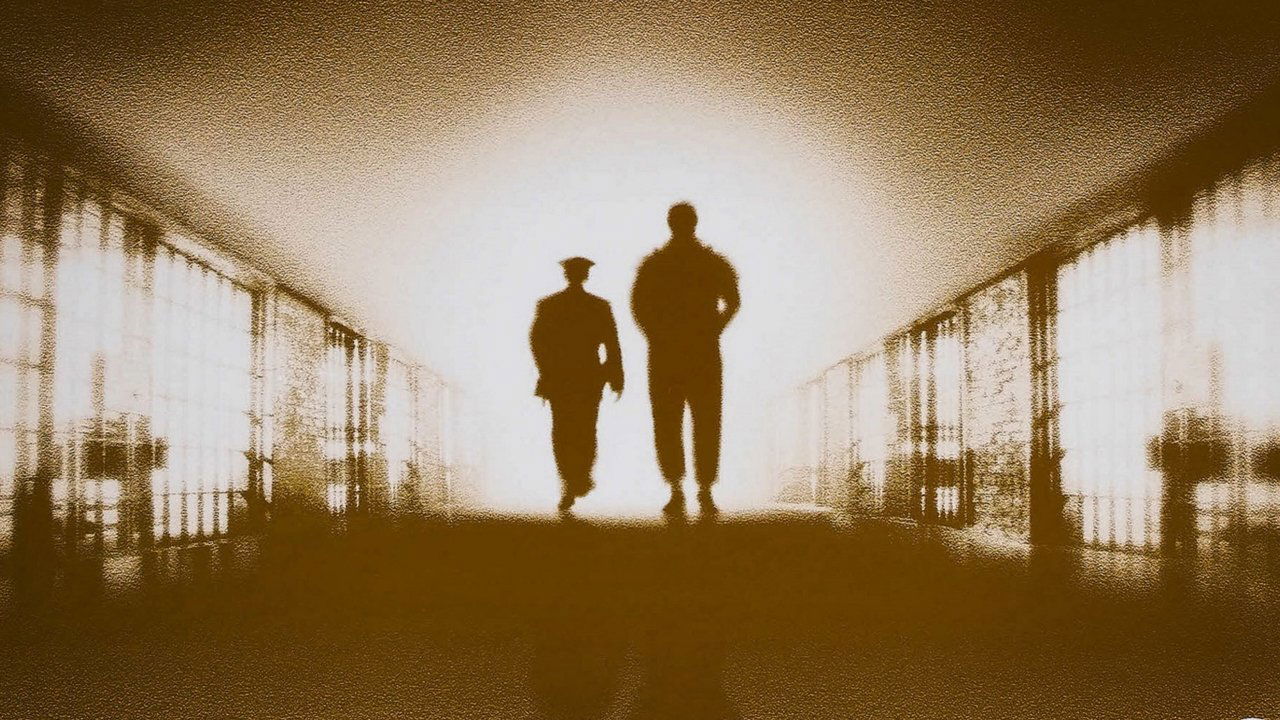

The Green Mile began as a serialized novel by Stephen King, published in six monthly installments before being collected as a single book in 1996. Frank Darabont’s 1999 film adaptation keeps the novel’s central frame: former death-row prison guard Paul Edgecomb looks back on the events surrounding John Coffey, a condemned man whose gentleness and strange healing gift upend the routines of Cold Mountain Penitentiary.
The film is unusually faithful in tone, characters, and major plot turns, but it still makes meaningful changes in structure, emphasis, and detail. Those differences matter because the novel’s long, reflective format allows for more digression, more interiority, and more side stories, while the movie has to condense the same material into a tighter emotional arc. What changes most is not the basic story, but the way it is organized and the weight given to certain supporting characters, scenes, and thematic ideas.
A serialized novel becomes a streamlined film
King’s book was originally published in parts, and that serial structure shapes the reading experience. It pauses for observation, memory, and atmosphere, letting the prison feel lived-in over a longer span of time. The novel spends more time with the daily rhythms of death row, the routines of the guards, and the slow accumulation of dread and wonder that surrounds John Coffey’s arrival.
The film keeps the same basic chronology, but it moves with greater urgency. Darabont compresses transitions and trims material that would slow the dramatic momentum on screen. That means the movie feels more focused on a single chain of causes and effects: Coffey arrives, reveals his power, alters the lives of the guards, and becomes the moral center of the story. The book’s broader pacing gives more room for atmosphere; the movie gives more room to emotional clarity.
Paul Edgecomb’s memory is narrowed into a cleaner frame
In the novel, the retrospective structure gives Paul’s recollections a slightly looser, more expansive shape. He is still the narrator’s organizing consciousness, but the book spends more time allowing him to reflect on the people and events around him. That reflective mode helps the story feel like a long testimony, with the prison setting unfolding through memory rather than immediate action.
The film uses the same framing device, but it simplifies the present-day material so the past dominates the experience. The retirement-home sequences are shorter and more contained, and the movie relies less on the texture of Paul’s old age than on the emotional power of what he remembers. This shift makes the adaptation less about the act of recollection itself and more about the tragedy of what happened on the Green Mile.
Several supporting characters are reduced or combined
One of the clearest differences is the handling of the supporting cast. The book has more space for minor officers, prisoners, and people who briefly enter the prison world, which helps make the setting feel crowded and institutional. Some figures have more descriptive presence on the page than they do on screen, even when their narrative function is small.
The film trims that material to keep attention on the central group: Paul, Coffey, Percy, Brutus, Dean, Delacroix, and Hal. This is not just a matter of cutting extraneous names. It changes the emotional shape of the story by tightening relationships and making each major character stand for a clearer moral or dramatic role. On the page, the prison feels like a larger social ecosystem; on screen, it feels like a pressure cooker built around a few key personalities.
Percy’s cruelty is sharpened for the screen
Percy Wetmore is already unpleasant in the novel, but the movie makes his viciousness more immediate and concentrated. His bullying, incompetence, and entitlement are designed for maximum irritation, and the film makes him a more overt source of tension in scenes that need quick dramatic friction. The adaptation does not invent his role, but it heightens his function as an antagonist within the block.
That emphasis changes how the story’s moral imbalance lands. In the book, Percy can feel like one ugly part of a broader system. In the film, he more often becomes the face of that system’s small-minded cruelty. By making him more sharply drawn, the movie intensifies the contrast between the prison’s ordinary pettiness and Coffey’s extraordinary compassion.
Delacroix and Mr. Jingles are adjusted for emotional efficiency
Eduard Delacroix’s relationship with the mouse Mr. Jingles is one of the novel’s most memorable threads, and the film keeps it intact. Even so, the book has more room to let that bond develop gradually and to linger on Delacroix’s personality outside of a few key scenes. The novel’s longer form allows the mouse to become part of the block’s everyday life rather than only a symbol of innocence and hope.
The movie streamlines this arc so that Mr. Jingles becomes a faster emotional payoff. That makes the eventual heartbreak and miracle feel more immediate, but also more concentrated. The adaptation preserves the story’s tenderness, yet it compresses the time needed for that tenderness to settle into the viewer’s memory. The result is still moving, but it is more engineered around dramatic beats than the book’s slower accrual of affection.
Coffey’s healing ability is kept mysterious, but the film simplifies some elaboration
The novel gives more room to the uncanny qualities of Coffey’s gift, including the strange, almost mythic logic of how he absorbs illness and suffering. The book can pause to let the supernatural elements feel eerie, symbolic, and bodily all at once. Because it is longer, it can sustain uncertainty about whether the miracle is spiritual, magical, or both.
The film preserves that mystery, but it presents the effects in a more immediate and visual way. Scenes such as the healing of Paul’s urinary infection are staged to make the gift legible on screen without extended explanation. That clarity helps the movie maintain momentum, though it also reduces some of the book’s lingering ambiguity. The novel invites more contemplation about what Coffey is; the film mainly asks the audience to feel what he does.
Wild Bill’s backstory and the prison’s larger world are less expansive
William Wharton, known as Wild Bill, has a terrifying presence in both versions, but the novel has more room to suggest the broader criminal and institutional environment that produced and contains him. King’s book can extend outward from the cell block into the psychology of violence and the prison’s routines of containment. That makes Wild Bill feel like one manifestation of a wider darkness.
The film keeps him dangerous and volatile, but it trims some of the surrounding texture. As a result, Wild Bill functions more as a concentrated threat to the Green Mile’s fragile order than as part of a larger social landscape. This compression helps the movie stay centered on the main conflict, but it also means the prison world feels less sprawling than it does in the novel.
The ending is faithful in outcome but slimmer in reflection
The broad ending is the same in both versions: John Coffey is executed, Paul carries the burden of what he has witnessed, and the story closes on the long aftermath of that moral injury and miracle. The film does not change the essential outcome, and it retains the haunting sense that Paul has outlived the people and choices that defined his life.
What changes is the amount of space given to that aftermath. The novel lingers longer on memory, aging, and the uncanny consequences of Coffey’s gift, while the movie moves more directly to the emotional finality of loss. That makes the film more immediate and elegiac, but less meditative. The book leaves more room for the strange length of Paul’s life and the way the past keeps returning; the movie turns that same idea into a more concentrated act of grief.
Taken together, the differences do not rewrite The Green Mile; they reshape its emphasis. The novel’s serial length creates a wider, more reflective prison world with more texture around the margins, while the film narrows the material into a leaner emotional path centered on Coffey, Paul, and the burden of witnessing injustice. The adaptation’s changes mostly serve clarity and pacing, but they also make the story feel more singular, less sprawling, and more immediately tragic.