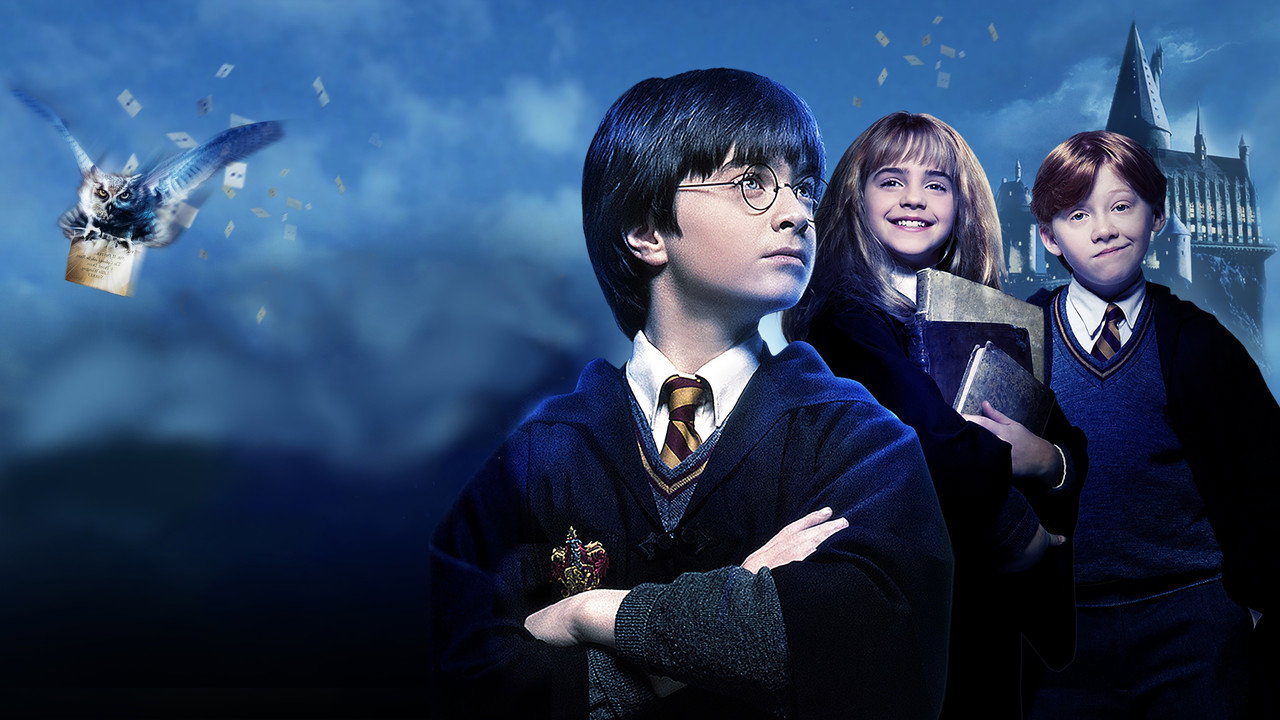

J.K. Rowling’s Harry Potter novels and the eight-film Warner Bros. adaptation follow the same core arc: an orphaned boy discovers he is a wizard, grows up at Hogwarts, and faces Voldemort in a war that reshapes the wizarding world. But the films are not a scene-by-scene translation. They compress sprawling books, shift emphasis away from Harry’s interior thoughts, and often streamline subplots so the central mystery and action can move faster on screen.
That makes the differences especially noticeable for readers who know the books well. Some changes are practical, like cutting minor characters or whole plotlines. Others alter tone and character balance, especially when the books spend more time on school life, house politics, or the moral ambiguity of the wizarding world. The result is not a separate story, but a different interpretation of the same material, shaped by the limits and priorities of feature filmmaking.
Harry’s Inner Voice Becomes External Plot
The biggest structural difference is that the books are filtered almost entirely through Harry’s perspective. Rowling can place the reader inside his uncertainty, jealousy, grief, and suspicions, which makes later revelations feel earned because we have been limited to what he knows. That also lets the books linger on everyday school life and on the emotional consequences of events that a film can only show briefly.
The movies can’t reproduce that same interiority, so they rely on dialogue, facial expressions, and visual shorthand. As a result, Harry sometimes reads as more reactive and less narratively observant than he does on the page. Important clues still appear, but the films often tell us what matters through plot beats rather than through Harry’s thought process, which changes the experience from mystery-by-perception to mystery-by-revelation.
Subplots and Side Characters Are Often Trimmed Away
The books repeatedly widen beyond Harry’s immediate quest. House-elves, Ministry politics, Hogwarts traditions, and minor student conflicts all help create the sense of a large, lived-in world. The films keep that atmosphere selectively, but many smaller threads disappear, especially when they do not directly affect Voldemort’s rise or Harry’s final confrontation with him.
This is most obvious in characters like Winky, Peeves, and several school-related subplots that help define the books’ texture but are largely absent from the screen version. The effect is cumulative: the films feel tighter and more urgent, but they also reduce the sense that Harry’s world is full of competing institutions, eccentric figures, and slow-building consequences. The story becomes more centered on the main trio and the central villainy.
Ron, Hermione, and the Trio Shift in Balance
On the page, Ron often functions as the trio’s link to wizarding culture and as a source of humor, loyalty, and tactical insight. Hermione is brilliant, but the books also give Ron more of the emotional and social grounding that keeps the group from feeling purely academic. Their roles are not perfectly symmetrical, but they are more evenly distributed than in many film scenes.
The movies tend to elevate Hermione’s competence and combine some of Ron’s book functions into her character, especially in moments of exposition or problem-solving. Ron also loses a number of his sharper, more useful book moments, which can make him feel less central than he is in the novels. This shift changes the trio’s dynamic: the films make Hermione a more dominant organizer, while the books more clearly present all three as indispensable in different ways.
The House-Elf Storyline Is Greatly Reduced
In the novels, the treatment of house-elves is one of the series’ recurring moral complications. Dobby matters from the beginning, and later books use Kreacher and the broader issue of magical servitude to question whether the wizarding world is as ethically enlightened as it likes to believe. Hermione’s advocacy for elf rights, though often treated as comic by other characters, still contributes to the books’ social world.
The films keep Dobby and Kreacher because they are directly relevant to later plot turns, but they mostly remove the broader political and ethical thread around house-elves. That omission matters because it trims away one of Rowling’s clearest examples of a fantasy world with embedded injustice. Without it, the adaptation simplifies the moral landscape and gives less weight to Hermione’s activism and to the wizarding world’s blind spots.
Whole Mysteries and Revelations Are Reordered or Simplified
Several books hinge on layered mystery structures, where multiple clues mislead Harry before the final explanation arrives. The films often preserve the endpoint but streamline the path. That can make the stories feel more direct, but it also removes some of the false leads, investigative work, and slow accumulation that make the books feel like detective fiction as much as fantasy.
Harry Potter and the Goblet of Fire is a strong example. The book spends a great deal of time on the Quidditch World Cup, the Triwizard Tournament buildup, and the investigation around who put Harry’s name in the Goblet. The film compresses this material sharply, which keeps the momentum up but makes the mystery feel less layered. Similar compression appears across the series, where explanations arrive with less narrative room to breathe.
School Life and Humor Are Narrowed
The books are full of classroom scenes, gossip, exams, pranks, and rule-breaking that make Hogwarts feel like a real school rather than only a backdrop for danger. That material matters because it contrasts ordinary adolescence with the series’ darker plot. It also gives the characters space to be funny, petty, bored, embarrassed, and socially awkward.
The films keep some of the humor, but they generally favor dramatic pacing over daily school rhythm. Many small comic beats are shortened or removed, and as the series grows darker, the balance tilts even more heavily toward plot and atmosphere. The result is that the film Hogwarts can feel grander and more cinematic, but less like the messy, crowded institution that the books inhabit for hundreds of pages.
Character Arcs Are Often Condensed into Single Moments
Because the novels have room to develop side relationships and long emotional transitions, character growth often unfolds gradually. Readers see Harry’s anger, Hermione’s frustration, Snape’s hostility, and Draco’s fear over extended stretches. That pacing makes the books’ emotional payoffs feel cumulative, even when the plots are busy.
The films often condense those arcs into a handful of visual scenes. Draco’s conflict, Snape’s complexity, and Harry’s maturation all remain present, but they are frequently communicated through shorthand rather than through repeated buildup. This does not erase the characters, but it changes how we understand them: the books invite extended moral uncertainty, while the films more often ask the audience to read meaning from selected key moments.
The Endings Keep the Same Outcome, but Not the Same Texture
The final victories in both versions are fundamentally the same: Voldemort is defeated, the wizarding world survives, and Harry’s journey reaches closure. Yet the novels usually take more time to explain why victory matters and what it costs. They also leave room for reflection, repair, and emotional resolution after the climactic action is over.
The films generally end more abruptly and with more visual finality. Their climaxes are built around spectacle and immediate closure, while the books often emphasize aftermath, moral reckoning, and the long shadow of the war. That difference affects the whole series’ feel: the novels present a broader, more morally layered world, while the films offer a more streamlined heroic saga. Both versions tell the same story, but they ask the audience to experience it through different priorities of pace, point of view, and emotional emphasis.