
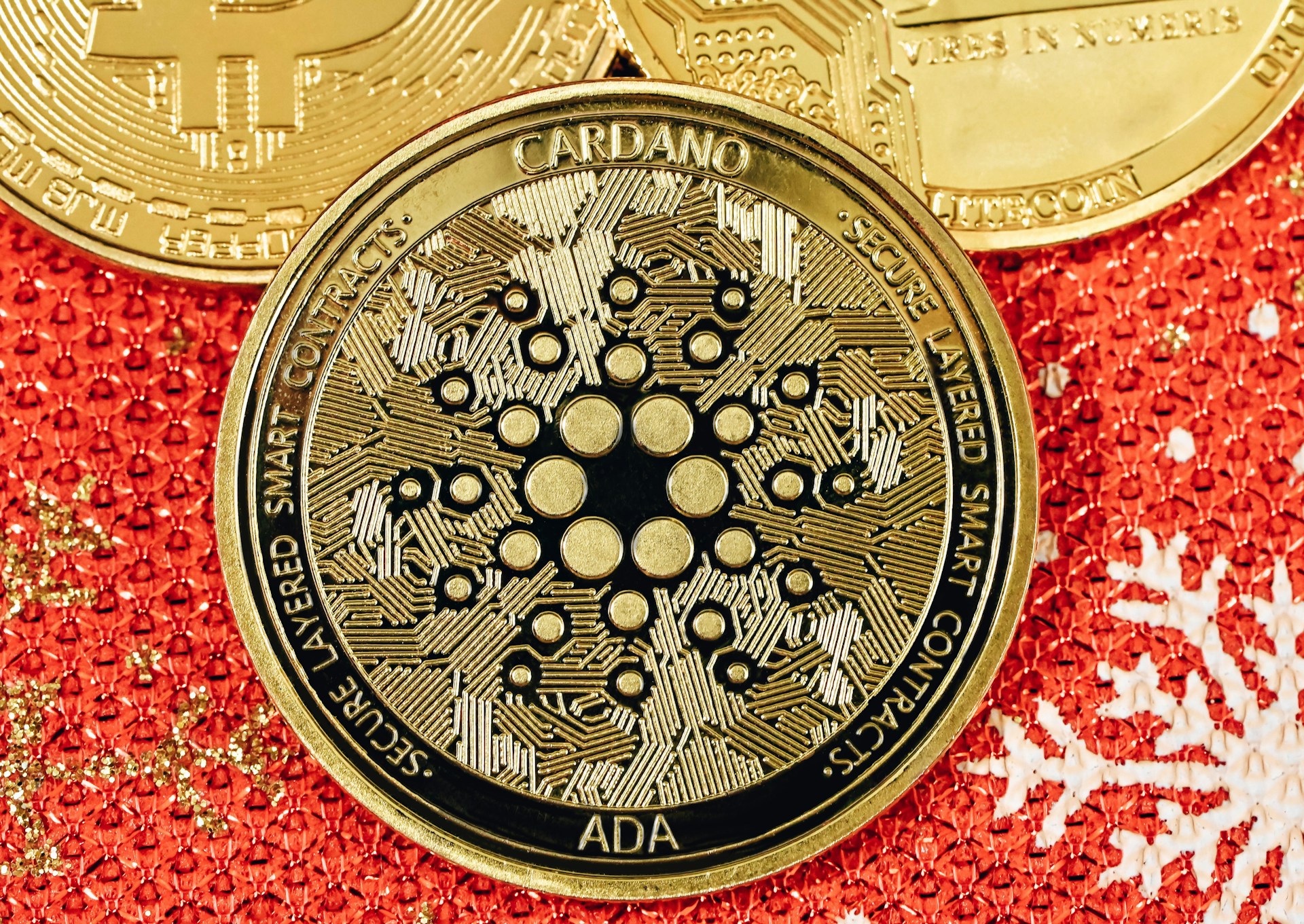

Volatility has long been one of the defining characteristics of cryptocurrency markets, and Cardano’s native token ADA is no exception.
Investors, developers, and analysts frequently discuss its price swings, questioning whether ADA represents high risk, high reward, or a balance between the two. Understanding ADA’s volatility requires examining its market behavior, factors influencing price movement, and how risk correlates with long-term potential. While volatility may create uncertainty, it also generates opportunity — especially in an emerging sector driven by innovation, evolving regulation, and global adoption.
Historical price action illustrates ADA’s journey through multiple market cycles. Like many cryptocurrencies, ADA has experienced periods of rapid appreciation followed by steep corrections. These fluctuations reflect both market sentiment and the timing of Cardano’s technological milestones. When the network achieved critical roadmap phases, such as staking through Shelley or smart contract implementation through Goguen, optimism drove increased demand. Conversely, development delays, shifting investor priorities, or broad market downturns contributed to price corrections. ADA’s volatility is not random; it corresponds to real events, expectations, and macroeconomic forces.
One of the reasons ADA is volatile is because it exists in a high-growth, early-stage industry. Blockchain technology is still defining its identity within global finance, supply chains, governance, and digital transformation. Markets adjust quickly as new data emerges. A regulatory announcement, a competitive upgrade, or shifting investor sentiment toward risk assets can affect prices dramatically. Cryptocurrencies like ADA are traded globally 24/7, which magnifies reactions to news and reduces the stabilizing influence found in traditional market hours.
ADA’s volatility also stems from its dual nature — as both a utility token for the Cardano ecosystem and a financial asset traded on global exchanges. Utility-based demand depends on the growth of decentralized applications, staking participation, and real-world use. Financial demand is influenced by speculation, hedge strategies, and institutional involvement. When utility growth aligns with market adoption, price increases may appear more sustainable. When speculation outweighs utility, price swings become more pronounced. Understanding which trend is dominant helps interpret risk.
On the risk side, investors must acknowledge that rapid price declines are possible. Unlike stable assets backed by collateral or fiat currency, ADA’s value is tied to adoption expectations. If rivals achieve faster growth or if blockchain sentiment weakens, the market may reassess ADA’s valuation. Development timelines, though methodical and research-driven, have occasionally influenced sentiment by elongating expectations. Furthermore, liquidity levels can contribute to volatility. Large transactions — whether institutional purchases or sales — may influence short-term price direction.
However, volatility also represents reward potential. ADA has demonstrated the ability to gain significant value when confidence aligns with technological progress. Staking provides recurring rewards without requiring token lockups, encouraging long-term holding. Expanding partnerships, especially those focused on decentralized identity and global infrastructure, reinforce Cardano’s narrative as a platform for sustainable innovation. If DeFi, governance, and cross-chain solutions continue aligning with Cardano’s roadmap, utility-based demand may deepen.
Risk management becomes essential for navigating ADA’s volatility. Long-term investors often focus on the fundamental strength of the project, including its scientific approach to development, energy-efficient infrastructure, and emerging governance model. Short-term traders may capitalize on momentum patterns, but doing so effectively requires understanding macroeconomic conditions affecting crypto markets — interest rates, regulation, liquidity cycles, and institutional appetite for digital assets. Because cryptocurrency reacts more aggressively than traditional markets to policy shifts or economic forecasts, ADA holders benefit from staying informed.
ADA’s volatility also depends on global adoption trends. The increasing presence of blockchain across finance, supply chains, gaming, and public institutions strengthens infrastructure-driven cryptocurrencies. If global adoption continues, volatility may decrease over time as liquidity increases and market maturity reduces speculative swings. Conversely, if adoption slows, volatility may persist or increase. This uncertain trajectory is part of the risk–reward equation inherent to emerging technologies.
Psychology influences ADA’s volatility as well. Emotional trading driven by fear of missing out or panic selling can accelerate market shifts. Social media and community sentiment amplify reactions. This variable can create both upward momentum and steep declines detached from underlying fundamentals. Understanding this dynamic helps investors assess whether price shifts reflect sustainable trends or emotional extremes.
Ultimately, evaluating ADA’s volatility requires a balanced perspective. It is high enough to present risk, yet structured enough around identifiable catalysts to present opportunities. ADA’s volatility is neither inherently negative nor purely speculative; it is a feature of its position within a rapidly evolving ecosystem. The reward potential depends on the success of Cardano’s scalable architecture, real-world integrations, and decentralized governance. The risk stems from competitive pressures, regulatory uncertainty, and the unpredictable nature of global markets.
For those willing to embrace both sides of volatility, ADA offers participation in a network focused on long-term transformation. The key is understanding volatility rather than fearing it. By viewing price movement through the lens of adoption, technology, and global sentiment, investors and developers can make informed decisions. ADA’s volatility reflects not only risk but the unfolding potential of a blockchain platform positioned for significant influence in the digital economy.
