
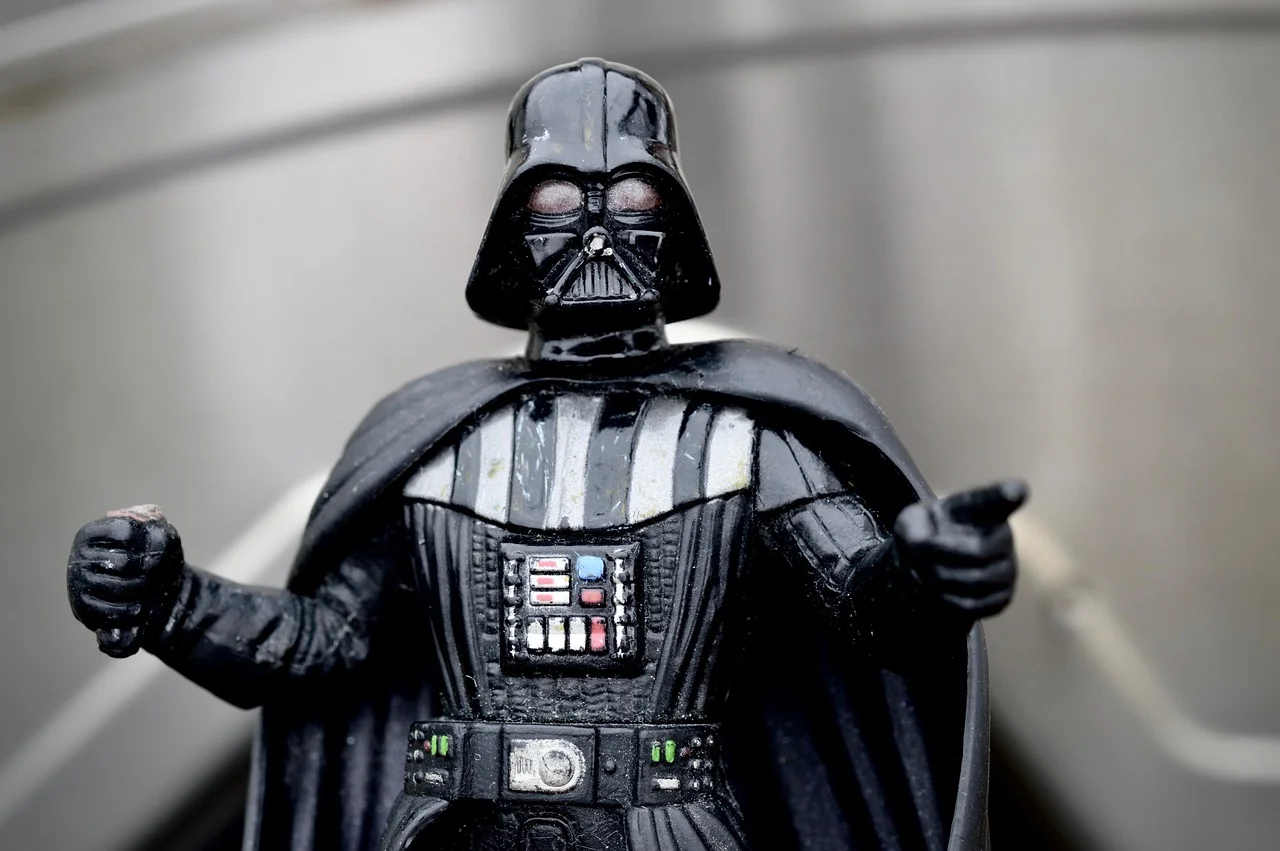

Stories have long relied on clear distinctions between heroes and villains. Traditionally, heroes represented moral strength and justice, while villains embodied corruption or cruelty.
Yet in modern storytelling, this boundary has become less rigid. Audiences increasingly find themselves supporting characters who operate outside conventional moral standards. Antiheroes—figures who may be ruthless, flawed, or morally conflicted—have become some of the most memorable characters in film, television, and literature.
The growing popularity of these characters raises an interesting question: why do people sometimes root for individuals who would normally be considered villains?
The appeal of moral complexity
One of the strongest reasons audiences connect with antiheroes is their moral complexity. Traditional heroes often represent clear ideals of goodness, courage, and integrity. While these traits can be inspiring, they sometimes feel distant from everyday human experience.
Antiheroes, on the other hand, frequently operate in morally uncertain territory. They may break rules, act selfishly, or pursue personal goals that conflict with social expectations. Yet these actions are often balanced with moments of vulnerability, loyalty, or emotional depth.
This mixture of virtues and flaws makes antiheroes feel more human. Viewers recognize elements of real-life moral dilemmas in these characters. The complexity encourages audiences to consider different perspectives rather than relying on simple labels of good and evil.
Identification with imperfect characters
Many people relate more easily to characters who struggle with weaknesses. Antiheroes tend to face internal conflicts that mirror real human experiences: ambition, regret, guilt, or the desire for redemption.
Unlike idealized heroes who rarely make serious mistakes, antiheroes often fail, hurt others, or question their own choices. These struggles make their journeys more recognizable. Viewers may see reflections of their own uncertainties and contradictions in these characters.
Identification does not mean approving of every action an antihero takes. Instead, it involves understanding the motivations behind those actions. When audiences recognize the emotional forces driving a character’s behavior, empathy can develop even if the character’s methods are questionable.
The fascination with rebellion
Antiheroes frequently challenge authority or social norms. They operate outside established rules, rejecting systems they see as corrupt or restrictive. This rebellious attitude can be compelling to audiences who feel constrained by societal expectations.
In many stories, antiheroes confront powerful institutions, criminal networks, or rigid hierarchies. Their willingness to ignore rules allows them to act decisively when traditional heroes might hesitate.
This defiance can create a sense of liberation for viewers. Even if audiences would never behave the same way in real life, watching a character break rules can feel exciting. The antihero becomes a symbolic expression of freedom from limitations.
Narratives that focus on transformation
Many antihero stories revolve around change. Characters begin in morally uncertain positions but gradually develop greater awareness of the consequences of their actions. Their journeys often involve attempts at redemption, personal growth, or emotional healing.
These transformations can be powerful storytelling tools. Watching a flawed character confront their past mistakes and seek a different path creates tension and anticipation. Audiences become invested in whether the character will evolve or remain trapped in destructive patterns.
The possibility of change gives antihero narratives emotional depth. Even when the character continues making questionable choices, the struggle itself becomes meaningful.
Exploring darker sides of human nature
Stories about antiheroes also allow audiences to explore darker aspects of human behavior in a safe environment. Fiction provides a space where difficult moral questions can be examined without real-world consequences.
Through antiheroes, narratives can explore themes such as revenge, ambition, corruption, and moral compromise. These themes reflect realities that exist within society but are not always openly discussed.
By presenting these elements through fictional characters, storytellers encourage reflection. Viewers can examine how power, fear, or desperation influence decisions. The antihero becomes a lens through which complex ethical situations can be explored.
The charisma factor
Another reason audiences root for antiheroes is simple charisma. Many of these characters possess strong personalities, intelligence, humor, or confidence that make them captivating to watch.
Charisma can shift the audience’s perception of morally questionable behavior. A character who speaks cleverly, demonstrates strategic thinking, or shows emotional depth may become appealing even if their actions remain controversial.
Writers often design antiheroes with distinctive traits that command attention. Whether through sharp dialogue, calculated decision-making, or unpredictable behavior, these characters dominate the narrative space.
This charisma helps maintain audience interest and strengthens the emotional connection between viewers and the character.
Changing expectations in modern storytelling
The rise of antiheroes also reflects broader changes in storytelling culture. Contemporary audiences often seek narratives that challenge traditional formulas. Simple moral divisions between heroes and villains may feel less satisfying than stories that acknowledge complexity.
Modern television and streaming platforms have contributed to this shift. Long-form storytelling allows writers to develop characters gradually over multiple seasons, revealing layers of personality and motivation.
In these formats, antiheroes can evolve in ways that would be difficult within shorter narratives. The audience gains time to understand their backgrounds, relationships, and psychological struggles.
As storytelling formats expand, characters with ambiguous morality become more common and more compelling.
The emotional tension of conflicting loyalties
Supporting an antihero often creates an interesting emotional tension for the audience. Viewers may recognize that a character’s behavior is harmful while still wanting them to succeed.
This tension keeps the story engaging. Audiences experience conflicting feelings as they watch the character navigate dangerous or morally questionable situations.
For example, a viewer might hope an antihero escapes punishment while simultaneously acknowledging that the character’s actions have caused harm. This emotional complexity deepens the viewing experience.
Stories that create such internal conflict encourage audiences to think more carefully about justice, loyalty, and accountability.
Why antiheroes continue to resonate
The popularity of antiheroes suggests that audiences value stories reflecting the complexity of human nature. Rather than presenting perfect heroes or purely evil villains, these narratives acknowledge that individuals often exist somewhere between those extremes.
Antiheroes reveal how circumstances, personal history, and emotional pressures influence behavior. Their stories highlight the tension between personal desires and moral responsibility.
Because of this realism, audiences often remain fascinated by these characters long after the story ends. Antiheroes invite viewers to consider difficult questions about identity, choice, and the boundaries between right and wrong.
Supporting these characters does not necessarily mean endorsing their actions. Instead, it reflects a deeper engagement with stories that capture the complicated nature of human experience.
