
Released in 1999, The Matrix built a futuristic world that still feels strangely legible today. Part of that staying power comes from how much information the film hides in plain sight. The surface-level story is easy to follow: Neo, a cautious computer programmer, learns that the reality he knows is a simulation and is drawn into a war against machine rule. But the movie also layers its story with visual coding, costume details, camera language, and small recurring motifs that quietly reinforce the idea that almost everything on screen has been designed to mean something.
Those details are especially useful because The Matrix is a film about perception. The movie repeatedly asks viewers to notice the difference between what seems real and what has been manufactured, controlled, or filtered. That theme shows up not only in the plot and dialogue, but in the color palette, the choreography, the way certain characters are framed, and even in the contrast between the “real world” and the simulated one. Many of the film’s most memorable touches are not hidden in the sense of being obscure; they are hidden because they are so integrated into the movie’s style that they can slip past you on a first watch.
Green, blue, and the movie’s visual code
One of the clearest recurring details in The Matrix is its use of color to separate realities and moods. The Matrix itself is often associated with a green cast, while the scenes aboard the Nebuchadnezzar and in the “real world” lean cooler and more metallic. That difference helps the audience track where they are before the plot even explains it. It also gives the film a visual logic that makes its world feel organized, if unsettlingly so.
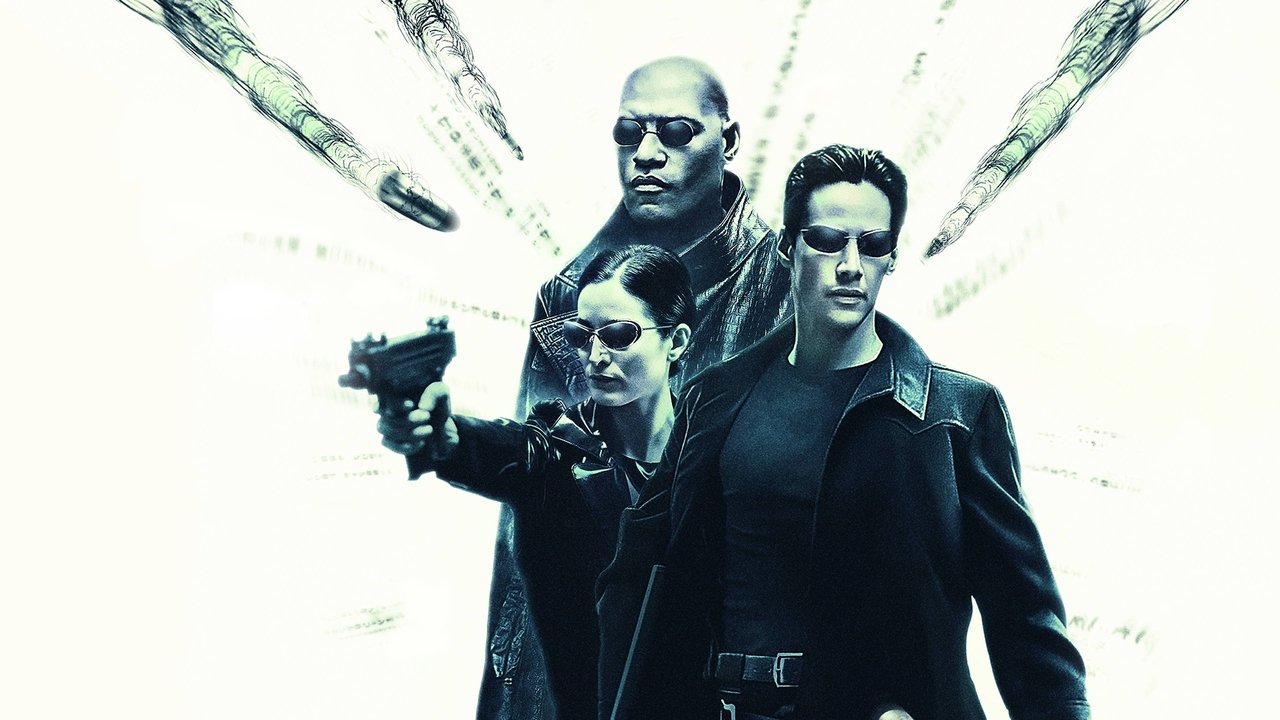
The color coding is never presented as a lecture, which is part of why it works. A viewer may simply feel that the simulated world looks slightly off before identifying why. Costumes contribute to that effect too: black leather, dark sunglasses, and severe silhouettes make the human characters look like they belong to a different visual system from the ordinary people in the simulation. The result is a film in which style is not decorative; it is one of the main storytelling tools.
Phones, mirrors, and the mechanics of escape
The Matrix repeatedly uses everyday objects as access points between states of awareness. Payphones, reflective surfaces, and screens are not just props; they are part of the movie’s internal logic. The phone in particular becomes a practical symbol of transmission and transition, a device that helps connect Neo to the resistance and then to safety when the simulated world needs to be exited quickly.
Mirrors carry a different kind of significance. They are tied to Neo’s first impossible experience of the simulation bending around him, and they reinforce the film’s idea that reality is not stable in this universe. The reflective surface is more than a visual flourish; it is a way of making the audience watch a character encounter the limits of what he thinks is possible. Even the film’s use of screens within screens keeps suggesting that observation itself is part of the trap.
Why the sunglasses matter so much
The sunglasses in The Matrix are one of the film’s most recognizable accessories, but they are also part of its visual storytelling. They make the characters seem protected, emotionally remote, and difficult to read. In a movie about hidden systems and controlled perception, that matters. The glasses create a literal barrier between eyes and viewer, turning the characters into figures who look aware of secrets other people cannot see.
The effect is strongest when the film contrasts the resistance fighters with the people still inside the Matrix. Agents, Morpheus, Trinity, and Neo all get a stylized, almost ritualized presentation once the film’s action begins in earnest. The glasses help unify that look. They also make the film’s action easier to track, because the characters’ faces and body language are framed with a consistent iconography. In other words, the sunglasses are doing character work and visual branding at the same time.
The red pill and the movie’s most quoted choice
The red pill and blue pill sequence is one of the film’s most famous scenes, but its power comes from how direct it is. Morpheus offers Neo a choice between continuing in ignorance or learning the truth, and the scene condenses the entire film’s philosophy into a single gesture. The red pill is not just a plot device; it is a clean, memorable way of turning abstract ideas about knowledge and control into an irreversible decision.
What makes the moment easy to miss on a casual level is how much of the film has already prepared for it. Neo has been following signs before he is ready to understand them, and the scene formalizes that pattern. From that point forward, the movie is built around choices that change what can be seen and what can be done. The pills are small objects, but they become one of the film’s most durable symbols because they capture the story’s central tension without needing explanation.
Agents are more than villains in suits
The Agents are among the film’s most memorable creations because they are not framed as ordinary action-movie antagonists. They function like system enforcers, able to move through the Matrix by taking over bodies and speaking with machine precision. Their controlled, almost identical appearance makes them feel less like people than like an expression of the simulation’s immune system. That is why their presence changes the tone of a scene so quickly.
Agent Smith is the clearest example, but the other Agents matter too because they establish the rule that any person in the Matrix might be occupied by the system at any time. This creates a constant layer of suspicion. The film turns a simple chase into a broader idea: the world itself is compromised. Even when the action is fast, the design of the Agents keeps reminding viewers that the enemy is not just physically strong but structurally built into the environment.
Choreography that treats movement like code
The action in The Matrix is famous for its wire-assisted style and exaggerated movement, but one hidden strength is how carefully the choreography matches the story. The fights often feel less like messy brawls and more like tests of the rules governing the simulation. Characters can bend, dodge, or slow motion their way around danger because the movie wants viewers to sense that the usual limits of action cinema are being rewritten.
That approach makes even familiar moments feel unusual. A simple pivot or leap can register as a clue about how the world works. The film’s battle scenes are not only there to impress; they demonstrate that skill, awareness, and belief all matter in a place where reality can be manipulated. The choreography becomes a form of exposition, showing how the Matrix can be exploited by people who understand its structure.
Neo’s identity is built through small reversals
Neo’s transformation is not just about discovering he is “The One.” The film seeds his arc with repeated reversals of expectation. He begins as an office worker with the unremarkable name Thomas Anderson, which already splits his identity between the ordinary and the chosen. That contrast is one of the movie’s simplest but most effective details, because it lets the story keep two versions of him in play at once.
Even his progression through the film is marked by incremental shifts rather than one huge leap. At first he is confused, then skeptical, then physically and mentally more capable. The movie tracks this with his posture, wardrobe, and confidence as much as with dialogue. By the time he starts to understand the Matrix’s rules, the film has already taught the viewer to watch for differences between a person’s assumed identity and the one they are learning to inhabit.
The ending pays off the film’s hidden logic
The final act of The Matrix works because it follows through on details the movie has been teaching from the start. Once Neo begins to perceive the code beneath the surface, the film shifts the meaning of earlier imagery without changing its visual language. What once looked like stylish slow motion or atmospheric abstraction becomes evidence of a deeper system that can be read, anticipated, and resisted.
That is why the movie’s ending feels like more than a victory lap. It is the logical outcome of all the small cues hidden throughout the film: the coded colors, the reflective surfaces, the symbolic choices, the anonymous crowds, and the rigidly controlled Agents. The Matrix invites viewers to notice what is concealed inside its own design, then rewards them by turning those details into the basis for Neo’s awakening.