
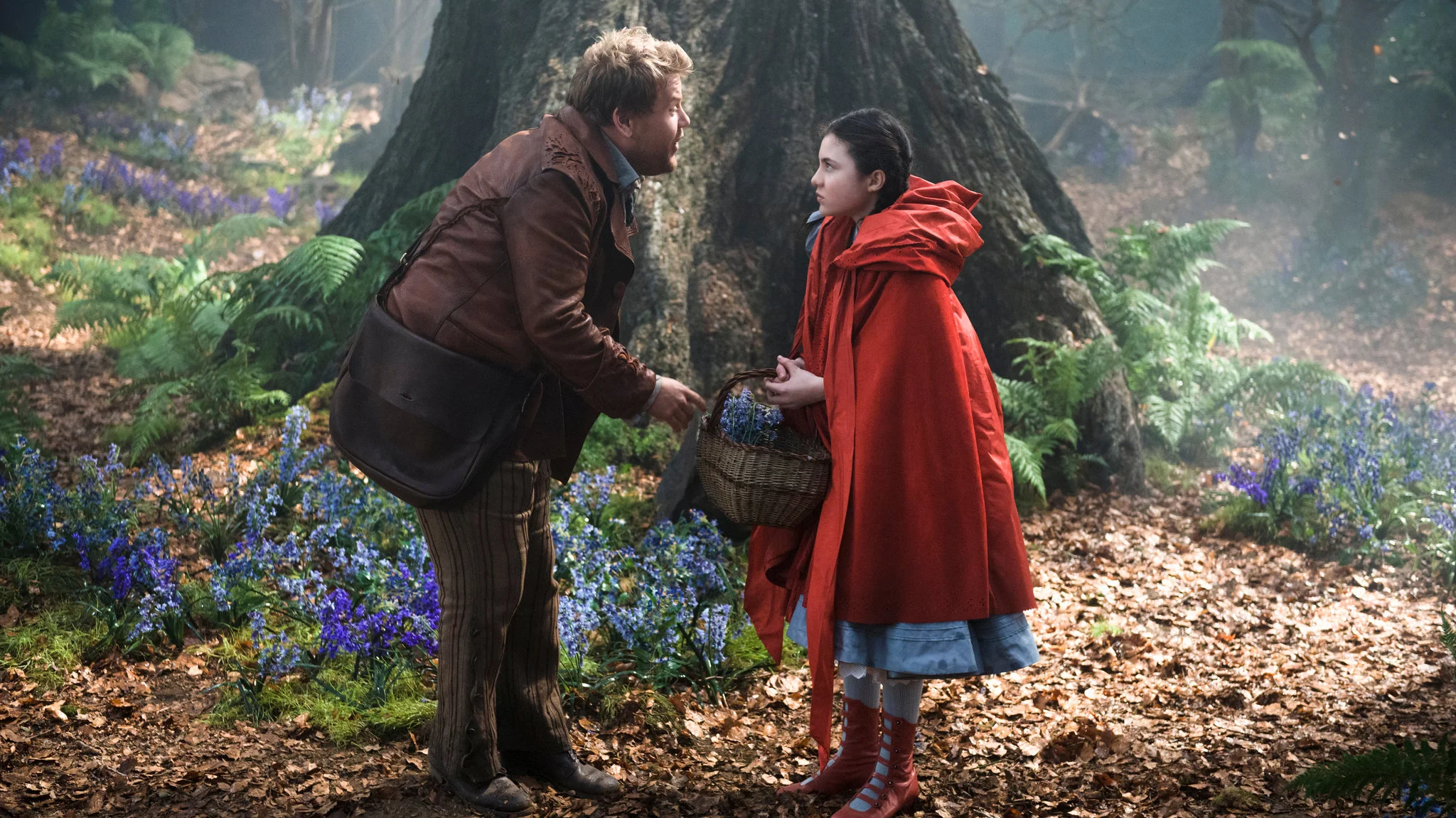

Bright costumes, recognizable fairy-tale names, and musical numbers can make Into the Woods (2014) look like a typical family fantasy at first glance.
However, its tone shifts in ways that may surprise anyone expecting a light, uncomplicated story. The film blends playful adventure with darker consequences, making it worth considering how different age groups might react before watching together.
Considering Into the Woods (2014) as a Fairy-Tale Musical to Watch with Children
The story brings together characters from well-known tales such as Cinderella, Little Red Riding Hood, Jack and the Beanstalk, and Rapunzel, placing them in a shared world where their wishes intersect. Much of the first half follows a quest to lift a curse, accompanied by frequent songs and comedic situations. This structure feels familiar and accessible to children who enjoy fantasy adventures.
At the same time, the narrative assumes some understanding of classic fairy-tale logic, including bargains, magical consequences, and moral lessons. The pacing alternates between lively musical scenes and dialogue-heavy moments, which younger viewers may find uneven. While the premise is rooted in storybook material, the emotional depth goes beyond a simple bedtime tale.
Familiar Storybook Characters That Make the Film Appealing to Kids
Children often recognize the characters immediately, which creates a sense of comfort and curiosity. Seeing familiar figures interact in unexpected ways can be entertaining, especially when their personalities clash or overlap. Scenes featuring Cinderella’s ball preparations or Jack’s adventures with the giant maintain a playful tone that feels close to traditional fairy tales.
These recognizable elements also help younger viewers stay engaged during slower segments. Because they already know who the characters are, they can follow the basics even if some plot details are complex. The visual design—colorful costumes, enchanted forests, and magical transformations—adds to the appeal.
Darker Twists on Classic Tales That May Feel Intense for Younger Viewers
Unlike many simplified adaptations, the film does not soften every frightening or unsettling aspect of the original stories. Characters face real danger, including threatening encounters with giants and wolves. Some scenes contain suspenseful moments in dimly lit settings that can feel tense rather than playful.
The tone occasionally shifts toward anxiety or fear, especially when characters are pursued or trapped. These sequences are not graphic, but the emotional intensity can still be overwhelming for sensitive children. Younger viewers who expect a consistently cheerful atmosphere may find these darker elements confusing.
Scenes Involving Danger, Loss, and Consequences That Can Be Emotionally Heavy
As the story progresses, characters experience setbacks that carry emotional weight. Some beloved figures face loss or difficult choices, and the narrative emphasizes that actions have lasting consequences. Unlike many family films where problems are quickly resolved, these developments linger and affect later events.
Children may notice the sadness or tension even if they do not fully grasp the reasons behind it. The idea that wishes can backfire or harm others is central to the plot, which introduces moral complexity. For viewers who are not accustomed to seeing fairy-tale characters struggle with grief or responsibility, these moments can be surprising.
Musical Numbers and Fantasy Elements That Hold Children’s Attention
The film is structured around songs, many of which advance the story while expressing characters’ emotions. Energetic ensemble pieces and visually imaginative sequences provide breaks from heavier material. For children who enjoy musical storytelling, these sections can be the most engaging parts.
The fantasy setting also allows for creative visuals, including magical beans, transformations, and elaborate stage-like scenes. Even when the plot becomes serious, the stylized presentation maintains a sense of wonder. This balance helps prevent the film from feeling overwhelmingly dark.
Humor and Dialogue That May Be Better Understood by Older Kids
Some comedic moments rely on wordplay, irony, or references to romantic relationships, which younger children may not fully understand. Characters occasionally express frustration, vanity, or romantic longing in ways that resonate more with pre-teens or teenagers. While the humor is not crude, it is not always aimed at very young audiences.
Because much of the story is conveyed through dialogue-heavy songs, comprehension depends on following the lyrics. Children who struggle to process rapid speech or complex phrasing may lose track of what is happening. Older kids are more likely to appreciate the wit and emotional nuance.
The Shift from Playful Adventure to Serious Themes in the Second Half
After the initial quest appears resolved, the film introduces new complications that deepen the stakes. The tone becomes more somber, focusing on responsibility, regret, and the impact of earlier decisions. Action scenes give way to conversations about trust, survival, and moral accountability.
This shift can feel abrupt for viewers expecting a conventional fairy-tale ending. Younger children may not anticipate that the story will continue into darker territory after a seemingly happy resolution. The second half demands more emotional maturity to process the characters’ dilemmas.
The Age at Which the Story’s Tone and Themes Usually Feel Manageable
For many families, the film works best for children who can handle both whimsical fantasy and moments of genuine tension. The combination of musical storytelling, recognizable characters, and moral complexity tends to resonate most strongly with kids who are comfortable discussing difficult themes afterward.
A practical minimum age is around 10+. Children in this range are usually able to follow the layered plot, understand the consequences portrayed, and distinguish between frightening fantasy and real danger. Younger viewers may still enjoy the songs and visuals but could become confused or upset during darker scenes without guidance.
