

For California homeowners undertaking an accessory dwelling unit project, the construction inspection process is one of the most important — and sometimes most stressful — phases of the entire development journey. Inspections are not simply bureaucratic hurdles; they are the mechanism by which the state and local jurisdictions verify that the new housing unit has been built safely, to code, and in accordance with the approved permit documents. Understanding how the inspection process works, what inspectors look for at each phase, and how to prepare for successful inspections can make the difference between a smooth project closeout and costly delays.
ADU inspection requirements at ADU Builders California are administered by local building departments, which operate under the authority of the California Building Standards Code, known as Title 24. While specific procedures vary somewhat by jurisdiction — inspections in a large city such as Los Angeles or San Diego will differ in workflow from those in a smaller municipality like Napa or Chico — the fundamental inspection sequence is largely consistent across the state. Homeowners who understand the common framework are better equipped to communicate with their builder and building department throughout the construction process.
Before Construction Begins: Permit Issuance and Pre-Construction Requirements
The inspection process begins before any construction work occurs. Once a building permit is issued, the approved plans must be kept on the job site and made available to inspectors at all times during construction. Many jurisdictions require that the permit itself be posted in a visible location accessible from the street or entrance to the site. Failure to maintain approved plans on site can result in the inspector declining to conduct the inspection and requiring rescheduling — a delay that can cascade through the construction schedule.
Some jurisdictions require a pre-construction meeting between the builder and the building official before work begins. This meeting provides an opportunity to clarify inspection scheduling procedures, discuss any site-specific conditions that may affect inspections, and confirm that the project team understands the local department’s protocols. Builders who work regularly in a given jurisdiction, from Sacramento to Santa Barbara, typically have established relationships with plan check staff and inspectors that facilitate this process and reduce procedural friction throughout the project.
Foundation and Soil Inspection
The first field inspection on a new detached ADU typically occurs after excavation for the foundation has been completed but before any concrete is poured. The inspector verifies that the excavation depth, width, and bearing conditions are consistent with the approved foundation design and any geotechnical report requirements. In seismically active regions — which include virtually all of California — this inspection is particularly important, as foundation adequacy is foundational to the structure’s performance in an earthquake.
In many jurisdictions, a special inspector is also required to be present during concrete pours for foundation elements, testing concrete slump and compressive strength and documenting compliance with project specifications. Homeowners should confirm with their builder whether special inspection services are required by the permit conditions and ensure those services are contracted and scheduled well in advance, particularly in high-demand markets throughout the Bay Area and Southern California where specialty inspectors may have limited availability.
Framing Inspection
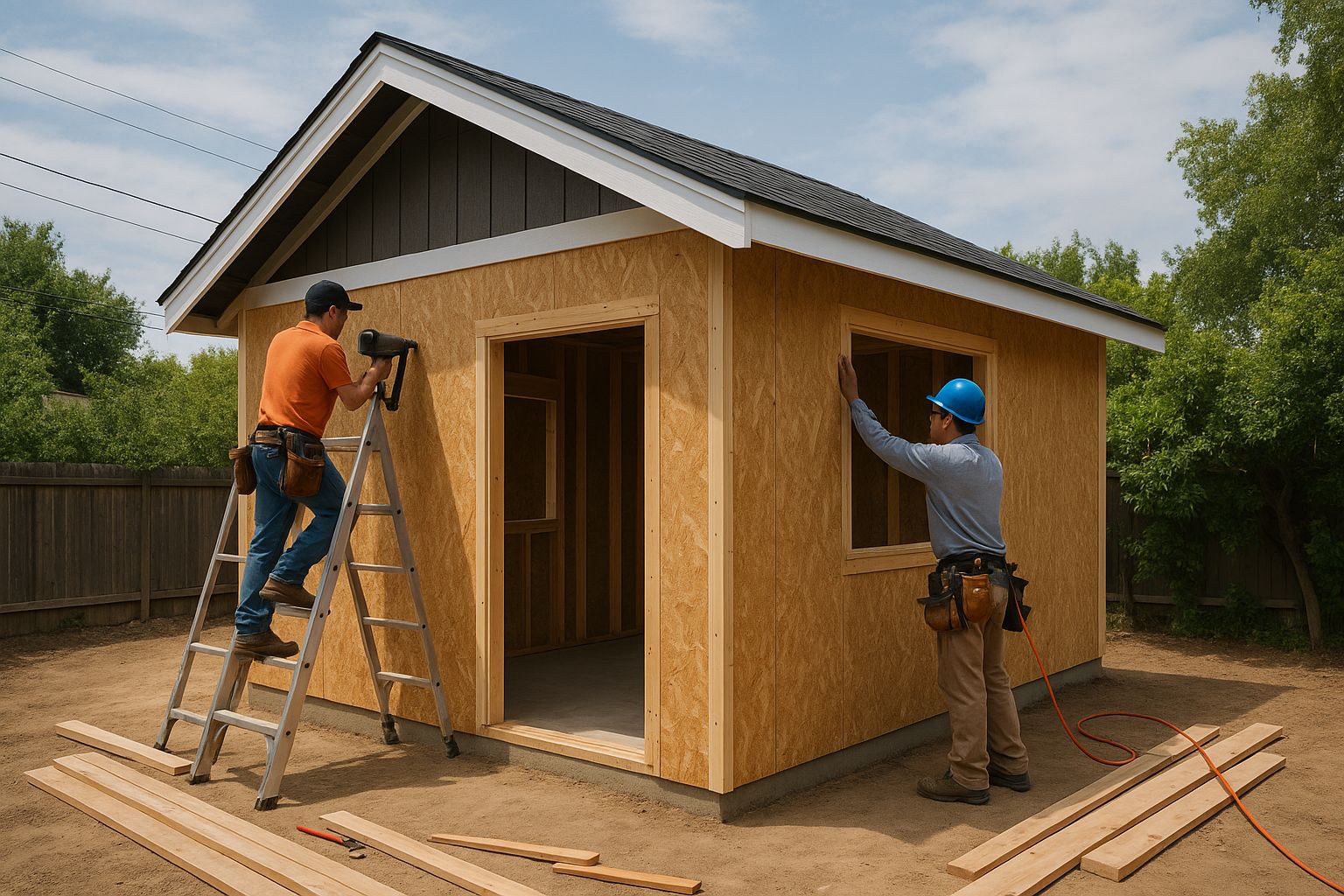
The framing inspection is conducted after the structural shell of the ADU is complete — walls, floor systems, roof framing, and sheathing are all in place — but before any insulation or interior drywall is installed. This timing is critical because many of the structural elements that must be verified by the inspector become inaccessible once insulation and drywall are in place. Scheduling the framing inspection at exactly the right stage of construction requires careful coordination between the builder and the building department.
During the framing inspection, the inspector reviews compliance with the approved structural plans, including wall stud sizing and spacing, header sizing over openings, holdown anchor placement, shear wall nailing patterns, and roof rafter or truss installation. In California’s seismic environment, shear wall compliance is a particularly important focus. Framing inspections in jurisdictions throughout the Bay Area, Los Angeles, and the Inland Empire often require that structural observation documentation from the project engineer be provided alongside the inspection request.
Rough Mechanical, Electrical, and Plumbing Inspections
Separate inspections are typically required for mechanical, electrical, and plumbing rough-in work — all of which must be completed and inspected before drywall is installed. In some jurisdictions, these are conducted as three separate inspections; in others, they may be combined into a single rough combination inspection to streamline the process for the builder and the homeowner.
The rough mechanical inspection verifies that ductwork, equipment locations, and combustion air provisions comply with California’s mechanical code. The rough electrical inspection confirms that wiring methods, box sizing, circuit layouts, and panel work comply with the California Electrical Code. The rough plumbing inspection verifies drain slopes, vent connections, cleanout locations, and supply line materials. All three inspections must be approved and signed off before insulation can be installed and framing can be closed in by drywall.
Insulation, Energy, and Drywall Inspections
California’s Title 24 energy efficiency requirements mandate insulation inspection — verifying that wall, floor, and ceiling insulation is installed at the specified R-values and in the proper configuration — before drywall is installed. In addition, many jurisdictions require a separate energy compliance inspection that reviews the installation of Title 24-required features such as high-efficacy lighting, insulated windows, and HVAC equipment efficiency ratings that must be verified before the project can progress to the finishing stage.
After insulation inspection is approved, drywall installation can proceed. A drywall nailing inspection may be required in some jurisdictions before taping and finishing begin. Homeowners and builders should review the specific inspection checklist issued with the permit to identify all required intermediate inspections, as requirements vary by jurisdiction across communities in San Diego, Orange County, and the Central Coast.
Final Inspection and Certificate of Occupancy
The final inspection is conducted when all construction work is complete, all systems are operational, and the unit is ready for occupancy. The inspector conducts a comprehensive review of the completed unit, verifying compliance with all applicable code requirements that are visible or testable at the final stage. This includes checking smoke and carbon monoxide detector placement, verifying that all electrical outlets function and GFCI protection is in place, confirming that plumbing fixtures operate without leaks, and verifying that mechanical systems operate correctly.
ADU Builders California manages the complete inspection process for every project, coordinating with local building departments throughout California — from Los Angeles and San Diego to Stockton and Santa Barbara — to ensure that inspections are scheduled at the correct construction phases and that projects close out successfully. Their experienced project managers understand what inspectors look for and prepare job sites accordingly, minimizing the risk of failed inspections and the delays they cause.
About ADU Builders California
ADU Builders California provides comprehensive accessory dwelling unit construction services throughout California, including project management, permitting coordination, and construction inspection management. The company serves homeowners in all major California metropolitan areas and has an established track record of successful project closeouts across dozens of jurisdictions statewide. ADU Builders California’s disciplined construction management approach ensures that inspection milestones are met efficiently and that clients receive their certificates of occupancy with minimal delay, allowing them to begin benefiting from their ADU investment as quickly as possible.
ADU Builders California
1610 R St Suite 300
Sacramento, CA 95811, United States
