

When audiences watch a film or television series, they often focus on the actors, dialogue, music, and plot. Yet one of the most powerful storytelling tools can remain almost invisible: set design. The rooms characters inhabit, the streets they walk through, the furniture surrounding them, and even the colors painted on the walls can quietly influence how viewers interpret a scene.
Set design is much more than decoration. It creates atmosphere, communicates information about characters, establishes time and place, and guides emotional reactions before a single word is spoken. A carefully designed environment can make audiences feel safe, uncomfortable, nostalgic, curious, or even threatened without them fully understanding why.
Creating Emotion Through Space
The physical layout of a scene can immediately affect how viewers feel about it. Large, open spaces often create a sense of freedom, calm, or possibility, while narrow corridors and crowded rooms can produce tension or discomfort.
Filmmakers frequently use this contrast to support the emotional state of a character. Someone experiencing isolation may appear alone in an enormous room, visually emphasizing the distance between that person and the rest of the world. Conversely, a character under pressure might be placed in a small office filled with objects, paperwork, or people, making the environment feel almost suffocating.
The audience does not necessarily analyze these choices consciously. Instead, the surroundings create an emotional impression that becomes part of the storytelling experience.
Color Can Change the Meaning of a Scene
Color is one of the strongest psychological tools available to production designers. Different color palettes can completely transform the mood of an environment.
Warm tones such as yellow, orange, and soft brown can make a home feel welcoming and familiar. Cooler shades, including blue, gray, and pale green, may create emotional distance or suggest loneliness. Strong reds can introduce energy, danger, passion, or aggression depending on the context.
More importantly, colors rarely work alone. Designers often develop a complete palette for a film or particular character. As the story changes, the environment may change with it.
For example, a character’s home might initially contain bright colors and natural light. After a major emotional loss, later scenes in the same location could feature darker lighting, reduced color, or altered furniture arrangements. The audience immediately senses that something has changed, even when the room is technically the same place.
Objects Tell Stories Without Dialogue
Every object visible on screen can potentially communicate information.
A perfectly organized desk might suggest discipline, control, or obsession. An apartment filled with half-finished projects could reveal creativity, distraction, or emotional instability. Old photographs may suggest nostalgia, while expensive furniture can indicate wealth, ambition, or a desire to impress others.
These visual clues are especially powerful because they allow audiences to discover information naturally.
Instead of having a character say, “I haven’t moved on from my past,” a production designer might place old letters, photographs, and personal belongings throughout the character’s home. The setting tells the story quietly.
This technique makes fictional environments feel more authentic because real people also reveal parts of themselves through the spaces they create.
Architecture Influences Character Perception
The architecture surrounding a character can influence how powerful, vulnerable, or important that person appears.
A politician standing inside a massive government building may seem authoritative because the environment visually reinforces institutional power. A frightened character walking through an abandoned warehouse appears vulnerable because the environment feels unpredictable and uncontrolled.
Ceiling height, door size, windows, staircases, and furniture scale can all affect perception.
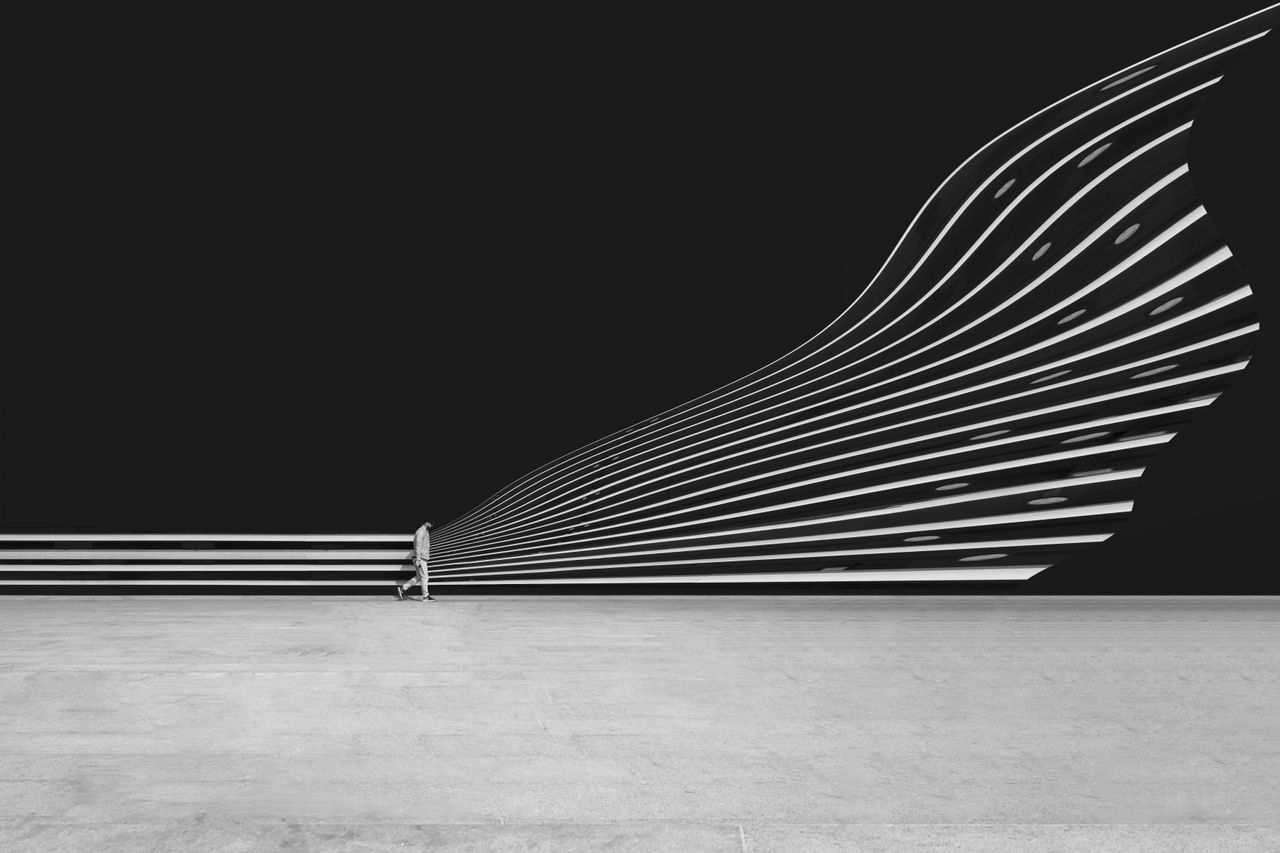
In some scenes, filmmakers deliberately make characters appear small compared with their surroundings. The visual message might suggest that they are overwhelmed by a situation, organization, or social system larger than themselves.
In other situations, a character may dominate a carefully designed space, creating an impression of confidence and control.
Set Design Builds Believable Worlds
In fantasy, science fiction, and historical productions, set design carries an additional responsibility: convincing audiences that an unfamiliar world actually exists.
Creating believable environments requires consistency. Architecture, materials, technology, furniture, and everyday objects must appear to belong to the same culture and time period.
The most convincing fictional worlds often include details that are never directly explained. A futuristic city might contain advertisements, transportation signs, worn public spaces, and household objects that imply decades of history.
These details make the world feel lived in rather than recently constructed for a production.
The same principle applies to historical dramas. Audiences may not know exactly what a kitchen or office looked like several centuries ago, but inconsistencies can still make a setting feel artificial. Careful research allows designers to create environments that support the illusion of authenticity.
Disorder and Symmetry Affect Our Reactions
Humans naturally notice patterns. Because of this, symmetry and disorder can strongly influence emotional responses.
Perfectly symmetrical environments often communicate control, stability, discipline, or artificial perfection. Filmmakers sometimes use these spaces for powerful institutions, wealthy families, luxury hotels, or highly controlled societies.
Disorganized environments can suggest chaos, danger, creativity, poverty, or emotional instability.
However, the meaning depends on context. A messy family kitchen might feel warm and authentic, while an equally messy hospital room could feel alarming.
Set designers therefore consider not only whether a location is organized but what that organization communicates about the people who use it.
Familiar Environments Create Emotional Connections
Set design can also trigger nostalgia.
Certain environments remind viewers of childhood homes, schools, restaurants, workplaces, or specific historical periods. Designers can use familiar furniture, wallpaper patterns, household appliances, or decorative styles to create an immediate emotional connection.
The effect can be especially strong when viewers recognize details from their own experiences.
A simple kitchen table, an old television, or a particular style of living room might generate feelings of comfort before viewers even understand why the scene seems familiar.
Filmmakers can then challenge those emotions. A location that initially feels safe can later become unsettling, making the contrast more powerful.
The Best Set Design Often Goes Unnoticed
Ironically, successful set design does not always attract attention.
When an environment feels completely natural, audiences accept it without questioning how carefully it was constructed. Every object, texture, light source, and architectural detail appears to belong there.
This invisibility is part of the art.
Production designers work closely with directors, cinematographers, costume designers, and lighting teams to ensure that visual elements support the same emotional goal. A wall color may be selected partly because of how it interacts with an actor’s clothing. Furniture may be positioned to influence camera movement. Windows may be designed to control the direction of natural-looking light.
What appears effortless on screen can therefore be the result of extensive planning.
Visual Storytelling Begins Before the Characters Speak
Set design demonstrates how strongly humans respond to visual environments.
Before viewers hear dialogue or understand the plot, they are already collecting information from the surroundings. They notice whether a room feels comfortable, whether a street seems dangerous, whether a home looks loved, or whether an office feels intimidating.
These impressions shape how characters and events are interpreted.
For this reason, set design should not be considered a background element. It is an active storytelling language capable of communicating emotion, history, personality, and conflict.
The next time a film creates a powerful emotional reaction, it may be worth looking beyond the actors. The walls, furniture, colors, architecture, and seemingly insignificant objects surrounding them may be telling just as much of the story.
