

The modern e-commerce landscape moves at a relentless pace, demanding that independent creators and merchandise brands adapt or risk becoming obsolete. For years, the traditional retail model dictated that building a successful clothing line required massive upfront financial commitments, giant warehouses filled with pre-printed inventory, and an endless gamble on which colors and sizes would actually sell.
Today, forward-thinking entrepreneurs are abandoning this high-risk approach entirely. By implementing agile production frameworks centered around smart blanks, clothing brands can test concepts instantly, eliminate dead stock, and scale their businesses sustainably without the crushing weight of unsold inventory.
When launching or expanding an apparel brand, the quality of your base garments serves as the ultimate anchor for your reputation. Consumers today possess a refined eye for textile quality; they can instantly distinguish between a cheap promotional shirt that pills after one wash and a retail-ready garment that maintains its structure and comfort over years of wear. This comprehensive guide will explore the economic and technical shifts redefining the apparel industry, focusing on how you can leverage advanced manufacturing principles to build a profitable, high-end clothing label.
The Shift From Mass Warehousing to On-Demand Apparel Creation
For decades, the standard path for launching a fashion label involved ordering thousands of units from overseas manufacturers to secure low per-item pricing. This mass-production model created a massive barrier to entry. Creators had to tie up thousands of dollars in capital before selling a single item, and if a specific graphic or colorway failed to resonate with the target audience, the leftover stock became a total financial loss.
The rise of digital decoration has completely rewritten these economic rules. Instead of forecasting demand months in advance, modern brands operate on a lean, pull-based inventory model. By keeping a selection of unprinted, high-end garments in stock and utilizing flexible printing technologies, creators can fulfill orders as they come in. This operational agility means your capital remains fluid, allowing you to reinvest in marketing, expand your design catalog, and experiment with niche aesthetics without financial anxiety.
Why the Fabric Foundation Dictates Print Longevity
An extraordinary design printed on an inferior shirt is a wasted opportunity. The physical foundation of your product dictates how your customers perceive your brand value from the moment they unbox their order. Traditional promotional shirts were often constructed as tubular garments cut from open-end carded cotton, resulting in a rough texture, twisted side seams, and severe shrinkage.
In contrast, modern decorators rely strictly on smart blanks to ensure consistent quality. These garments undergo intensive processing, such as ring-spinning and combing, which removes short, coarse fibers and aligns the remaining cotton into smooth, tightly twisted yarns. This meticulous manufacturing process creates an exceptionally flat, stable fabric face. When you apply a graphic to this type of surface, the print integrates seamlessly into the fibers, offering a luxurious soft hand feel that customers associate with high-end retail brands.
The Operational Mechanics of Modern Digital Transfers
While sourcing superior base apparel is essential, the method you choose to apply your artwork determines your studio’s efficiency. Traditional screen printing demands complex mesh setups and high minimum order quantities, making it inefficient for multi-color designs or small-batch drops. Direct-to-garment printing solved some volume constraints but introduced high maintenance overhead and poor performance on non-cotton textiles.
The industry has embraced dtf transfers as the ultimate solution for versatile, high-resolution decoration. This digital process allows printers to output vibrant full-color artwork onto a specialized release film, coat it with an activated adhesive powder, and cure it with heat. The resulting transfer can be stored indefinitely and pressed onto almost any textile substrate in seconds. This flexibility allows brands to expand their product offerings into activewear, outerwear, and heavy fleece without altering their production workflow.
Overcoming Creative Bottlenecks in Small-Batch Production
Creative freedom is often stifled by technical limitations. In the past, intricate color gradients, photorealistic portraits, and complex multi-layered illustrations were nearly impossible to produce economically on apparel. The adoption of dtf transfers removes these barriers entirely, allowing creators to produce vivid, photographic-quality graphics without worrying about color counts or mesh setup fees.
Furthermore, this digital versatility extends to garment placement. Because transfers are applied using heat press pillows and flat platens, brand owners are no longer restricted to the traditional center-chest location. You can easily print crisp typography along sleeves, add detailed logo placement near hems, or create professional tagless neck labels that elevate the perceived value of your merchandise.
Elevating Brand Trust Through Rigorous Sourcing with Custom Premium Shirt
Building a loyal customer base requires unwavering consistency. If a buyer purchases a shirt from your brand today and orders another six months later, they expect the exact same fit, weight, and fabric hand feel. Inconsistent manufacturing practices destroy brand credibility faster than almost any other operational failure.
Partnering with an established, quality-focused supplier like Custom Premium Shirt ensures that your supply chain remains rock-solid. Their commitment to superior manufacturing standards guarantees that every batch of blank apparel you receive meets strict specifications. By building your collections on foundations provided by Custom Premium Shirt, you protect your brand integrity and foster long-term customer loyalty.
Step-by-Step Workflow for Running a Lean Merchandise Storehouse
Establishing an efficient production studio requires a structured workflow that minimizes errors and material waste. Follow these professional steps to optimize your daily operations:
- Digital Asset Preparation: Ensure your artwork files are saved at high resolutions with clean vector paths to maximize clarity on the printed film.
- Garment Conditioning: Pre-press your blank apparel for a few seconds to eliminate trapped ambient moisture and flatten microscopic creases before application.
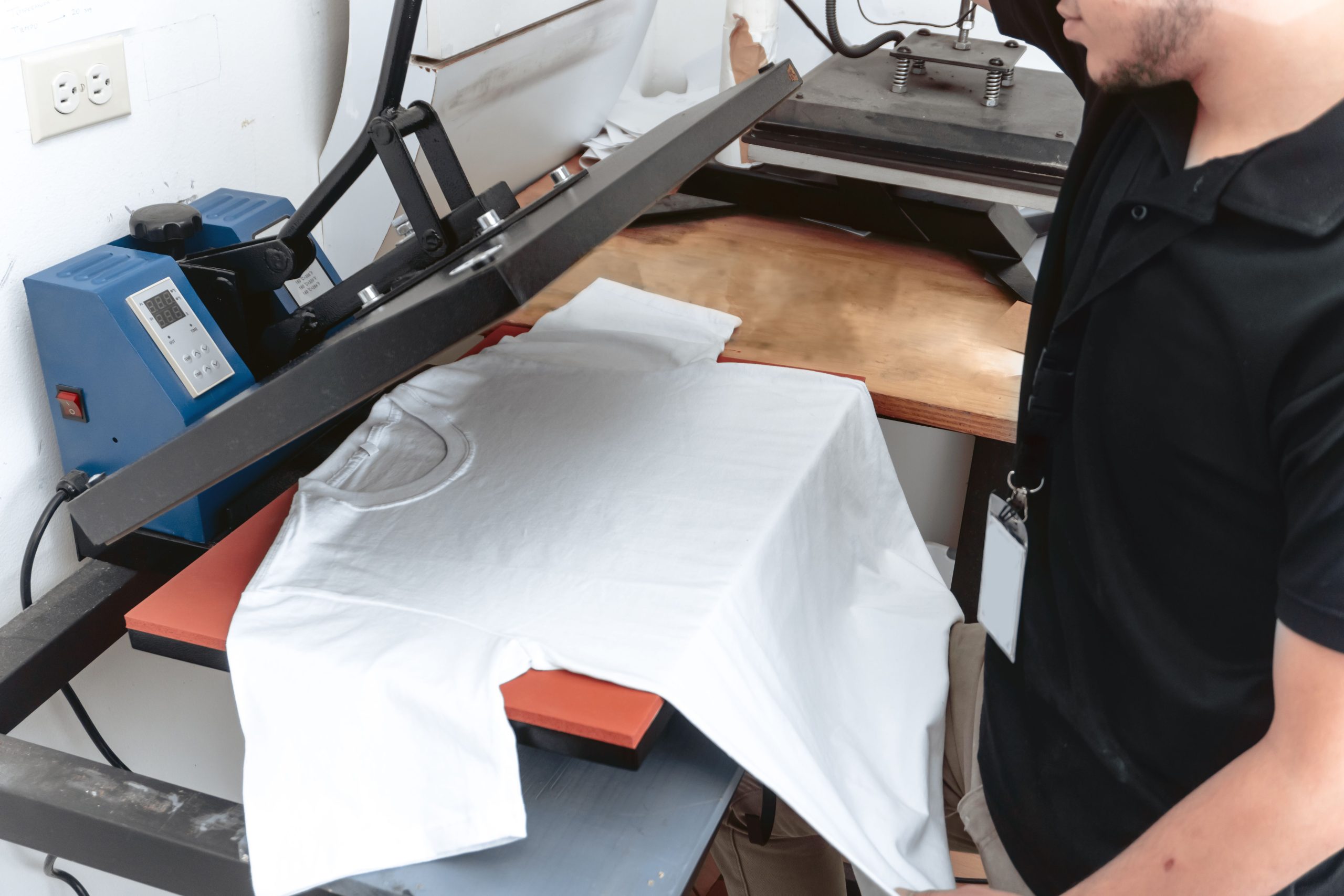
- Heat Press Calibration: Maintain an industrial-grade heat press with even temperature distribution across the platen to ensure uniform adhesive melting.
- Application Execution: Follow the precise temperature, pressure, and time parameters recommended by your transfer supplier.
- Finishing Touches: Perform a secondary post-press using a protective sheet to lock the ink into the fabric fibers and remove any unwanted surface gloss.
Frequently Asked Questions
What specific features make a garment qualify as smart blanks?
These garments are engineered specifically for modern decoration. They feature combed or ring-spun cotton for an ultra-smooth print surface, side-seamed construction for a tailored fit, and structural reinforcements that prevent shrinkage and wear over time.
How do digital film transfers compare to traditional screen printing in durability?
When applied correctly with commercial heat presses onto quality garments, digital film transfers offer exceptional elasticity and wash durability, withstanding dozens of heavy laundry cycles without cracking or fading.
Can I apply these modern transfers to non-cotton items?
Yes, one of the primary benefits of this decoration method is its versatility across polyester activewear, nylon jackets, canvas tote bags, and heavy fleece hoodies, allowing for effortless product line expansion.
Why is apparel consistency crucial for a growing clothing line?
Consistent sizing, fabric weight, and color integrity build long-term trust with your buyers, turning one-time shoppers into loyal, repeat brand advocates who know exactly what to expect from your label.
What is the best way to prevent a glossy finish on the final print?
You can eliminate any unwanted glossy sheen by placing a matte parchment sheet over the design after peeling the carrier film and giving it a brief secondary press for five seconds.
Conclusion
The journey from an independent creator to a recognized apparel brand demands discipline, quality materials, and agile operational strategies. By leaving behind the heavy financial risks of bulk manufacturing and embracing modern production methods, you position your business for sustainable growth. Elevate your merchandise standards today by sourcing exceptional foundations from Custom Premium Shirt, pairing those garments with the vibrant versatility of dtf transfers, and utilizing the superior canvas of smart blanks to exceed your customers’ expectations at every turn.
