
When The Fast and the Furious arrived in 2001, it looked like a relatively contained street-racing thriller built around underground car culture, shifting loyalties, and the appeal of practical speed. More than two decades later, the franchise has become something much bigger: a globe-trotting action series that can move from Los Angeles drag strips to desert convoys, skyscraper vault chases, and international spy missions without losing its core obsession with fast cars and loyal crews.
The evolution of the Fast & Furious movies is also the story of how a small-scale premise kept expanding in response to audience appetite, changing cast dynamics, and the growing confidence of the filmmakers. What began as a world of street racers and undercover cops gradually widened into a stylized action universe where family, spectacle, and velocity became the franchise’s defining ingredients.
How the first movie established the formula
The original The Fast and the Furious was grounded in a very specific subculture: illegal street racing, custom cars, and the risky economy of stolen goods. At the center were Brian O’Conner, an undercover cop, and Dominic Toretto, a street racer whose loyalty to his crew mattered as much as winning a race. That setup gave the film a straightforward tension that worked because it treated the car world as a living scene, not just a backdrop for action.
What made the early franchise distinctive was its mix of mechanical detail and personal drama. The movies didn’t just ask who could drive fastest; they asked who could be trusted, who belonged to the crew, and how far loyalty could stretch before it broke. Even when the original film leaned into crime-movie beats, the heart of the story was about identity and belonging, themes that would stay with the franchise even as the scale grew.
Street racing gave way to heists and international stakes
As the series continued, the street-racing element remained part of its identity, but it was no longer the whole identity. Later installments increasingly treated cars as tools for larger operations: thefts, rescues, sabotage, and high-risk missions. That shift helped the franchise expand beyond a niche automotive setting into something closer to an ensemble adventure series.
This change was especially important because it opened the door to new kinds of stories. Instead of focusing only on one city or one criminal network, the films could move across borders, introduce new allies and enemies, and build bigger set pieces around engineering ingenuity. The cars stayed central, but the stakes rose from local turf wars to matters with global consequences, giving the franchise more room to escalate without abandoning its signature speed fetish.
Why family became the franchise’s emotional engine
One reason the series has remained recognizable even as it got larger is the way it redefined “family” as a governing principle. In the early films, that idea was rooted in the Toretto crew and the trust required to survive in a dangerous world. As the franchise expanded, the word became both an emotional anchor and a running motif, repeated often enough to become part of the series’ identity.
That emphasis on family also helped the films balance absurdity with sincerity. The action could become increasingly exaggerated, but the emotional stakes stayed surprisingly direct: protection, loyalty, grief, and reunion. The movies often ask audiences to accept outlandish scenarios, but they ground those scenarios in the sense that this crew genuinely depends on one another. That emotional continuity is a big reason the franchise could keep changing genres without feeling like it had lost itself entirely.
How the action style grew bigger and more playful
The earliest Fast & Furious entries relied more heavily on street-level realism, practical stunts, and the tension of close-quarters driving. Over time, the action became broader and more openly spectacular. The franchise embraced multi-car choreography, airborne sequences, and increasingly elaborate collisions and escapes, making the cars feel like weapons, shields, and tools all at once.
That growth in scale also changed the tone. The series began to treat impossible stunts with a straight face, which gave the films a particular kind of thrill: they were self-aware enough to know they were pushing boundaries, but committed enough to sell the danger. The result is a style that mixes earnestness with comic-book intensity, a combination that helped the franchise stand out from more grounded action series.
Ensemble casting turned the franchise into a team story
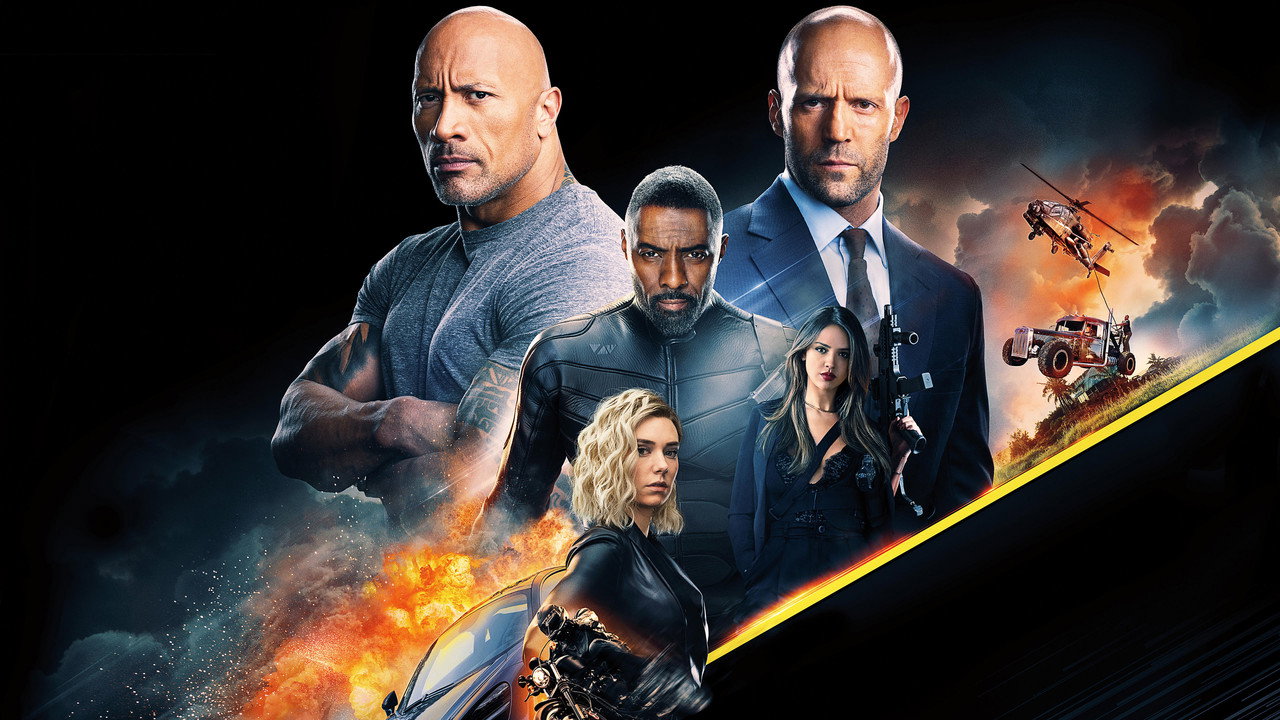
Another major change in the franchise’s evolution was the move from a two-hander centered on Brian and Dom to a much larger ensemble. As more characters joined the orbit of the core crew, the series started to function like a team-based action saga. Each character could bring a different skill set, personality, and relationship to the group, which kept the films from feeling repetitive even when the structure remained familiar.
The ensemble approach also made room for shifting alliances and rivalries. Some characters entered as antagonists before becoming allies, while others became indispensable through technical expertise, driving skill, or battlefield presence. That flexibility gave the series a broad, interconnected feel. Instead of relying on one lead to carry every scene, the franchise could distribute energy across multiple personalities, which made the later films feel more like interconnected chapters in one ongoing saga.
The franchise learned to balance cars with spy-movie mechanics
As the Fast & Furious series expanded, it increasingly borrowed from spy thrillers, military action, and caper movies. This was a practical evolution: once the films moved beyond simple racing competition, they needed new frameworks for tension and conflict. Espionage plots, criminal masterminds, and global threats gave the series a bigger narrative canvas while preserving the importance of quick thinking and improvised tactics.
That hybrid identity is one of the franchise’s defining strengths. A Fast & Furious movie can include street legends, government agents, mercenaries, and tech-driven villains without feeling completely untethered from its origins. The cars still matter, but they now exist in a world where characters can hack, negotiate, infiltrate, or outsmart their way through danger. It’s a franchise that evolved by absorbing other genres rather than replacing its original one.
What the series kept from the beginning
Even with all the scale and genre shifts, the franchise never fully abandoned the street-racing spirit that launched it. The movies still care about engines, modification, driving skill, and the culture around car performance. That attention to detail, even when stylized, helps preserve a sense of continuity from the first film to the most action-heavy later entries.
There is also a consistent fascination with competence. Whether the task is racing, driving, building, tracking, or planning, the franchise tends to celebrate people who are exceptionally good at what they do. That emphasis links the earliest racers with later globe-spanning operatives. The skill set changes, but the underlying appeal remains the same: watching a crew of experts improvise under pressure and trust one another when the odds are impossible.
Why the franchise still feels connected to its roots
Part of the appeal of the Fast & Furious movies is that they remember where they started, even when they no longer stay there. The visual language of tuned cars, urban night racing, and mechanical obsession still echoes through the franchise, creating a link back to the 2001 original. At the same time, the later films have earned the right to get bigger, louder, and more extravagant.
That balance between continuity and reinvention is what makes the series interesting as a long-running franchise. It did not remain a pure street-racing saga, but it also did not become something unrelated to its origins. Instead, it transformed by widening its reach, turning a subculture thriller into a global action brand without losing the emotional shorthand of speed, loyalty, and crew-first loyalty that gave it momentum in the first place.