
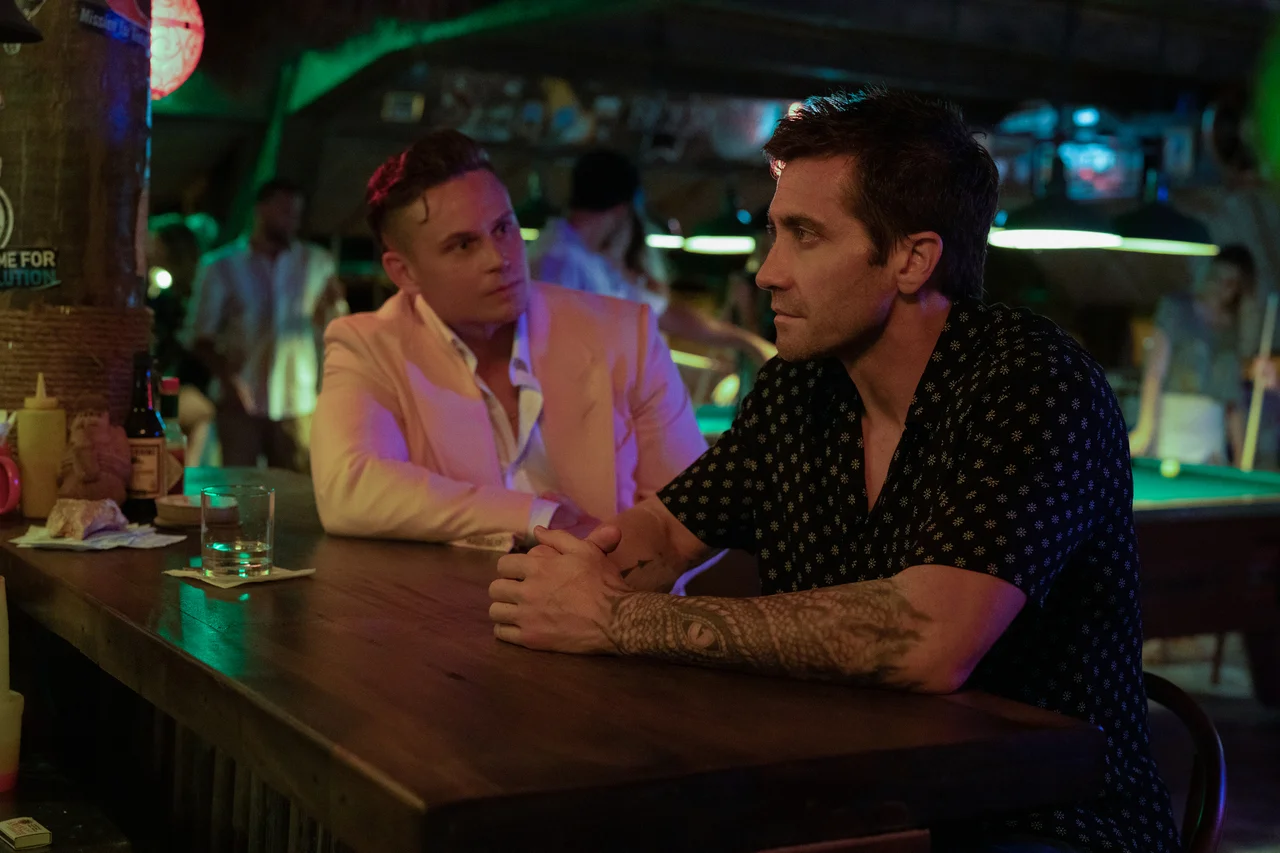

Amazon MGM Studios has moved forward with a sequel to the 2024 Road House remake, signaling that Dalton’s story is not finished. While many details remain limited, the project has progressed beyond early development, with filming activity indicating real momentum. The follow-up is intended for Prime Video, continuing the distribution model that proved successful for the first film.
Road House 2 Has Moved Beyond Announcement and Into Active Production
The sequel is no longer just a planned project. Reports indicate that Road House 2 has entered active production, meaning the studio has advanced past script development and pre-production stages into the physical process of filming. This shift typically involves finalized core casting, secured locations, and coordinated production schedules.
Active production status confirms that Amazon MGM Studios is committed to delivering the sequel rather than merely considering it. Projects sometimes remain in development for years without moving forward, but beginning filming signals substantial investment and confidence in the property. It also means that many behind-the-scenes decisions—budget approvals, creative direction, and distribution strategy—have already been resolved.
However, production does not guarantee a specific timeline for completion. Large-scale action films often require extended shooting schedules followed by lengthy post-production work, especially if significant stunt coordination or visual effects are involved. As a result, while the sequel is clearly underway, its final form and release timing remain subject to the usual uncertainties of filmmaking.
Jake Gyllenhaal’s Return as Dalton Anchors the Sequel’s Continuity
Jake Gyllenhaal is expected to reprise his role as Dalton, providing a direct link between the remake and its follow-up. His return suggests that the sequel will continue the same narrative thread rather than functioning as a standalone story with a new protagonist. Maintaining the lead actor also helps preserve audience recognition and continuity.
In franchise filmmaking, retaining the central performer is often a key factor in maintaining tone and identity. Gyllenhaal’s portrayal of Dalton was a defining element of the 2024 film, blending physical intensity with a quieter character presence. By bringing him back, the studio signals that the sequel will remain grounded in the same character framework rather than rebooting the concept again.
No additional casting announcements have been confirmed publicly beyond his involvement. Supporting characters, antagonists, and new additions to the cast may be revealed closer to or during production, but these details have not been fully disclosed at this stage.
A Shift in Directors Marks a New Phase for the Follow-Up
The sequel will be directed by Ilya Naishuller, replacing Doug Liman, who helmed the 2024 remake. Changes in directors between installments are common, but they often indicate a new creative phase for a franchise. Each filmmaker brings a distinct style, pacing, and approach to action storytelling.
Naishuller is known for dynamic and visually energetic projects, which may influence how the sequel is staged and presented. At the same time, continuity is usually maintained through producers, writers, and returning cast members. Without an official synopsis, it remains unclear how much the tone or narrative direction will shift compared to the previous film.
Director transitions can also affect production schedules, as the new creative lead may refine scripts, adjust visual concepts, or modify shooting plans. This process typically occurs before filming begins, so the fact that production has moved forward suggests that these adjustments are largely settled.
The Streaming Success of the 2024 Film That Made a Sequel Viable
The decision to produce a sequel appears closely tied to the performance of the 2024 remake on Prime Video. Streaming platforms evaluate success differently from theatrical releases, focusing on viewership numbers, subscriber engagement, and long-term retention value. The film reportedly drew a large audience, demonstrating that the property resonates with viewers in a streaming-first environment.
Strong performance reduces financial uncertainty and encourages studios to invest in continuation. For Amazon MGM Studios, building recognizable action franchises exclusively for Prime Video supports the platform’s competitive position in the streaming market. The remake’s reception effectively established Road House as a viable ongoing series of films rather than a one-off project.
Even so, streaming success metrics are not always publicly detailed, making it difficult to quantify exactly how the film performed compared to theatrical benchmarks. What is clear is that the studio considered the results strong enough to justify further development.
Prime Video Positioned as the Main Platform for the Next Installment
The sequel is expected to premiere on Prime Video, maintaining consistency with the distribution model of the 2024 film. This approach allows Amazon MGM Studios to deliver large-scale action content directly to subscribers without relying on traditional theatrical release patterns. It also ensures that audiences who watched the remake on the platform can easily access the continuation.
Streaming releases offer flexibility in scheduling, as studios are not tied to crowded cinema calendars. This can allow for launches timed around subscriber engagement strategies rather than box office competition. However, it also means that release announcements may come later in the production cycle, once the film is closer to completion.
There has been no indication that the sequel will receive a wide theatrical release before streaming. While limited theatrical screenings are sometimes used for promotional purposes, the primary destination appears to remain Prime Video.
When Road House 2 Is Likely to Arrive Now That Filming Is Underway
With production in progress, the sequel has entered the stage where a release window becomes easier to estimate, though no official date has been announced. Action films of this scale typically require several months of filming followed by post-production work that can extend for additional months due to editing, sound design, and visual effects.
Assuming a standard production timeline, a release within one to two years of filming is a common pattern for streaming projects of similar scope. However, this remains speculative until the studio confirms a schedule. Delays related to reshoots, post-production adjustments, or strategic release planning could shift the timeline.
Because Prime Video controls both production and distribution, the platform has flexibility in choosing when to debut the film. An official release announcement is likely to occur once filming is complete and post-production is well underway. Until then, the sequel’s arrival remains anticipated but not formally scheduled.
