
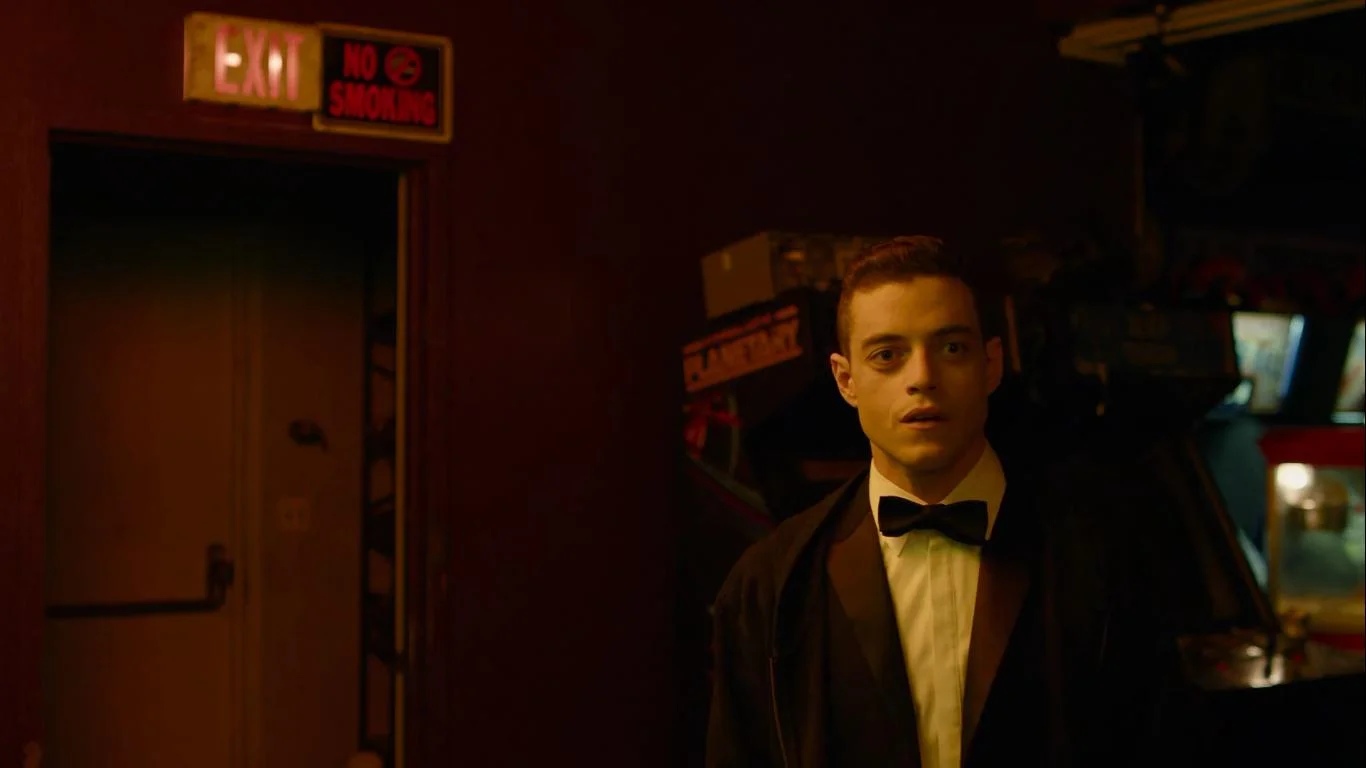

Choosing whether to start Mr. Robot often depends on what kind of television experience someone is looking for. The series centers on Elliot Alderson, a cybersecurity engineer who secretly works as a hacker and becomes involved in a plan to disrupt powerful corporations. From the first episode, the story mixes cybercrime, psychological tension, and a slow-building mystery that unfolds over several seasons.
The kind of tense, mind-bending experience Mr. Robot creates from the very first episode
Mr. Robot establishes its tone quickly. The series opens with Elliot Alderson, a brilliant but troubled cybersecurity specialist who spends his days protecting companies from hackers while secretly infiltrating the lives of people he believes deserve punishment. He works for a cybersecurity firm called Allsafe but also participates in illegal hacking activities that expose corruption.
The show builds tension not through action scenes but through Elliot’s internal struggle and the hidden motives of the people around him. Early episodes introduce Mr. Robot, a mysterious figure who recruits Elliot into a hacking group called fsociety. Their goal is to erase consumer debt by attacking the global financial system.
From the start, the series plays with perception and uncertainty. Elliot narrates parts of the story directly, often questioning his own thoughts and memory. The result is a viewing experience that feels unstable and unpredictable. Rather than presenting events in a straightforward way, the show slowly reveals information and forces viewers to piece together what is actually happening.
The hacker-driven storyline and psychological mystery that keep the series engaging
The central story revolves around fsociety’s plan to bring down major corporations, particularly a powerful conglomerate known as E Corp. Elliot becomes one of the key members of the group, using his hacking skills to infiltrate systems and coordinate attacks on corporate infrastructure.
At the same time, the show develops a deeper mystery surrounding Elliot himself. His mental health, past trauma, and fragmented memories gradually become part of the narrative. The series repeatedly asks whether Elliot fully understands his own actions or whether other forces are influencing him.
Across four seasons, the story expands beyond a simple cybercrime plot. New characters appear who represent government agencies, corporate leaders, and rival hacker groups. Each season adds layers to the conflict between individuals trying to expose corruption and institutions determined to maintain control.
Because the show blends technological intrigue with personal psychological drama, it remains engaging even when the plot slows down. The hacking operations create suspense, while Elliot’s internal struggles give the story emotional depth.
Rami Malek’s performance and the characters that shape Elliot’s unsettling world
The success of Mr. Robot depends heavily on its central performance. Rami Malek portrays Elliot as socially withdrawn, highly intelligent, and constantly overwhelmed by anxiety and paranoia. His quiet delivery and intense expressions make the character feel isolated even when surrounded by others.
Elliot’s relationships with other characters help define the story. Mr. Robot, played by Christian Slater, becomes both a mentor and a destabilizing influence. Their conversations often blur the line between collaboration and manipulation.
Other characters provide different perspectives on Elliot’s world. Darlene, Elliot’s sister, plays an important role in the fsociety operation and brings a more aggressive approach to their mission. Angela Moss, Elliot’s childhood friend, becomes involved with the corporate world they are trying to disrupt, creating personal tension between loyalty and ambition.
As the series progresses, these characters evolve in unexpected ways. Alliances shift, motivations change, and several storylines reveal hidden connections that were not obvious at the beginning. The character-driven nature of the show helps maintain interest even during slower stretches of the plot.
The atmosphere, cinematography, and storytelling style that make the show stand out
One of the most distinctive features of Mr. Robot is its visual style. The series often frames characters in unusual positions within the shot, leaving large empty spaces around them. This technique reinforces Elliot’s sense of isolation and discomfort in the world around him.
The cinematography also supports the show’s suspenseful tone. Dim lighting, quiet urban settings, and long pauses in dialogue create an atmosphere that feels tense even during calm scenes. Many moments rely on silence and subtle facial expressions rather than dramatic action.
The storytelling structure follows a similar approach. Episodes frequently reveal information slowly, sometimes revisiting earlier events from a different perspective. Major plot twists are not introduced for shock value alone but to reframe what the audience thought they understood.
Because of this deliberate style, the series stands apart from typical cybercrime dramas. It prioritizes mood, character psychology, and gradual discovery over fast pacing or constant spectacle.
Moments where the pacing slows and the narrative becomes intentionally confusing
The same storytelling choices that make Mr. Robot unique can also make parts of it difficult to follow. Certain episodes focus heavily on Elliot’s mental state or present events in fragmented ways. Scenes may appear disconnected until later episodes reveal their significance.
This approach means the narrative does not always progress in a straight line. Some storylines pause for extended character exploration, while others unfold through subtle clues that only become clear later in the season.
Viewers who expect clear explanations in every episode may find these sections frustrating. The show deliberately withholds information and occasionally revisits earlier events with new context. This method can feel confusing in the moment, especially during the middle seasons when the story expands to include multiple conspiracies and organizations.
Patience becomes important. Many of the seemingly confusing elements eventually lead to major revelations, but the show requires viewers to accept uncertainty for long stretches.
Why the show’s darker tone and complex structure can test some viewers’ patience
The tone of Mr. Robot remains serious throughout its run. Themes such as corporate exploitation, identity struggles, and personal trauma appear frequently. The story rarely shifts into lighter or comedic territory.
This darker tone contributes to the show’s realism but may also feel emotionally heavy over time. Elliot’s perspective often reflects anxiety and distrust, which shapes how every event is presented.
The complexity of the plot can also become demanding. Later seasons involve multiple organizations, secret agendas, and technological operations that intersect in complicated ways. Keeping track of these developments requires attention across many episodes.
For viewers looking for a straightforward thriller, the structure might feel too dense. The series expects its audience to stay engaged with both the emotional and technical aspects of the story.
The type of viewer most likely to connect with Mr. Robot’s storytelling approach
The series works best for viewers who enjoy long-form storytelling that develops gradually over several seasons. Those interested in cybersecurity themes, corporate power struggles, and psychological character studies often find the narrative particularly compelling.
People who appreciate unconventional storytelling styles may also connect with the show. The shifting perspective, unreliable narration, and layered plot twists reward viewers who enjoy analyzing details and revisiting earlier scenes.
At the same time, the show demands consistent attention. Watching episodes casually or skipping parts can make the story harder to follow. The narrative becomes clearer as the seasons progress, but that clarity depends on remembering earlier events and character motivations.
Viewers who enjoy slower, character-driven dramas with complex structures are the ones most likely to appreciate the series.
Why Mr. Robot can feel like a rewarding watch if you enjoy layered and unpredictable series
Across its four seasons, Mr. Robot gradually builds toward a carefully constructed conclusion. The series returns repeatedly to questions about identity, control, and the consequences of trying to change large systems.
What makes the experience rewarding is how the pieces eventually connect. Early mysteries about Elliot’s past, the nature of his relationship with Mr. Robot, and the goals of fsociety gain new meaning as the story unfolds. Events that seemed mysterious or confusing earlier often become clearer in later episodes.
The show also maintains a strong sense of direction. Each season pushes the story toward a deeper understanding of Elliot’s actions and motivations. Instead of resetting conflicts each year, the narrative builds toward a final resolution that ties together many earlier elements.
Because of that long-term storytelling, Mr. Robot offers a satisfying experience for viewers willing to stay with it through its more complex sections. The series combines psychological drama, technological intrigue, and character-driven storytelling in a way that remains consistent from beginning to end. For viewers who enjoy layered and unpredictable series, Mr. Robot is worth watching.
What to try next if the cyber-thriller style of Mr. Robot interests you
- Black Mirror — A series of standalone stories exploring technology, society, and the psychological impact of digital systems.
- Devs — A slow-burning tech thriller about a secretive Silicon Valley company and a programmer investigating a hidden project.
- Mindhunter — A character-driven crime drama that focuses on psychological investigation and methodical storytelling.
- Severance — A corporate mystery series that blends psychological tension with questions about identity and control.
- Westworld — A science-fiction drama that uses layered storytelling and shifting perspectives to explore consciousness and power.
